Harnessing HR Psychology: Unlocking Human Potential in Your Business

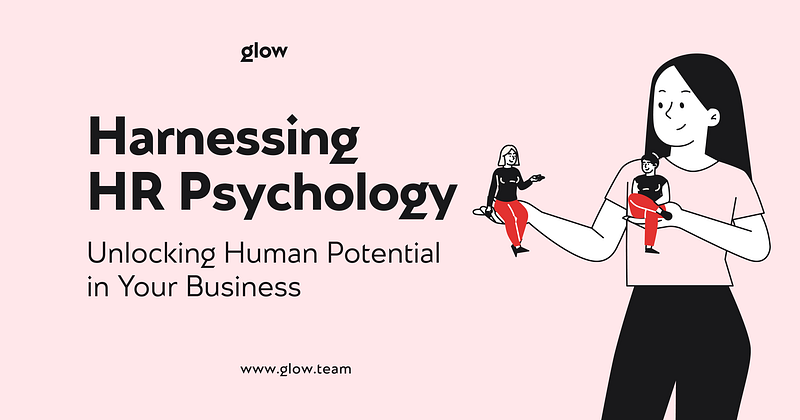

What organizational psychology actually offers a small company: structured hiring, feedback that works, and the three practices that carry most of the value.
Most advice about hiring and keeping people is folklore repeated confidently. Organizational psychology is the part of it that has been tested, and for a company whose product is made by a small number of specialists, the difference between the two is expensive.
This is what the field actually offers a business under a hundred people, and where it stops being worth the effort.
Quick Summary (Key Takeaways)
- Structured interviews beat unstructured ones. Same questions, same order, scored independently. It is the single best-evidenced hiring change available.
- Work samples predict better than conversation. A paid task resembling the job tells you more than an hour of rapport.
- Autonomy, mastery and purpose outperform bonuses for work that requires judgement, which is most work in a design or product team.
- Feedback works when it is frequent and specific. Annual reviews are a compliance artefact, not a performance tool.
- Culture is what gets tolerated. Not what is written down. People read behavior, especially of whoever is most senior in the room.
- Small teams get most of the benefit from three practices. Structured hiring, regular one-to-ones, honest exit conversations.
What HR Psychology Is
Organizational psychology applies research about human behavior to how work is organized: how people are selected, trained, motivated, evaluated and retained. It is not personality tests and it is not team-building days, both of which have a much weaker evidential record than their popularity suggests.
What it offers is unglamorous: a set of practices that measurably reduce hiring mistakes and turnover, most of which cost nothing but discipline.
Is It Worth It for a Small Business?
The value scales with how expensive your mistakes are, not with headcount. In a twenty-person product company one bad senior hire can cost a quarter of a year's output, and one good person leaving takes context nobody wrote down.
That is the honest case: not that people are your greatest asset, but that in a specialist team the replacement cost of a person is unusually high and unusually invisible.
Selection: Hire on Evidence, Not Chemistry
Unstructured interviews are among the weakest predictors of performance in the research literature, and among the most trusted by the people conducting them. That combination is the problem.
- Ask every candidate the same questions in the same order. Comparison is impossible otherwise, and you end up comparing impressions.
- Score independently before discussing. The first opinion spoken aloud in a debrief anchors everybody else's.
- Use a paid work sample. A few hours on a realistic task, compensated, predicts far better than any conversation about past work.
- Define what good looks like before you meet anyone. Criteria invented after the fact describe the candidate you liked.
Training and Development
Formal training transfers poorly unless it attaches to actual work within days. What holds is deliberate practice on real tasks with feedback attached, which in a design team usually means pairing, critique with a rubric, and reviews where the reasoning is discussed rather than the output approved.
The cheapest development intervention available to most teams is making senior people explain their decisions in front of junior ones.
Performance Management
Annual reviews fail for a structural reason: the feedback arrives months after the behavior, when it can neither be corrected nor connected to anything specific. What works is frequent, specific and separated from pay conversations, which otherwise dominate everything else said in the room.
A weekly or fortnightly one-to-one that is genuinely about the work, and not a status update, does more than any review cycle.
Motivation and Engagement
For routine, measurable work, financial incentives work about as well as intuition suggests. For work requiring judgement and creativity - product, design, engineering - the evidence points elsewhere: autonomy over how the work is done, visible progress toward mastery, and a clear line from the task to something that matters.
This is why removing an obstacle usually raises output more than adding a bonus, and why micromanaging a senior designer is expensive twice over.
Organizational Culture
Culture is the set of behaviors that are actually rewarded and tolerated, which is often not the set written on the wall. People infer it from what happens after somebody misses a deadline, disagrees with a founder, or ships something imperfect.
Which means culture is changed by changing consequences, not by publishing values.
Frequently Asked Questions
Do we need an HR person for this?
No. Three practices carry most of the value and can be run by a founder: structured interviews with scoring, regular one-to-ones, and an honest exit conversation every time someone leaves.
Are personality tests useful in hiring?
Far less than their popularity implies, and they are frequently used in ways their own authors warn against. A structured interview and a work sample outperform them.
What is the single highest-value change?
Structuring interviews. Same questions, same order, independent scores. It costs nothing and it removes the largest single source of hiring error.
How do we know if it is working?
Track first-year retention, time to productivity for new hires, and what people say when they leave. Three numbers, all cheap to collect and all ignored by most small companies.
Conclusion: Three Practices, Not a Programme
The useful part of organizational psychology for a small company fits on a page: hire on structured evidence, give feedback often and specifically, and pay attention to what your behavior teaches people about what is acceptable.
Everything beyond that is worth adding when the company is large enough that informal coordination stops working, and not before.

.svg)

Related Articles Prompted by Glow













Get weekly glow prompts—
insights from the frontline of product design
Check your inbox for future updates.

No spam.
Just sharp insights that make you better at design & AI.
Want results like this? Book a call
Let's talk through your product in 20 minutes — no briefs, no fluff. Just a real conversation.