We design for retention, not just acquisition
SaaS products live or die after sign-up. We design for activation, feature adoption and the daily habits that drive renewal.
Getting the signup is easy. Keeping the user is the hard part. As a SaaS design agency, we design onboarding, dashboards and core flows that drive activation, retention and upgrades.


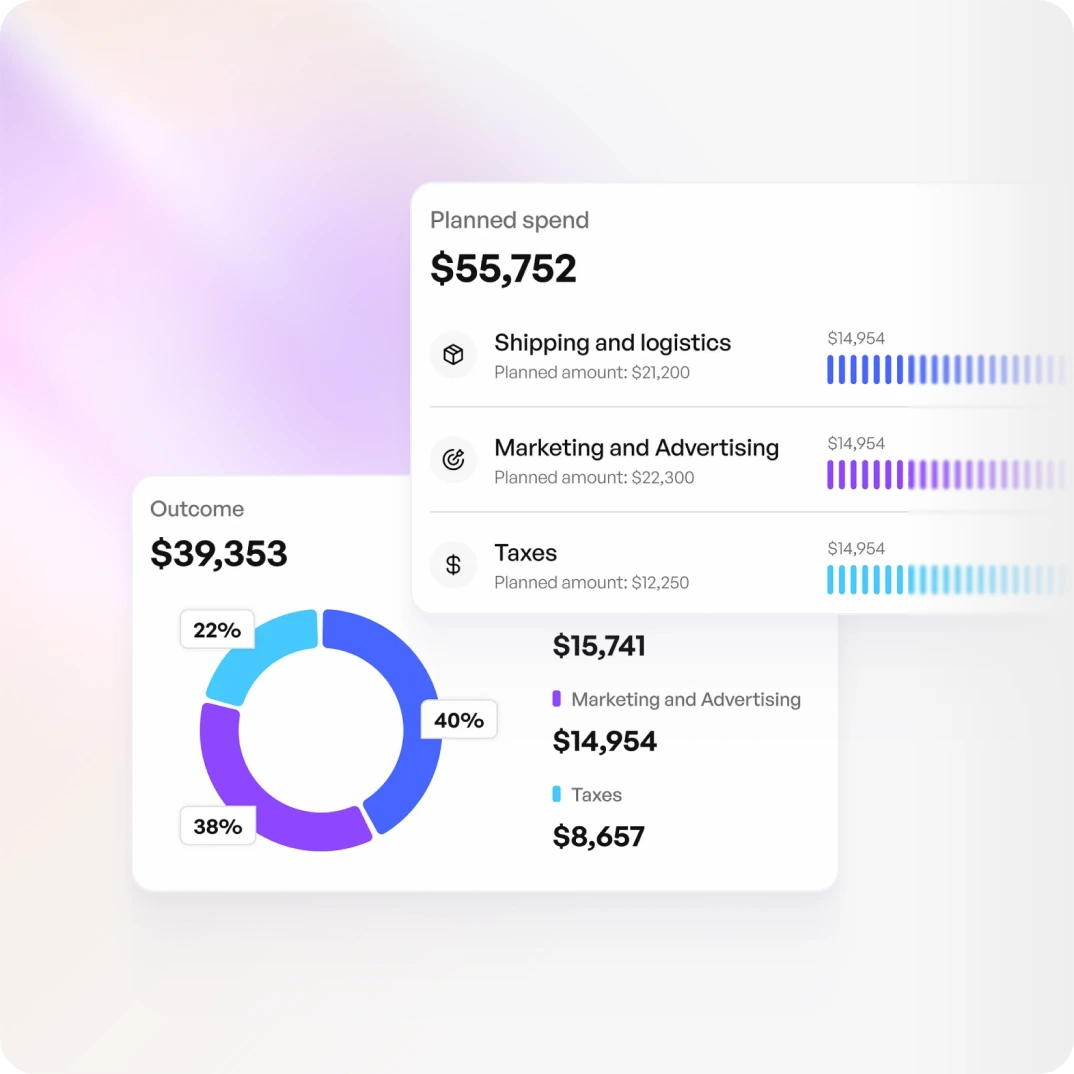
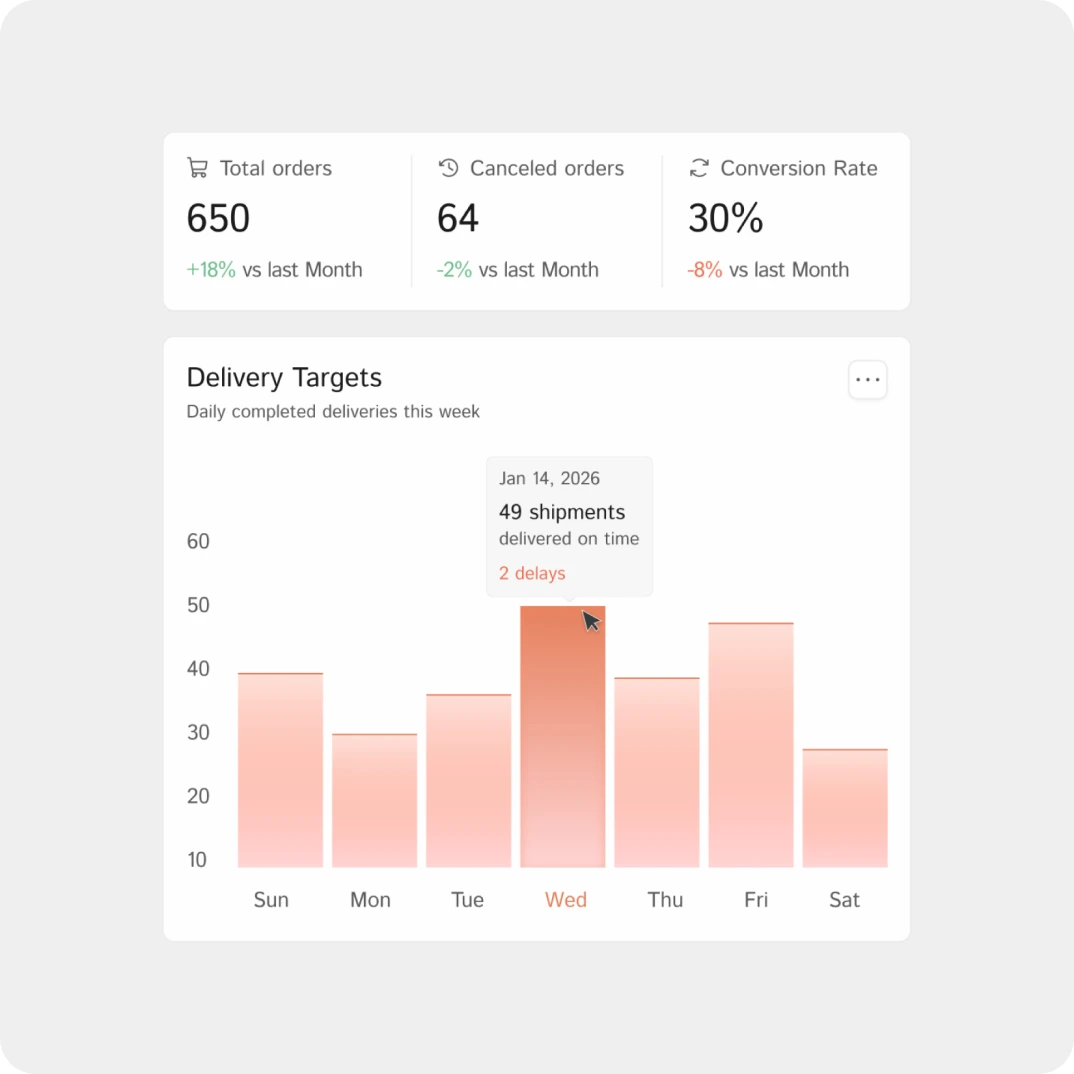
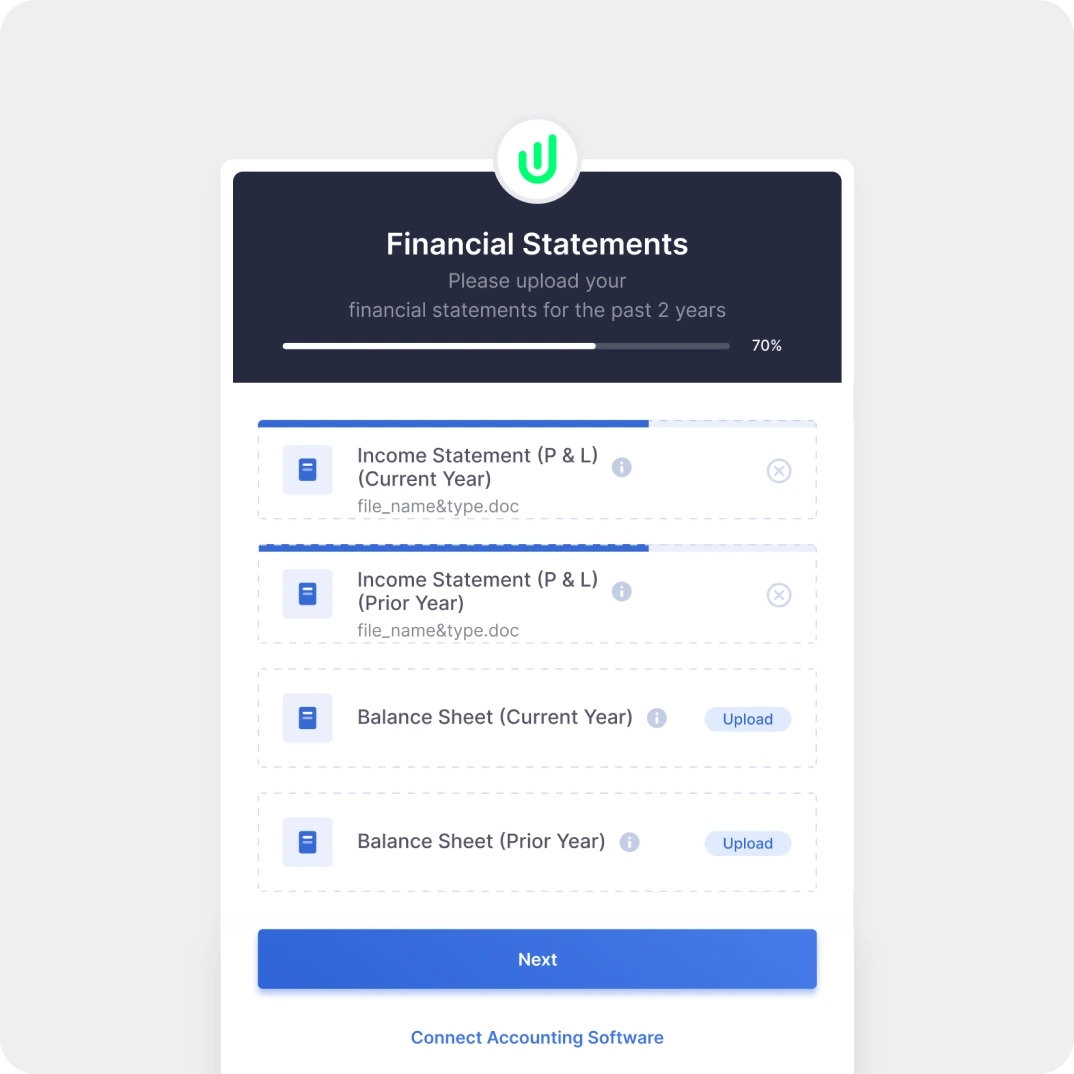
The product is the marketing. Users sign up for a promise, then stay or leave based on what the product is like to use.
Bad UX is a business cost. Poor SaaS UX drives churn your sales team has to outrun every month.
It shows up in the numbers. Support tickets clog the CS queue, and weak activation makes your CAC impossible to justify.
Design problems in SaaS don’t announce themselves. They show up as churn, low activation, heavy support volume and a sales cycle that leans too hard on demos.
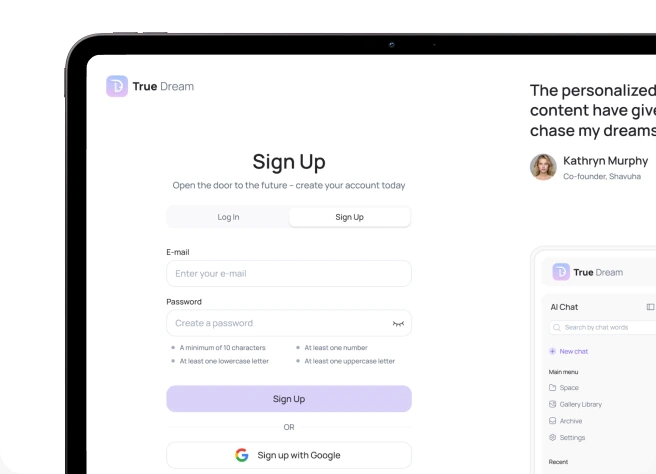
If onboarding doesn’t get people to a meaningful outcome in the first session, most never come back. Activation is a design problem before it’s a marketing one.
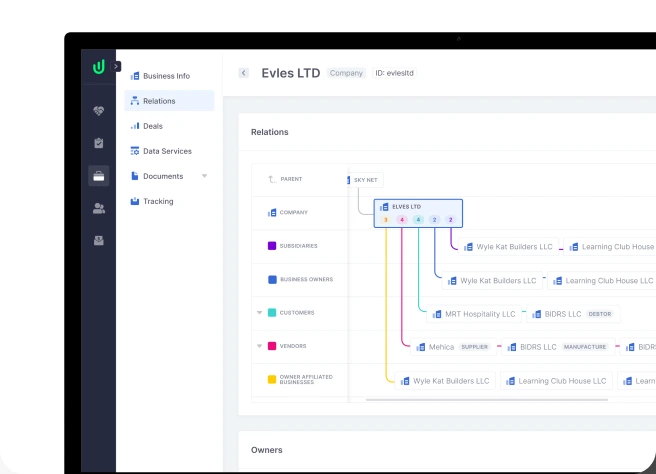
If users can’t find or understand new features, shipping more won’t help retention. Discovery UX, empty states and in-product guidance decide whether a feature gets used or just sits in the changelog.
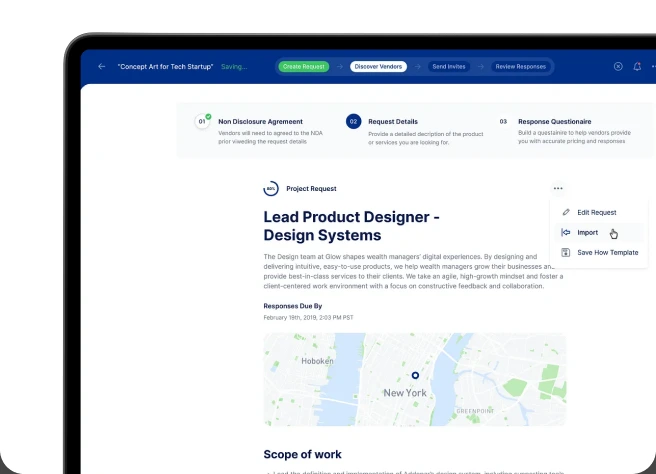
When a product needs explaining, every new user adds tickets. A self-explanatory product cuts support volume and CS headcount at the same time.
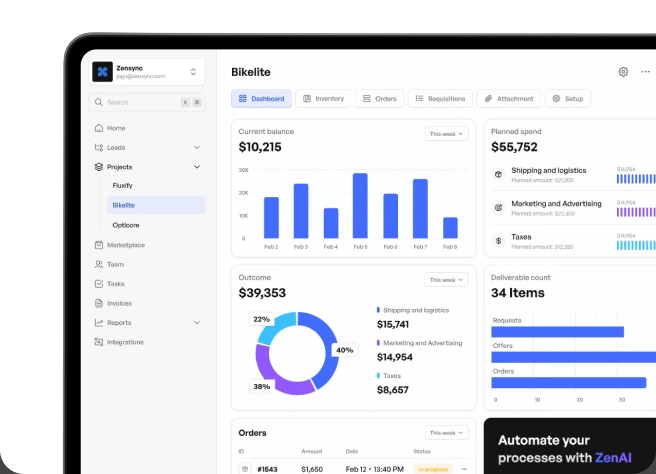
“It just wasn’t for us” usually means users never found the value that was there all along. That’s a UX failure, not a product-market fit problem.
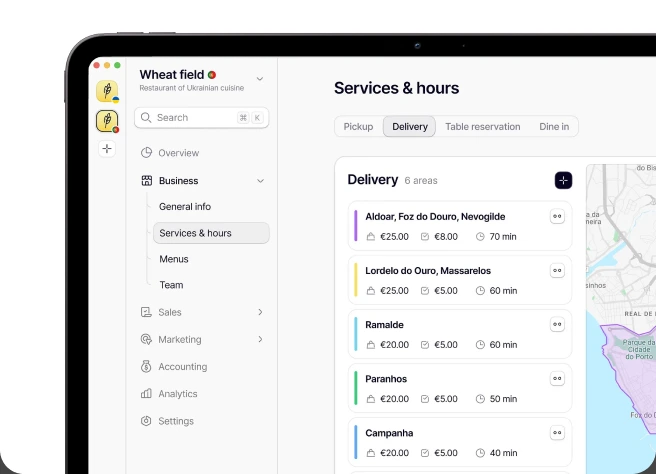
If every demo navigates around confusing parts of the product, you’re paying people to cover design debt. Better UX shortens the sales cycle.
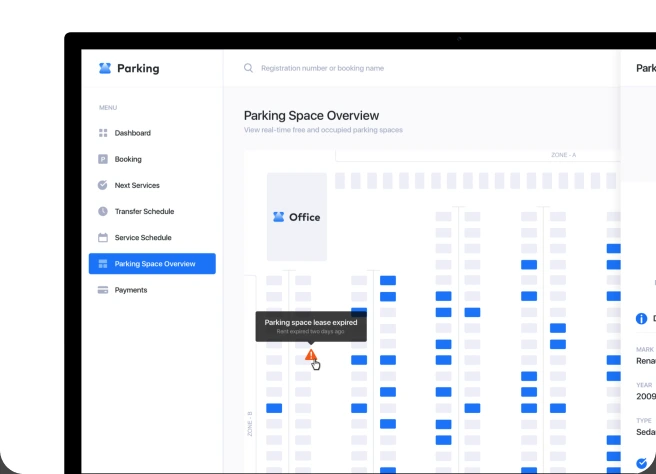
Without a design system, every screen reinvents the wheel and engineers make design decisions in every PR. The product drifts.
Every layer of your SaaS product, from sign-up to daily power-user workflows.
Onboarding is where most SaaS products win or lose users. We cut the time between account creation and the first real outcome by removing needless steps and guiding people to the moment that makes them stay. It’s our most-requested SaaS service, with the most measurable impact on activation.
SaaS dashboard design with clear hierarchy, role-based views and at-a-glance clarity: density for power users, simplicity for everyone else.
The flows people run 20 times a day need to be fast and forgiving. We design them for power users and newcomers alike, with every edge case, error and empty state covered.
A documented component library for every state, variant and interaction. Engineers stop making design calls in PRs, and the product stays consistent as it grows.
Session recordings, support tickets and activation funnels show what’s costing you users. You get a prioritized fix list, not a generic checklist, and for live products it’s often the highest-ROI first step. See our UX audit.
New feature UX, A/B variants, settings, error handling and empty states, consistent with your system and tested before engineering. Available as a project or a design retainer.
PLOTLINE · GET STARTED
Onboardingseven steps before anything usefultwo steps to the first chart
PLOTLINE · OVERVIEW
The dashboardtwelve numbers, all shoutingthe one number first
PLOTLINE · ⌘K
The flowsix clicks through menusone keystroke away
PLOTLINE DS · BUTTON
The componenttwo states, the rest guessed in codeevery state decided once
SUPPORT TICKETS · LAST 30 DAYS
The tickets140 one-off complaintsfour causes, ranked
PLOTLINE · CONNECT STRIPE
The error statea code nobody understandswhat happened and what to do
We work inside your product process, not next to it.
Analytics, session recordings, support tickets and existing research show where users struggle today. For new products, we run interviews and prototype tests.
Week 1Navigation is often the first thing to break as a SaaS product grows. We organize it by user goal and workflow, not by engineering module.
Weeks 2 to 3Every critical flow designed with all its states, including the edge cases that only appear with real data, then tested with real users before development.
Weeks 4 to 5We work in your tools: Jira, Linear, Notion. A weekly sync plus async review, like an embedded design team rather than an agency you hand a brief to.
Your timeA focused SaaS engagement, like onboarding or one core workflow, usually takes 4 to 6 weeks. A full SaaS redesign runs 10 to 16 weeks.
SaaS products live or die after sign-up. We design for activation, feature adoption and the daily habits that drive renewal.
Activation rate, time to value, feature adoption, DAU/MAU, NPS. We know which design decisions move which metric, and we track outcomes, not screens delivered.

Most B2B SaaS has at least three user types with different permissions and workflows. We serve all of them without a product that feels like three tools stitched together.

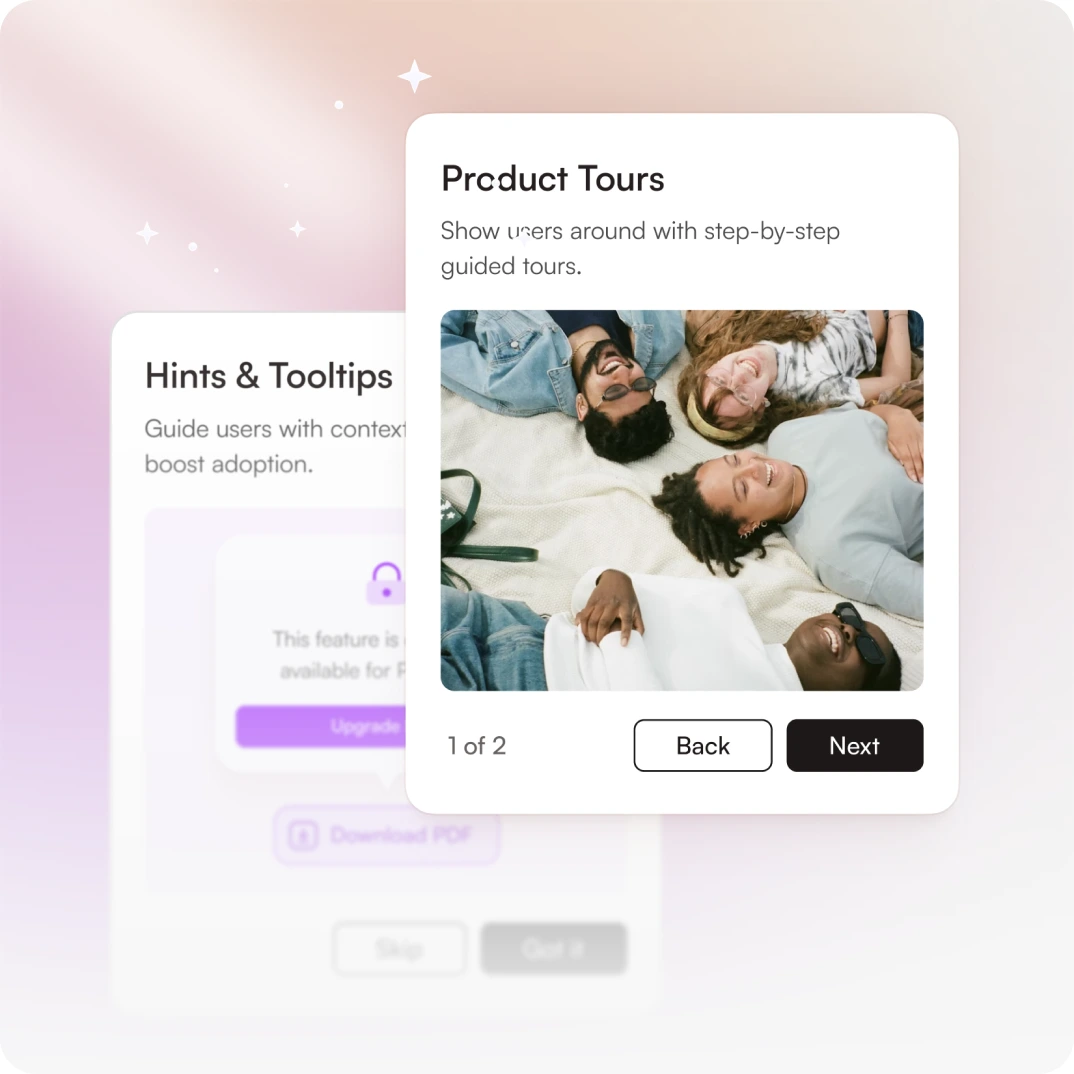
CRMs, project management tools, analytics platforms, developer tools, HR software and vertical SaaS, including the onboarding platform Product Fruits.
Every change rests on user research, behavioral data and a clear hypothesis about which metric it should move, not on taste.
Each engagement leaves a component library your team can extend with every new feature, so the product stays consistent as it grows.
We’ve redesigned enough SaaS onboarding flows to know where they break: too many steps before value, empty first screens and tours that explain features instead of getting a result.
Jira, Linear, Notion, whatever you use. We work like an embedded team with full context, not a separate shop waiting for a brief.
A Series A product needs a different design investment than an enterprise platform. We scope for where you are, not for the largest possible engagement.
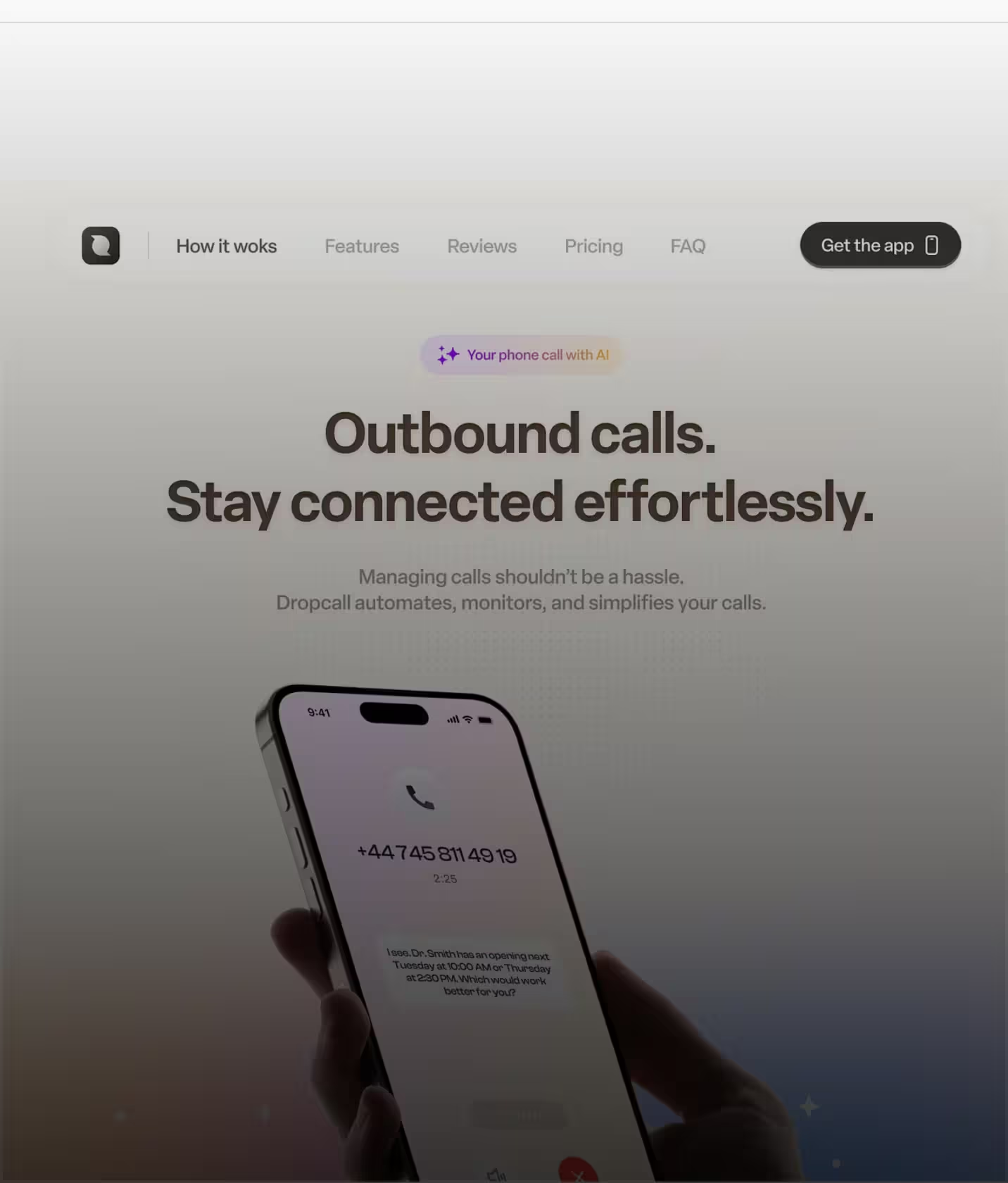


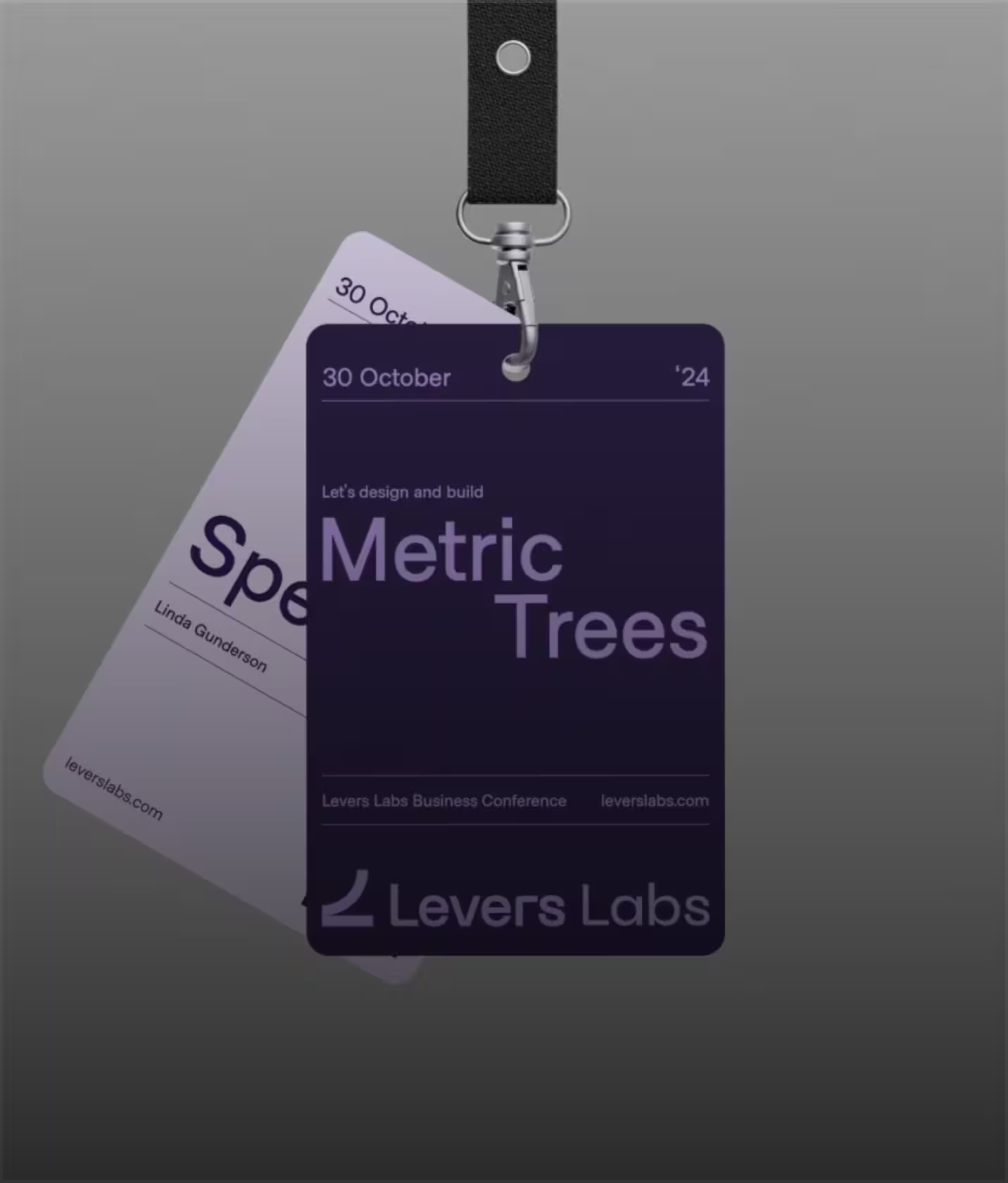


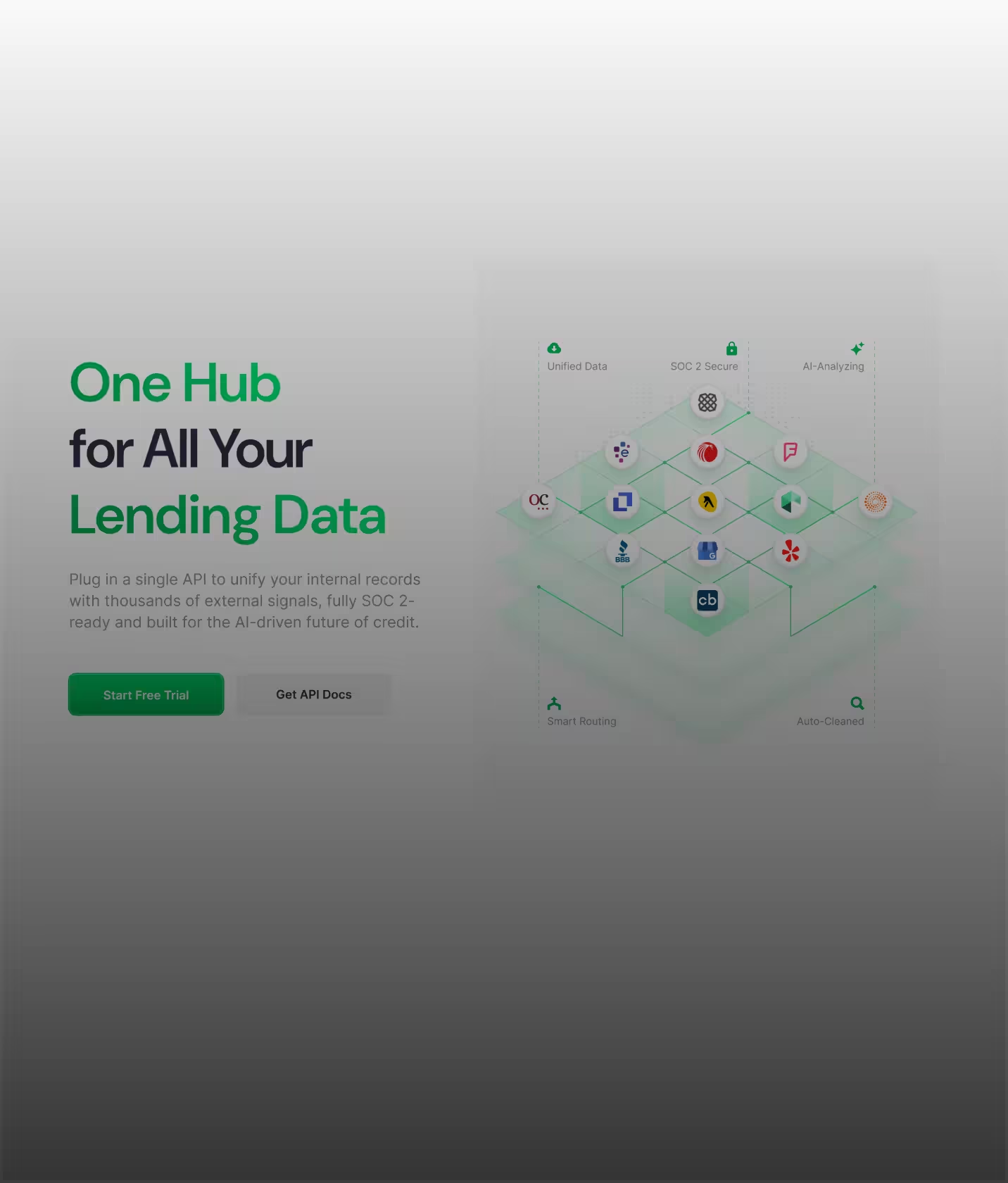


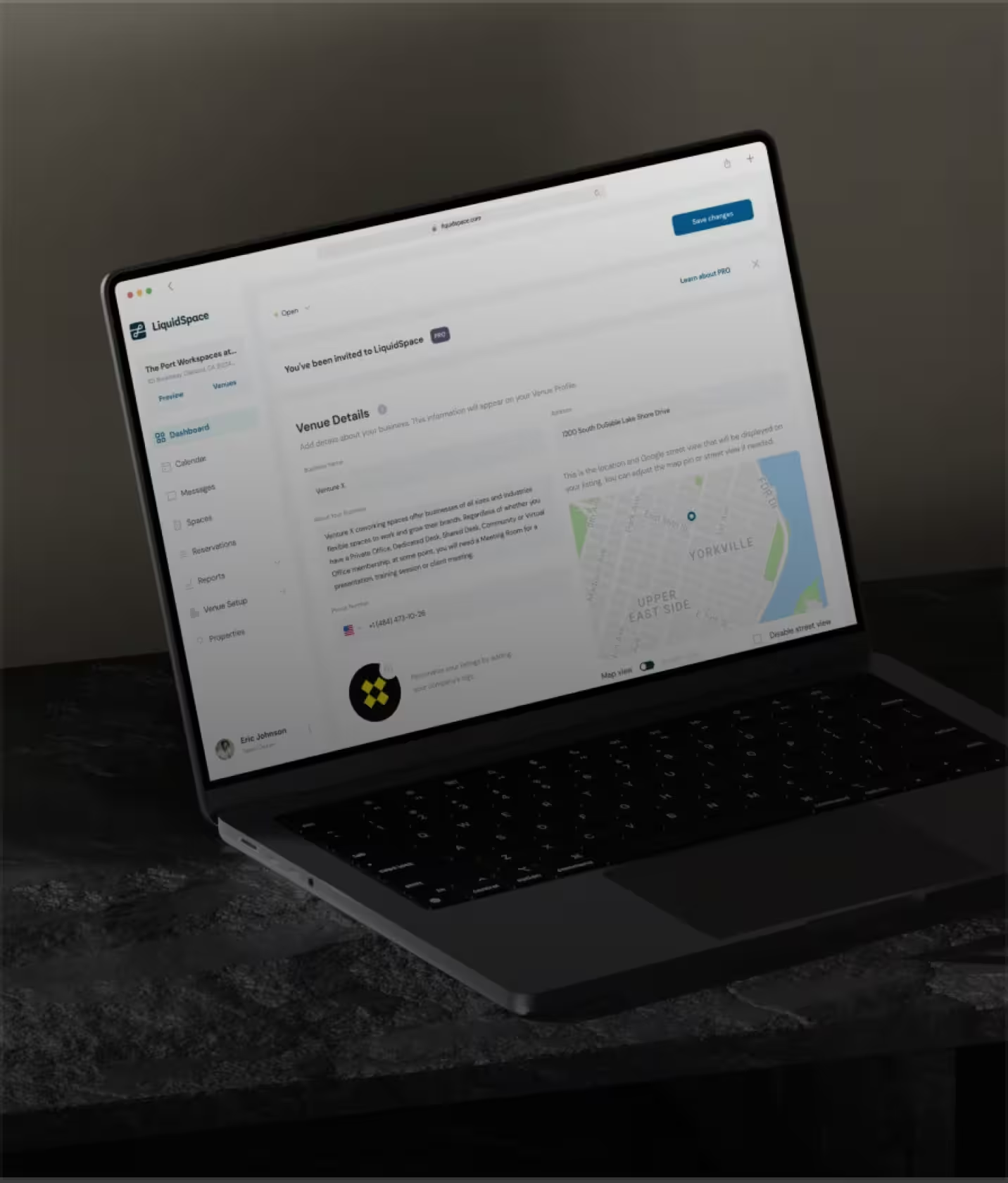


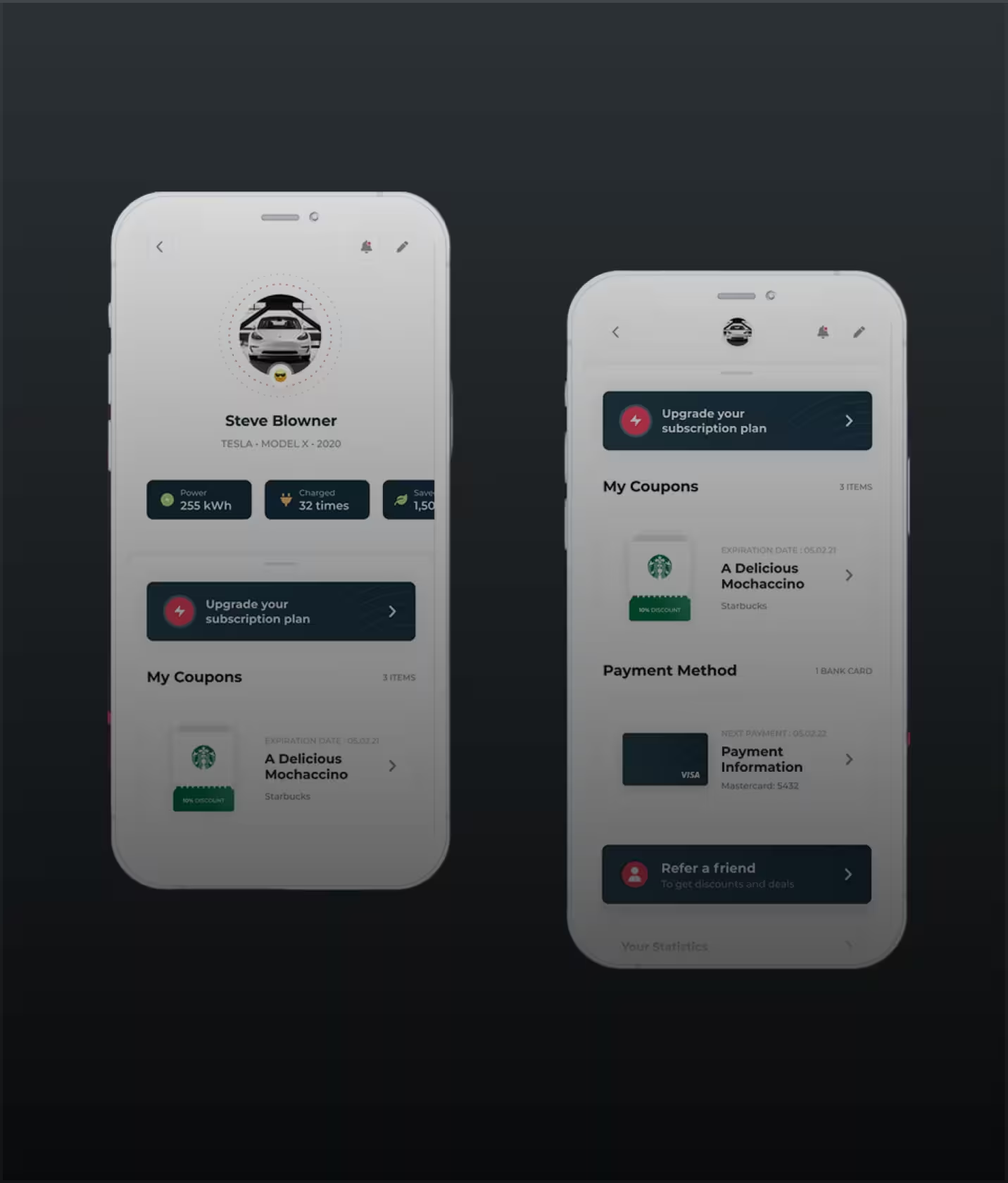


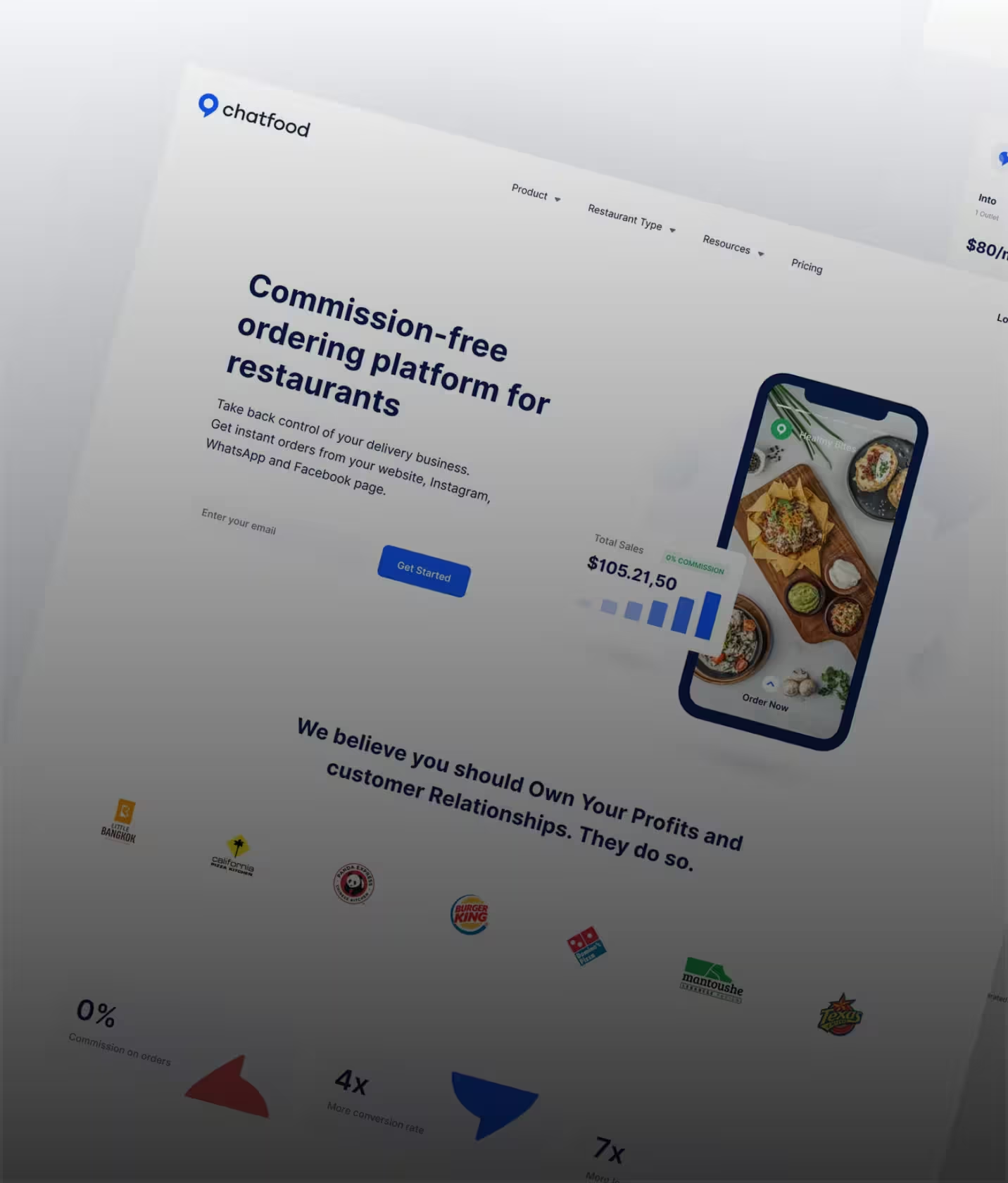

.jpeg)
From CRMs to developer tools, our SaaS product design covers the full range of B2B and B2C software.
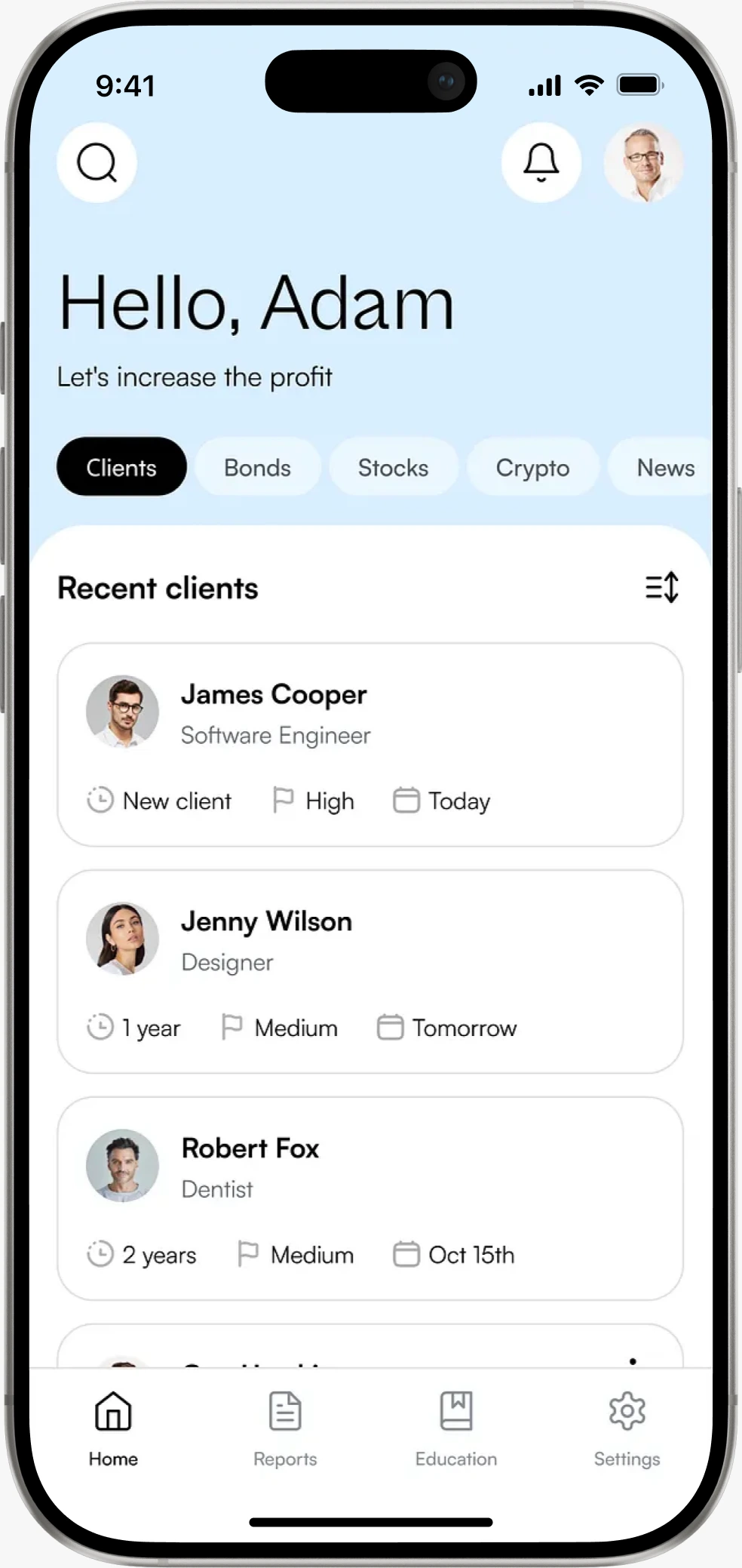
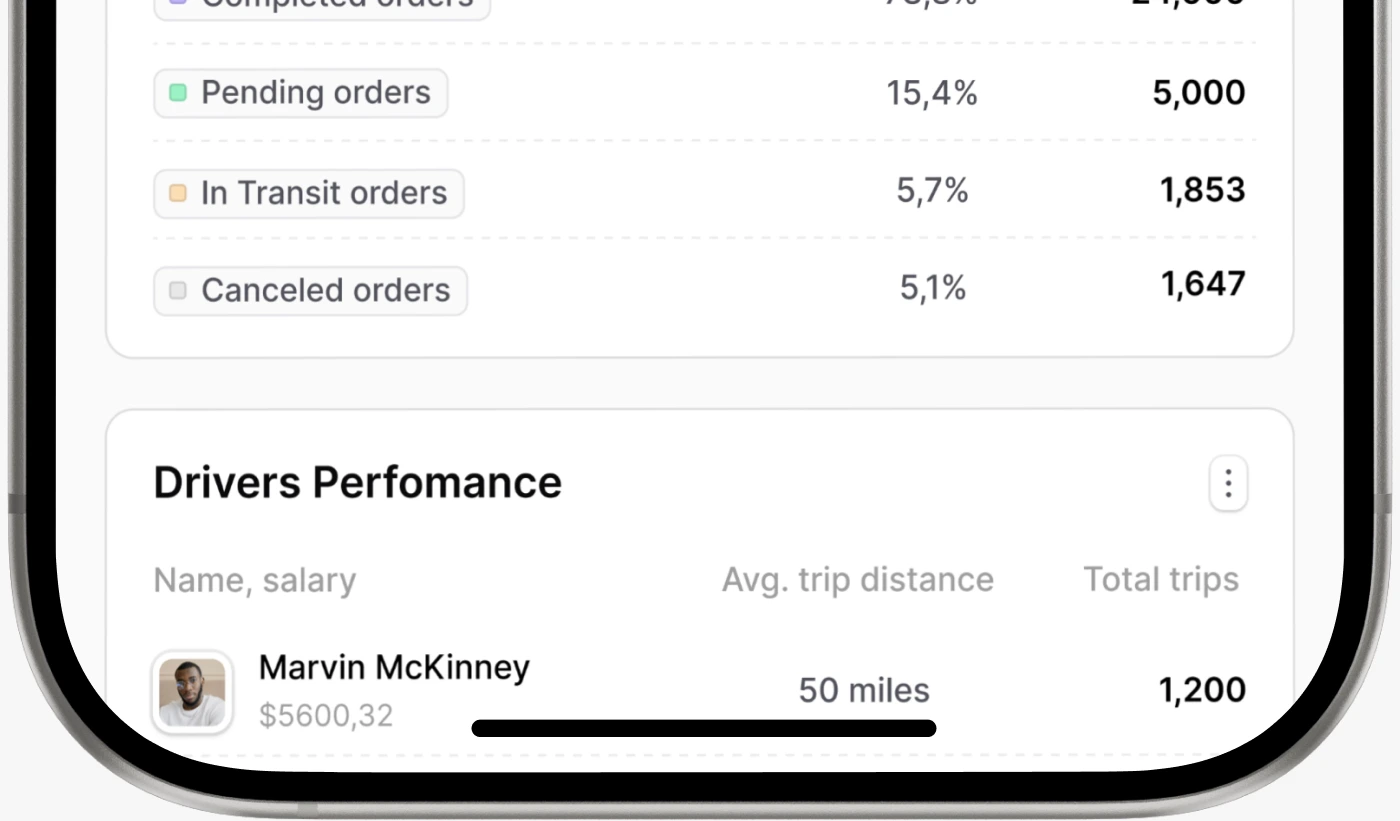
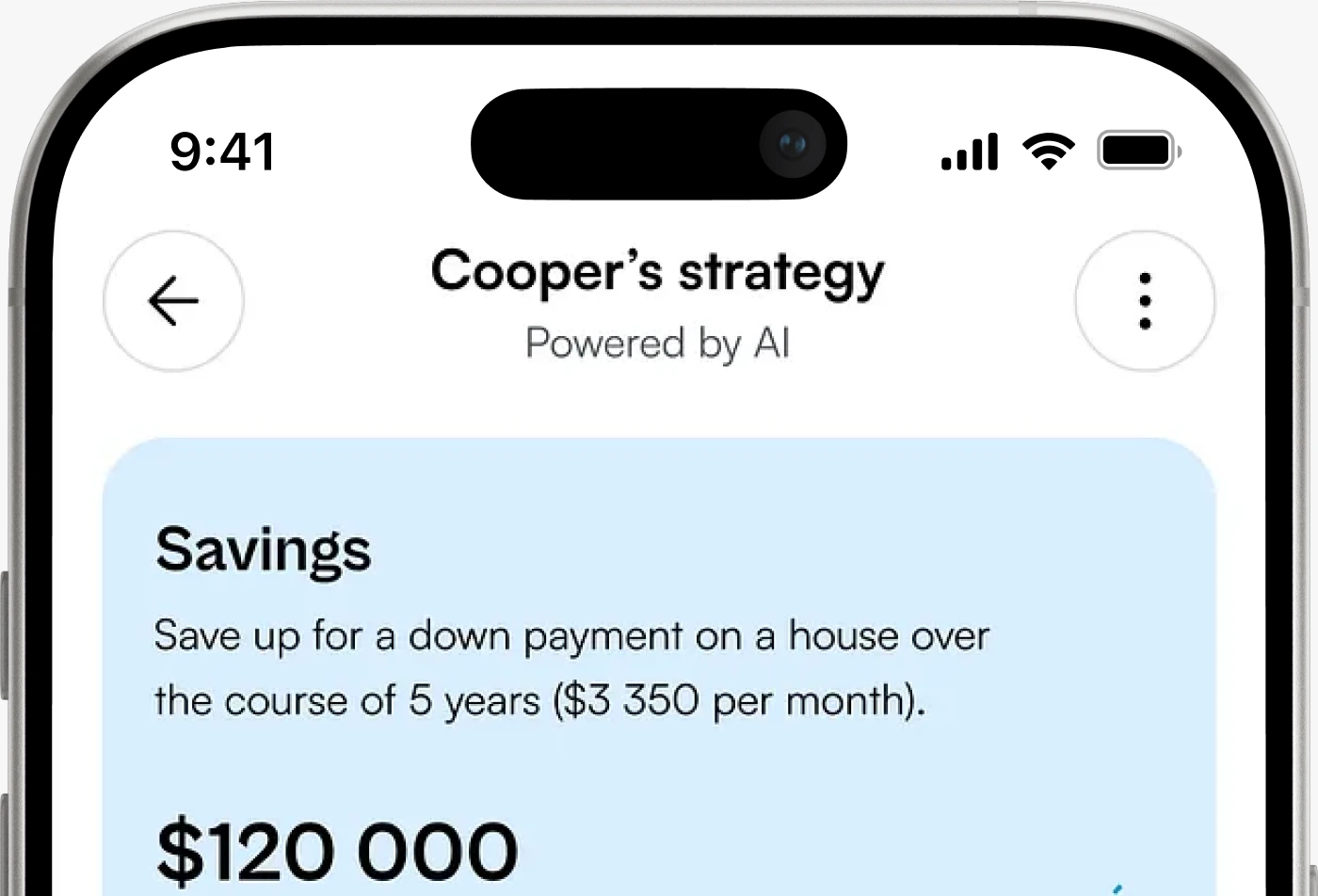
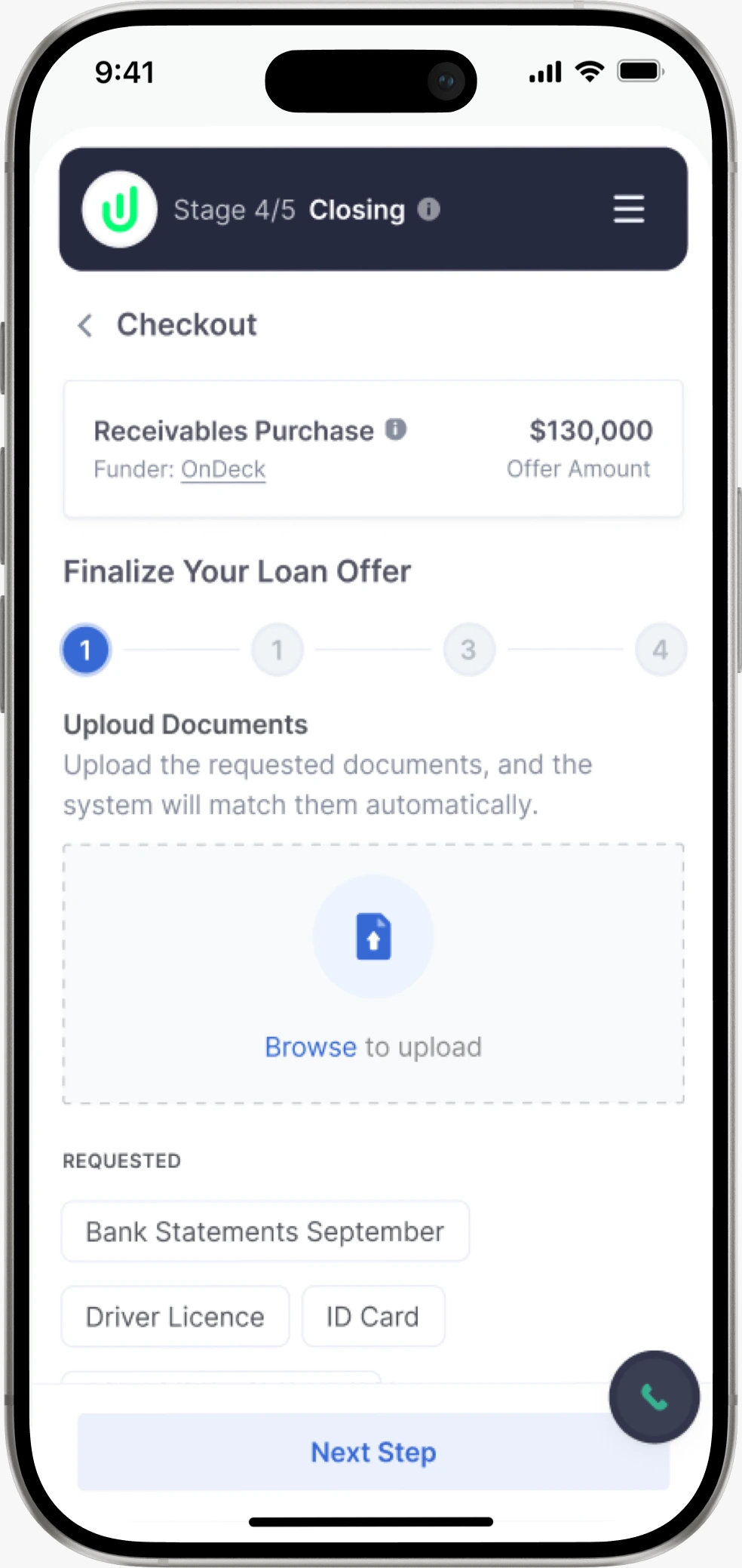
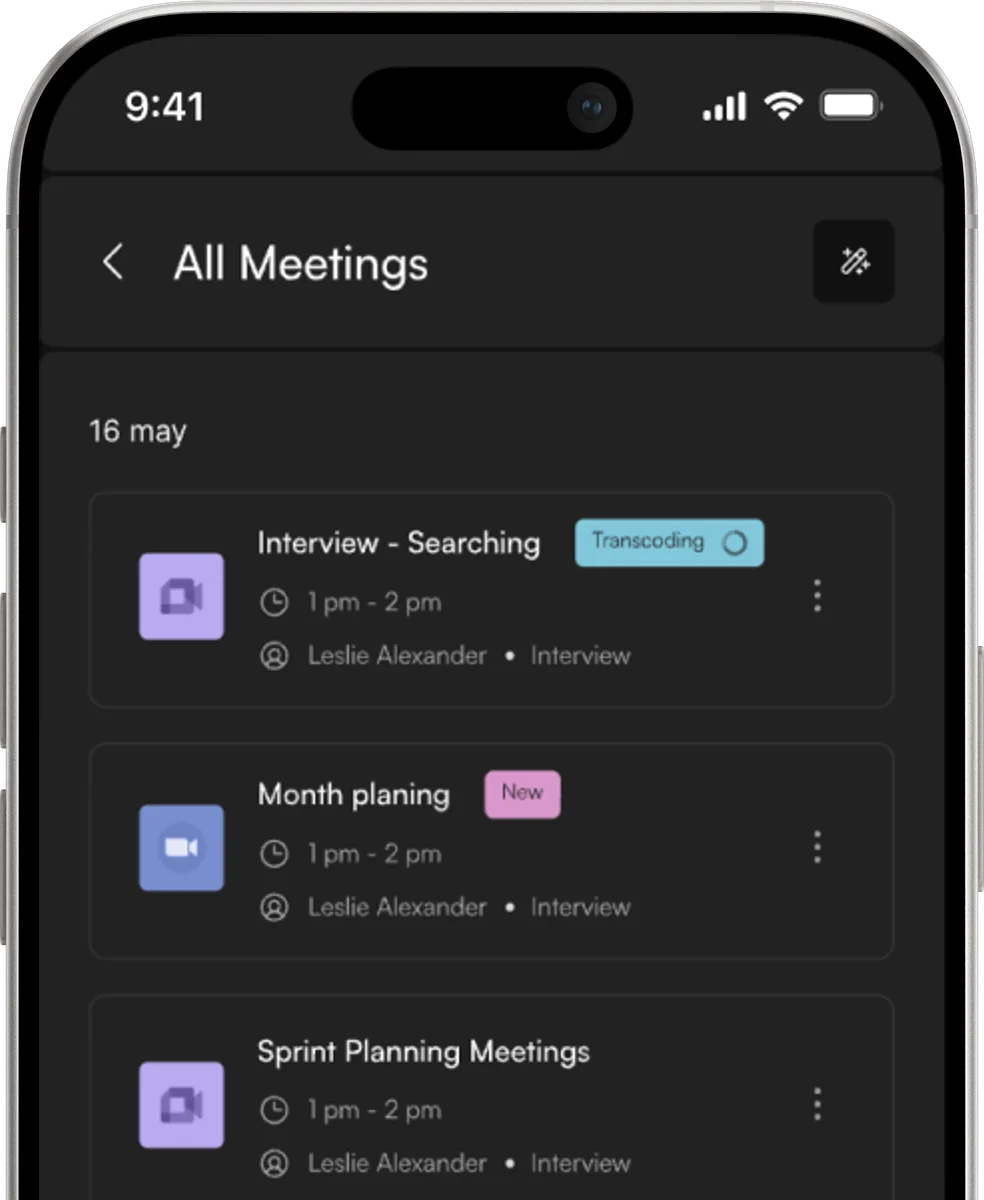
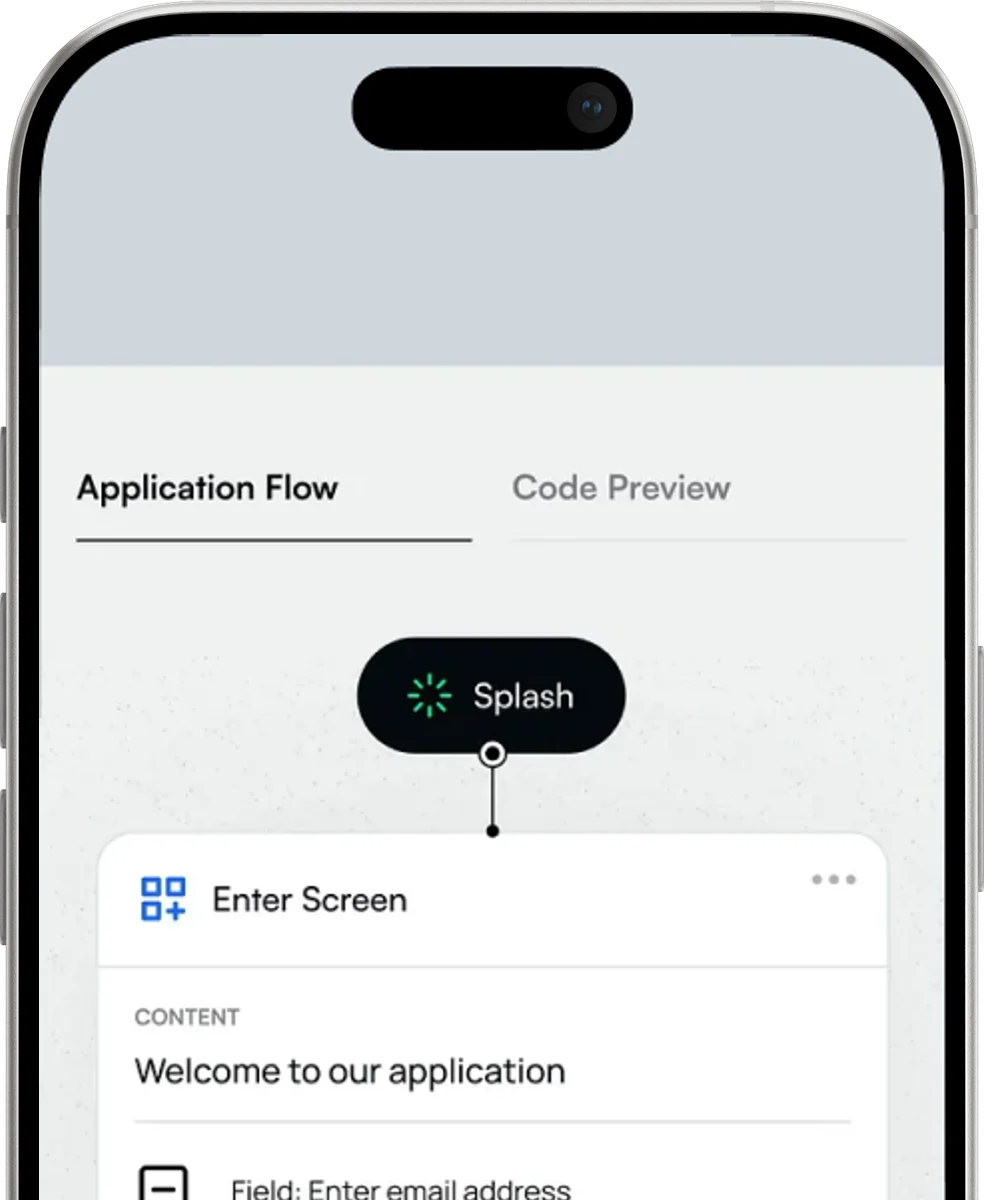
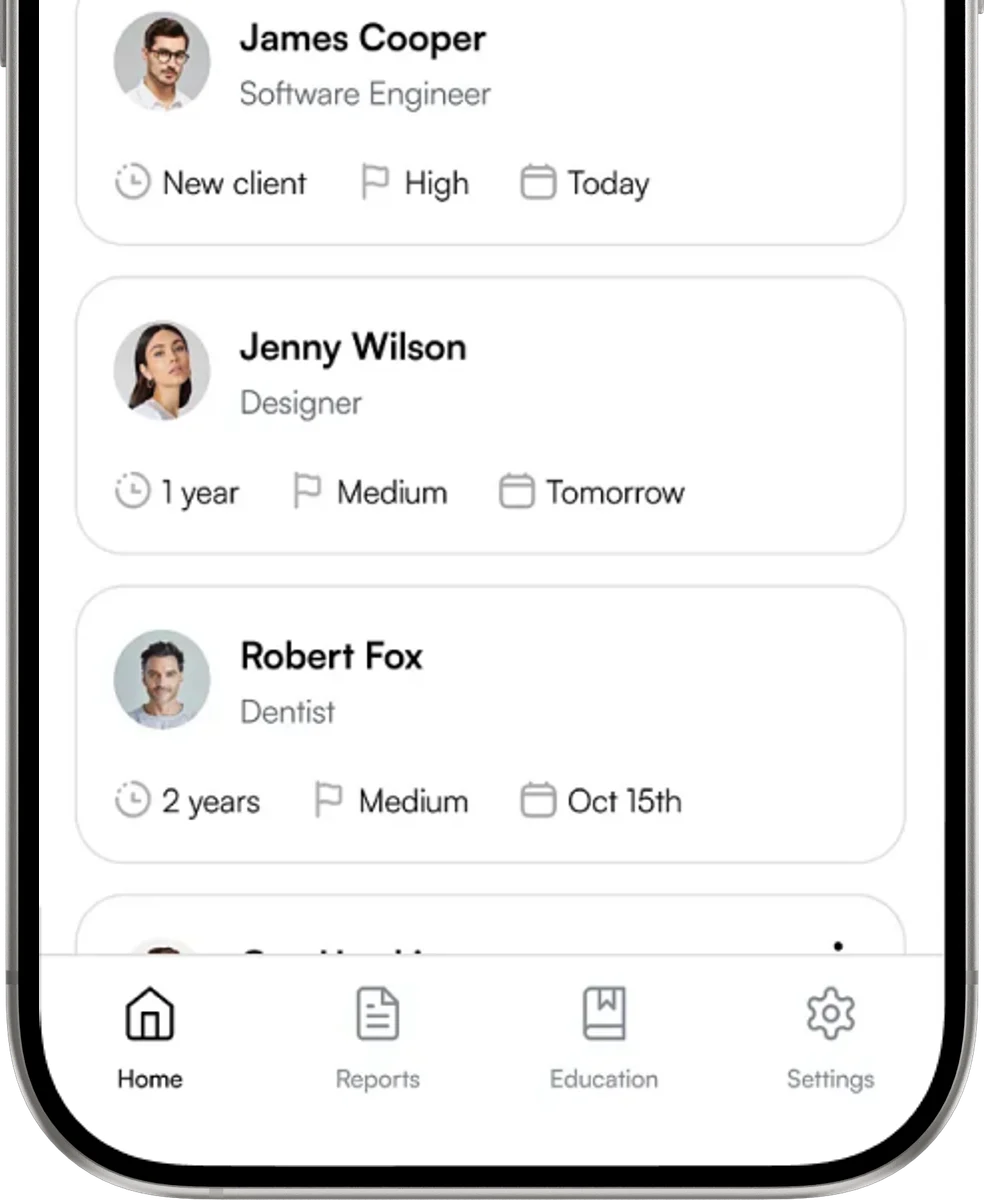
CRM platforms for the reps who live in them and the managers who need accurate pipeline data. More in sales and CRM UX design.
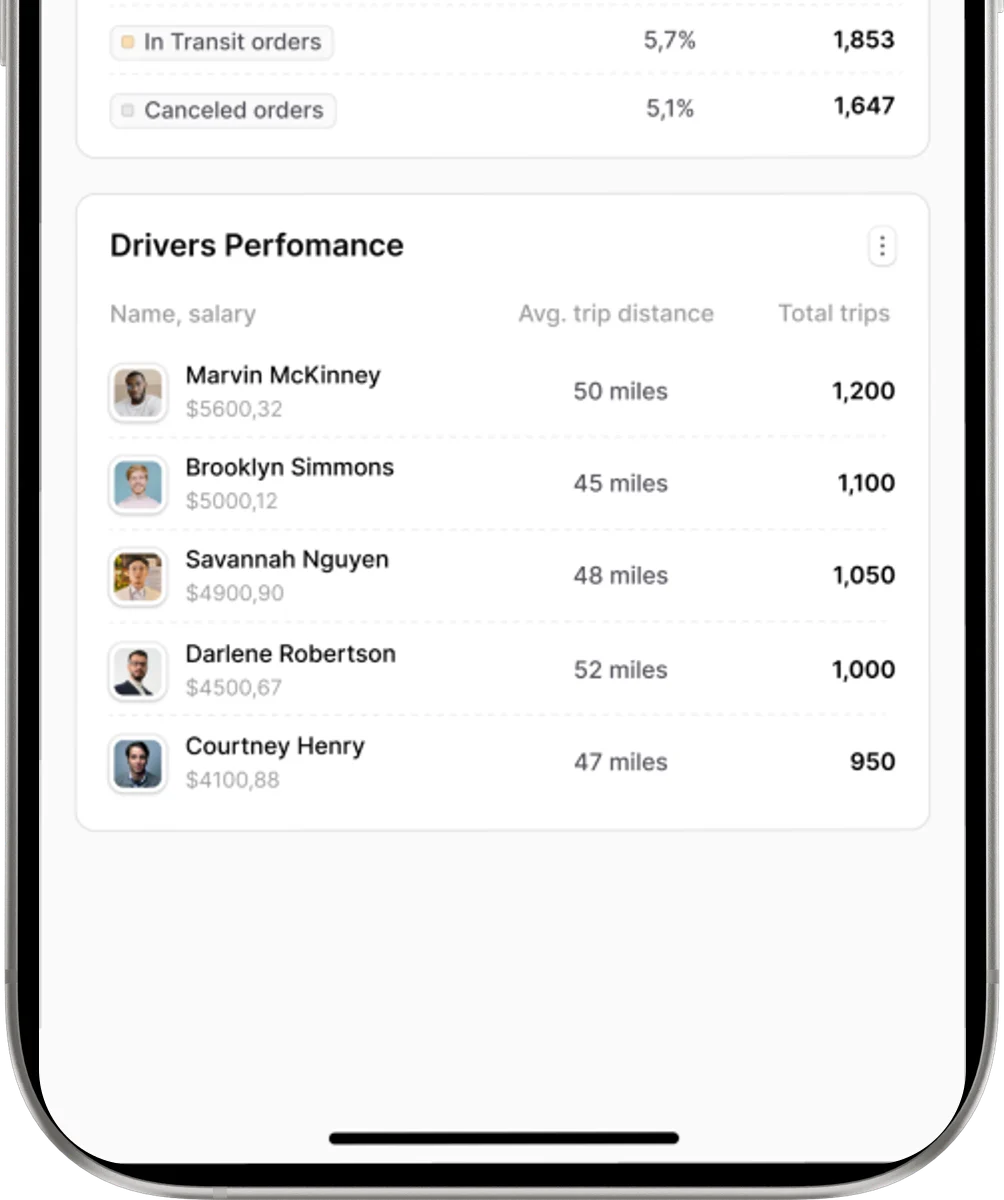
BI and product analytics tools that make complex data usable for non-analysts without dumbing it down for analysts.
Task and collaboration platforms designed to cut coordination overhead, not add to it.
Operational SaaS web app design where data accuracy and workflow speed are the product. For multi-role business platforms, see B2B UX design.
API management, CI/CD interfaces and internal tooling for technical users who value density and precision and notice any inconsistency immediately.
From CRMs to developer tools, our SaaS product design covers the full range of B2B and B2C software.
CRM platforms for the reps who live in them and the managers who need accurate pipeline data. More in sales and CRM UX design.
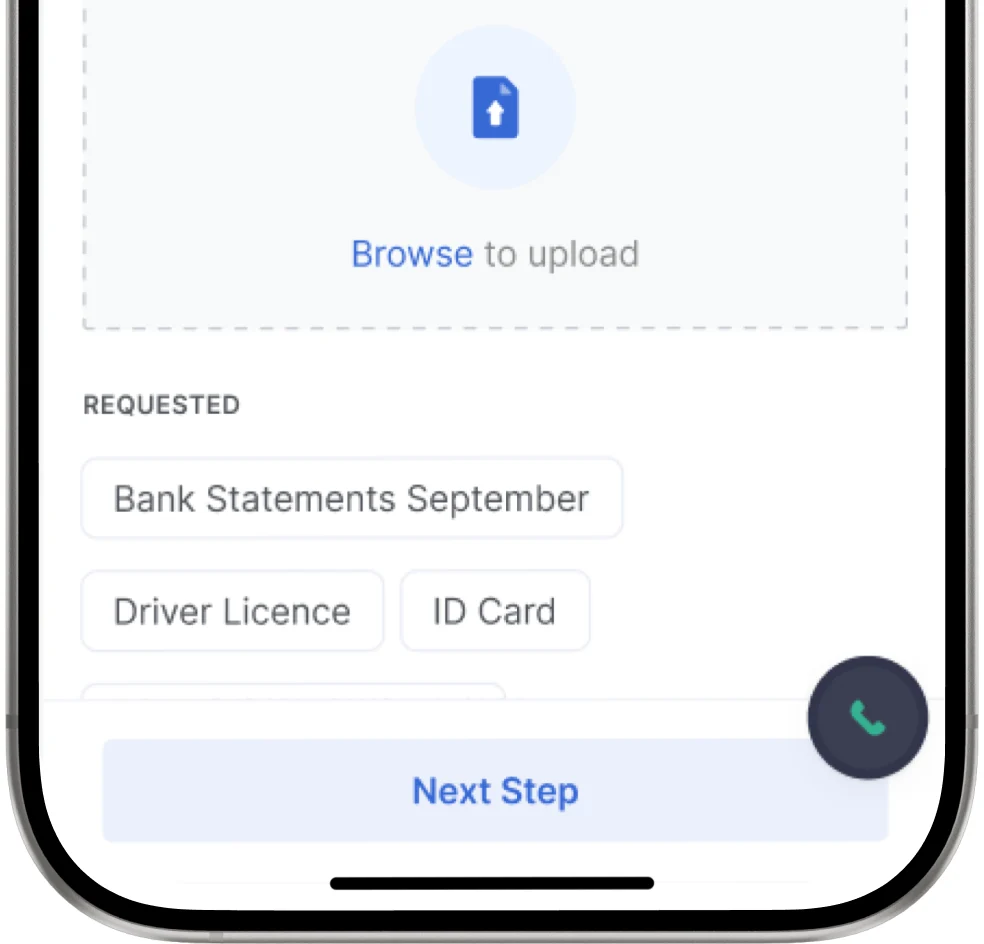
BI and product analytics tools that make complex data usable for non-analysts without dumbing it down for analysts.
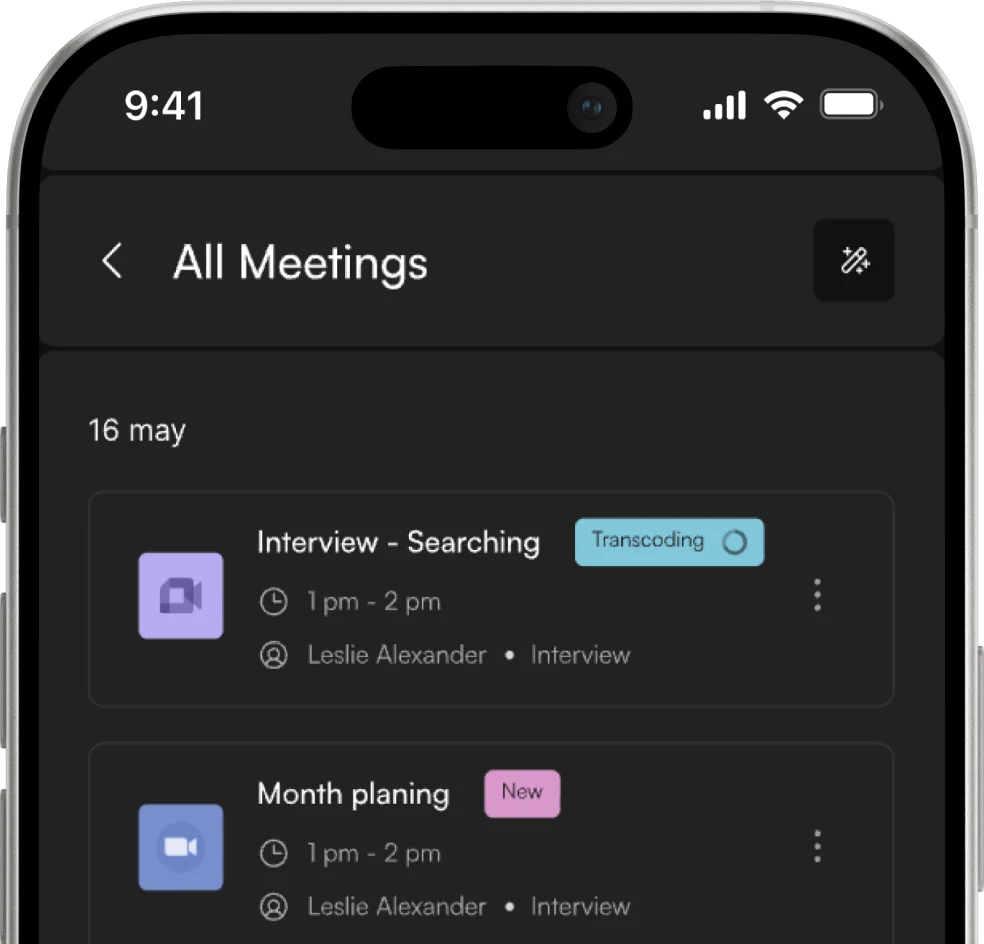
Task and collaboration platforms designed to cut coordination overhead, not add to it.
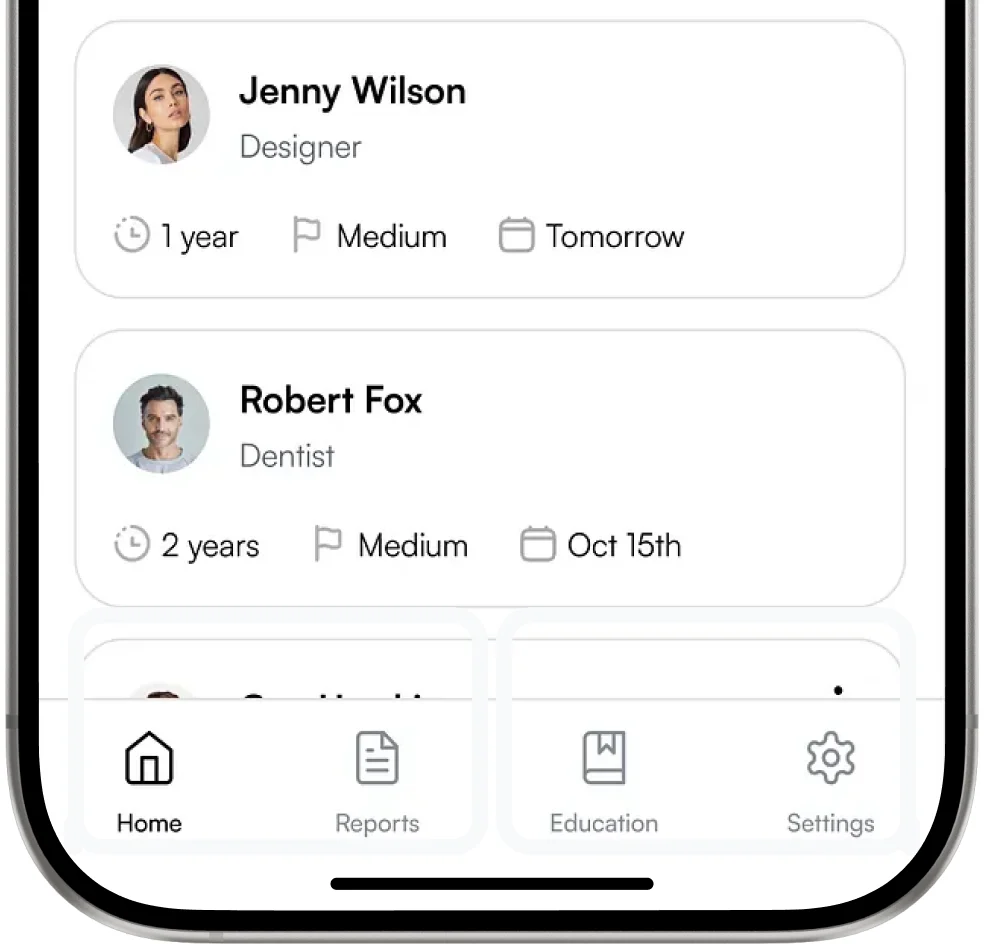
Operational SaaS web app design where data accuracy and workflow speed are the product. For multi-role business platforms, see B2B UX design.
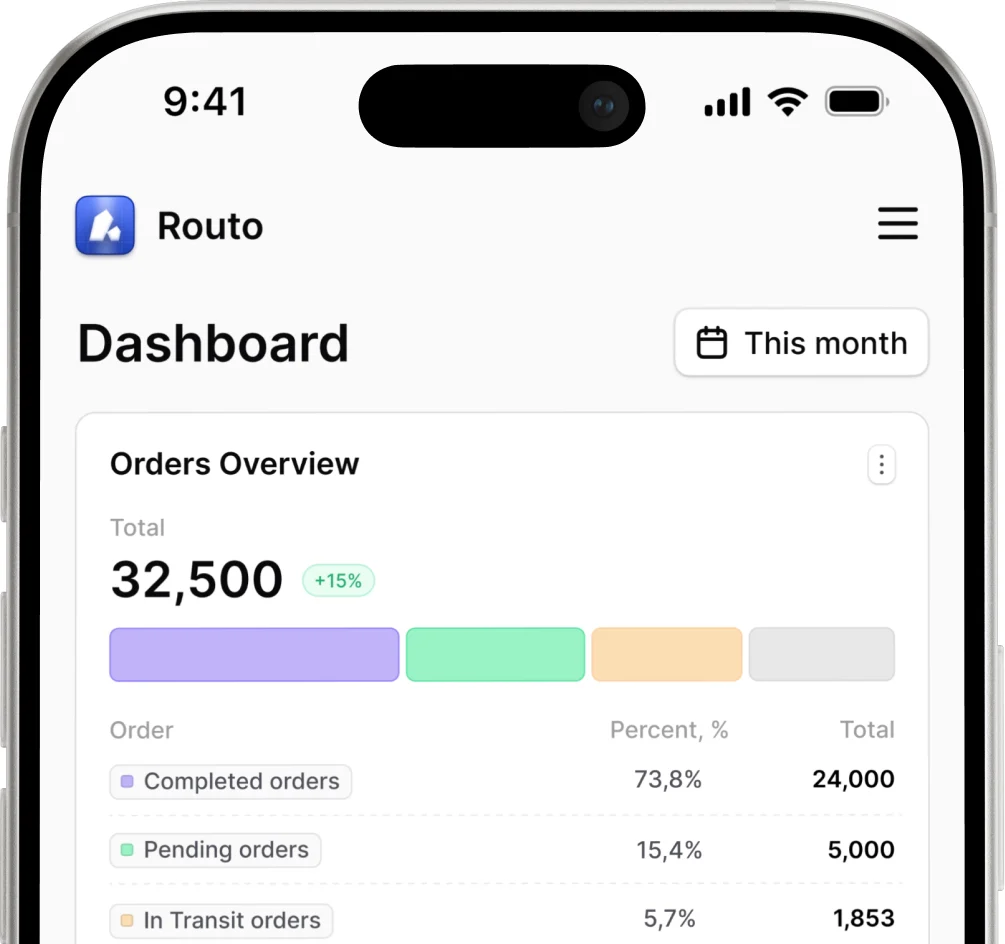
API management, CI/CD interfaces and internal tooling for technical users who value density and precision and notice any inconsistency immediately.
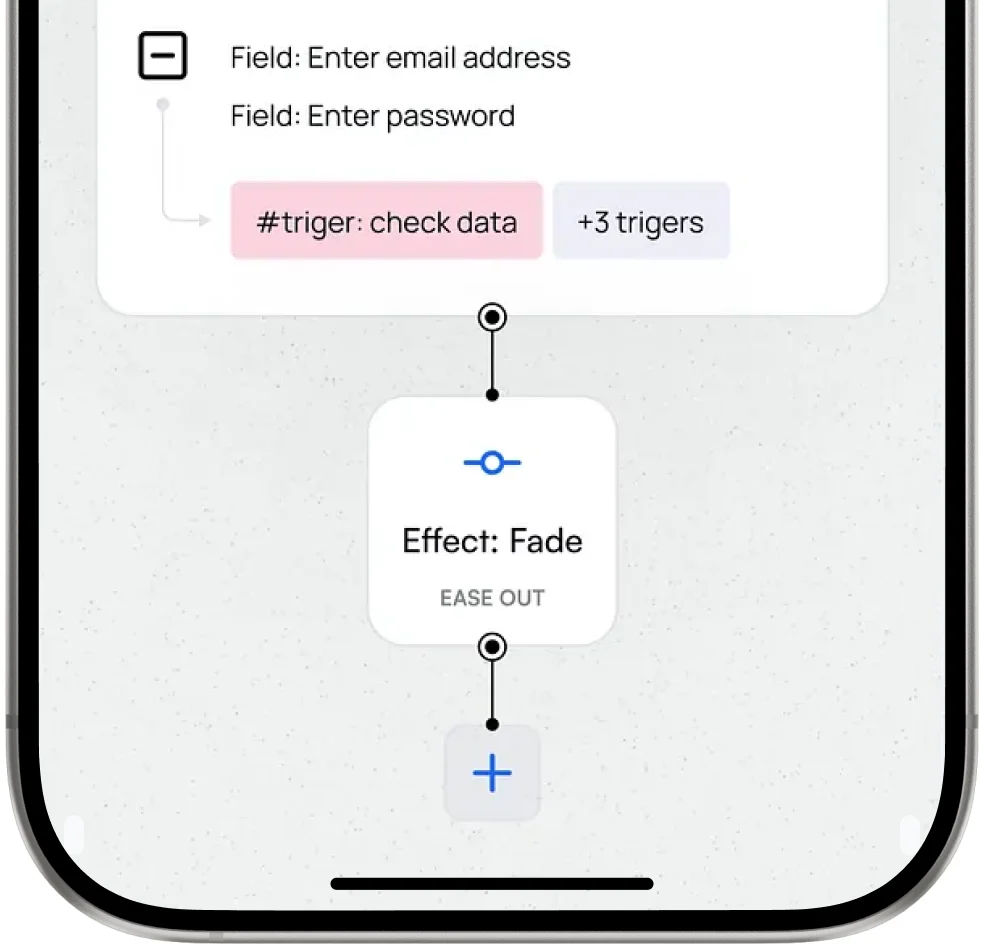
Want to see where your SaaS product loses users before you redesign? Start with a UX audit
You design for a first-time user who has to understand the product fast and an experienced user who has to work fast, at the same time. On top of that come multiple roles, permissions, feature density and a product that ships something new every few weeks.
You design for a first-time user who has to understand the product fast and an experienced user who has to work fast, at the same time. On top of that come multiple roles, permissions, feature density and a product that ships something new every few weeks.
Onboarding. Most products try to show everything at once instead of getting the user to one clear outcome. Users don’t need a tour. They need a win.
Onboarding. Most products try to show everything at once instead of getting the user to one clear outcome. Users don’t need a tour. They need a win.
A focused engagement, like an onboarding redesign or one core workflow, takes 4 to 6 weeks. A full product redesign with research, UX strategy, UI and a design system takes 10 to 16 weeks.
A focused engagement, like an onboarding redesign or one core workflow, takes 4 to 6 weeks. A full product redesign with research, UX strategy, UI and a design system takes 10 to 16 weeks.
Yes, most of our SaaS work runs this way. We join relevant syncs, work in your tools and act as an extension of your team.
Yes, most of our SaaS work runs this way. We join relevant syncs, work in your tools and act as an extension of your team.
Yes. Some clients bring us in for one problem area, like onboarding, dashboards or a complex workflow, while their in-house team owns the rest. We scope to what’s actually needed.
Yes. Some clients bring us in for one problem area, like onboarding, dashboards or a complex workflow, while their in-house team owns the rest. We scope to what’s actually needed.
Yes. Product and website are separate projects, but the same team can carry your positioning from the homepage and pricing page into the product. See our web design services.
Yes. Product and website are separate projects, but the same team can carry your positioning from the homepage and pricing page into the product. See our web design services.






We use cookies to see how the site is used and to measure our ads. You choose. Privacy Policy