We know how clinical environments actually work
We don’t design healthcare products from the outside. We conduct research in clinical settings, with real clinical users, on the actual workflows your product is supposed to support.

Doctors spend up to half their shift navigating digital systems. Most of that time isn’t spent on patient care — it’s spent fighting software that wasn’t designed for the people who have to use it. We design healthcare products that actually work in clinical environments — fast, clear, and built to meet HIPAA, FDA, and GDPR requirements from the start.


Our clients have raised over $1B+ combined


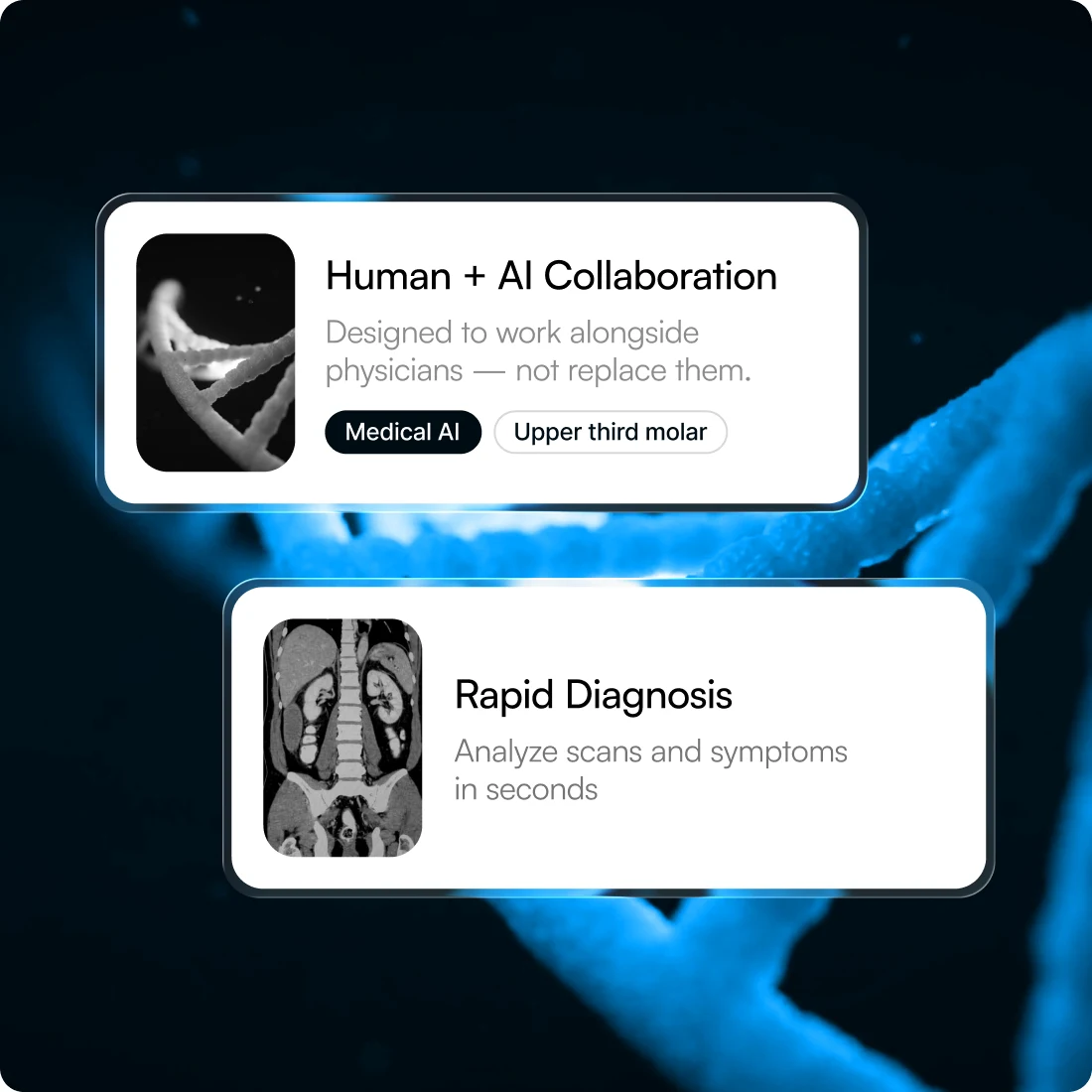
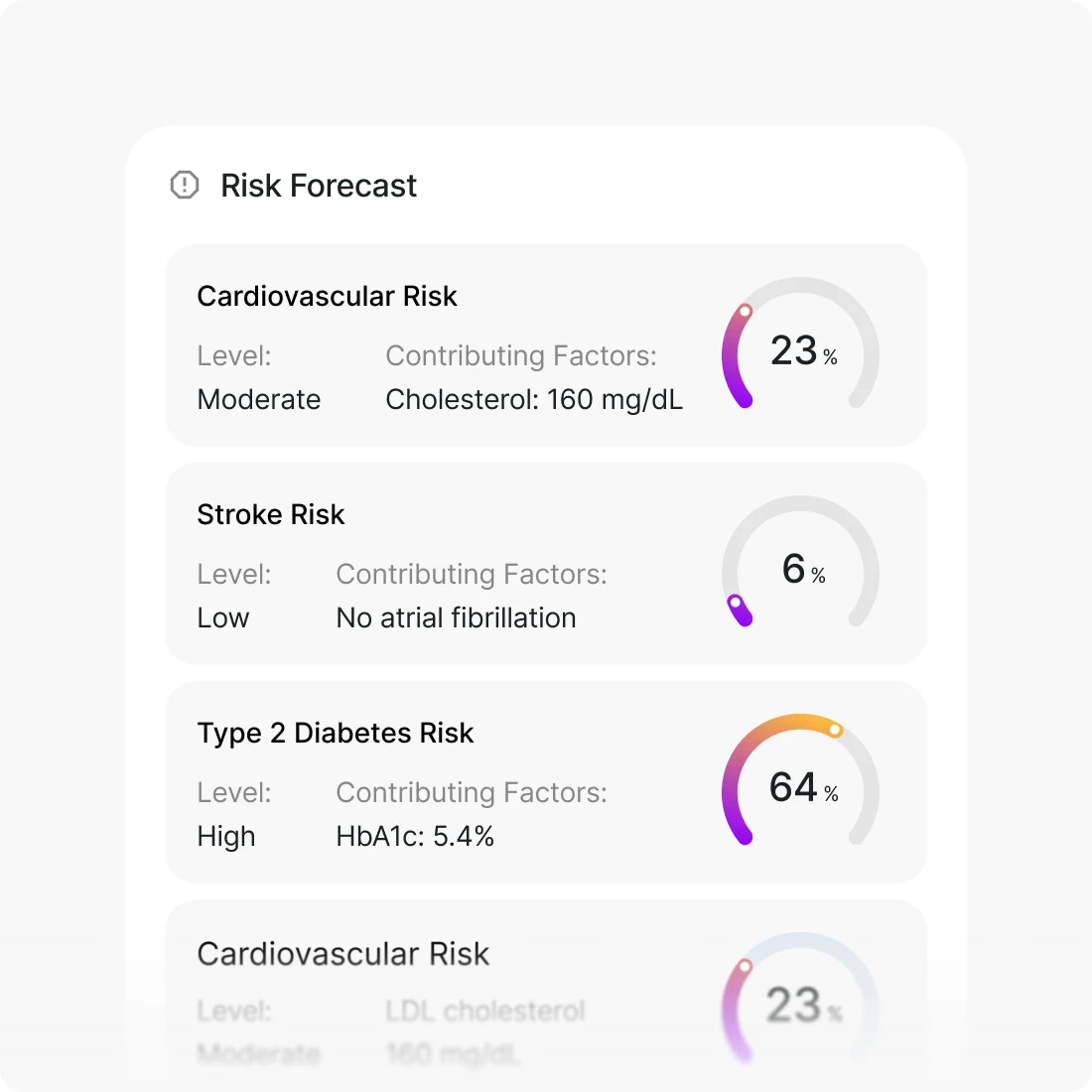
Faster clinical workflows. Good design reduces the risk of a missed medication or a decision made on incomplete information.
Accurate patient data. Confusing interfaces lead to documentation errors — clear design keeps records reliable.
Trust across the health system. That trust is what gets a product adopted health-system-wide, not just by individual users.
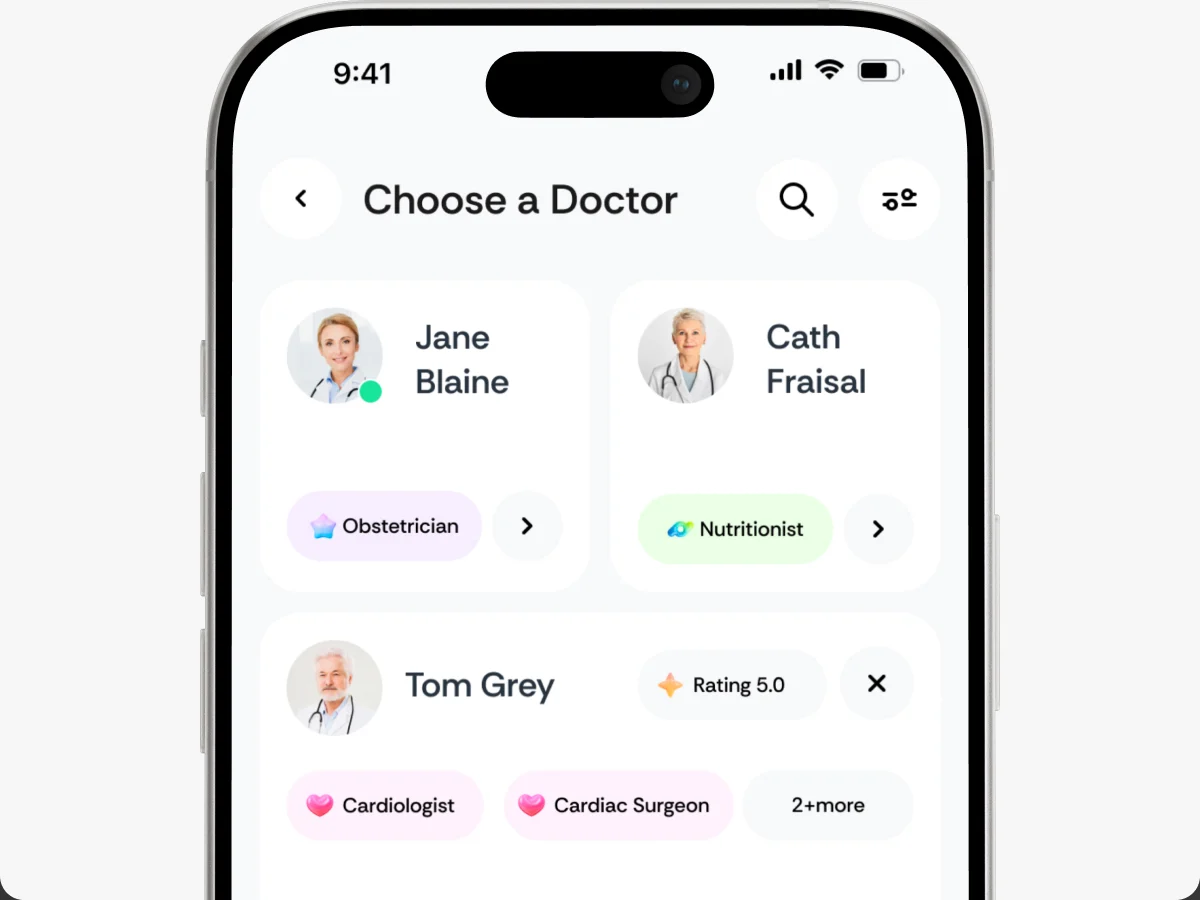
When an EHR takes 4 clicks to find a lab result, those seconds add up to hours every week — time taken directly from patient care. Healthcare product design that reduces friction is a clinical outcome, not just a UX improvement.
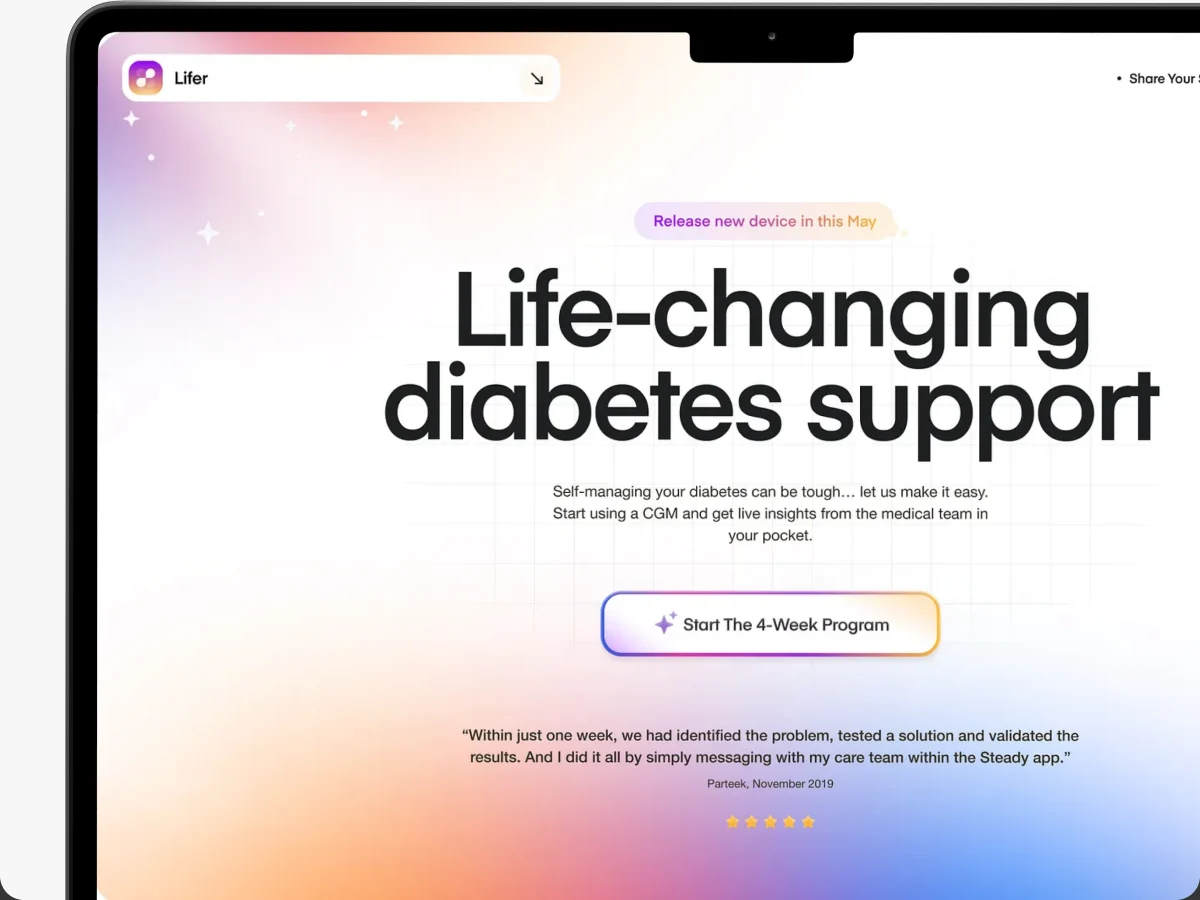
In clinical settings, a poorly labeled field or an unintuitive workflow doesn’t just slow someone down — it creates conditions for data entry errors that affect patient safety. Design clarity is patient safety.
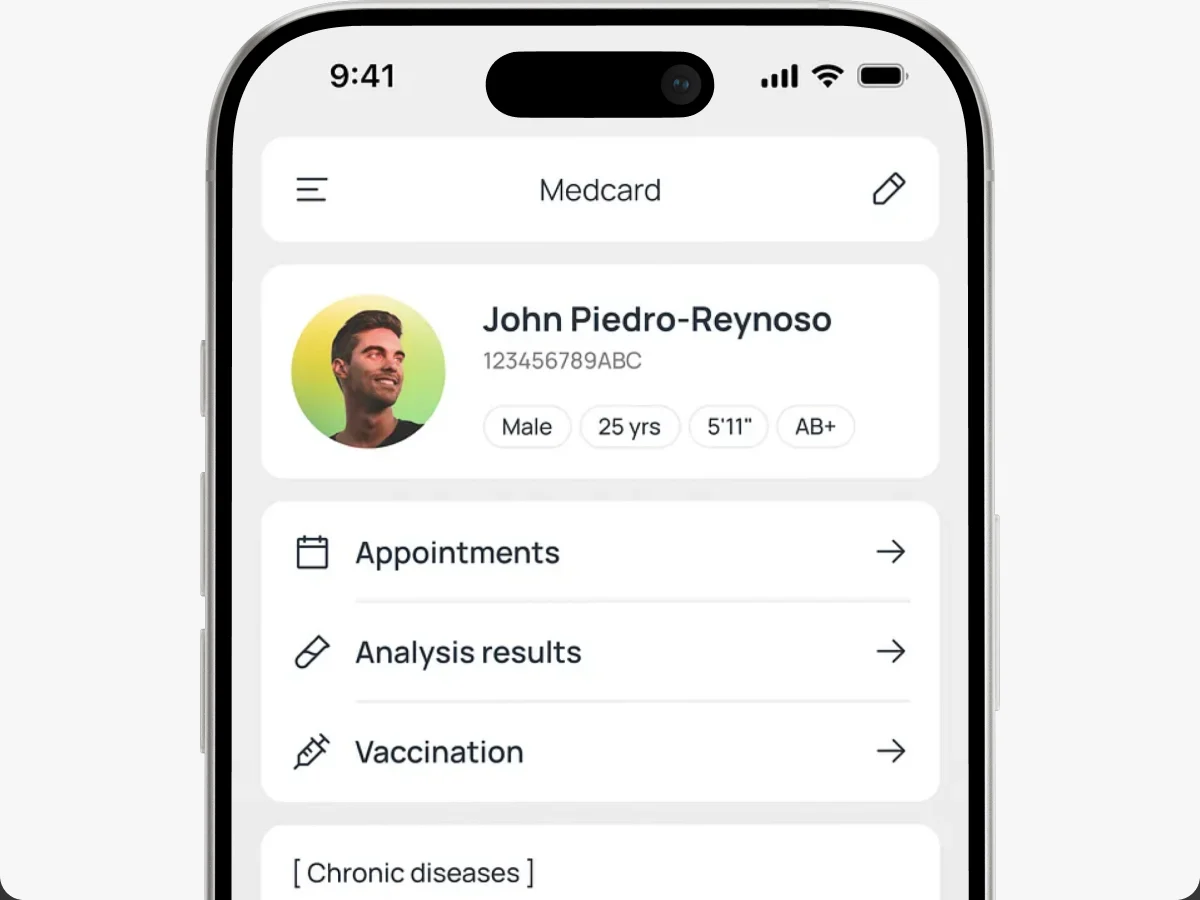
A healthcare product that gets deployed and ignored is a failed investment regardless of its technical capabilities. Clinicians work around systems they don’t trust. Good design is what drives adoption.
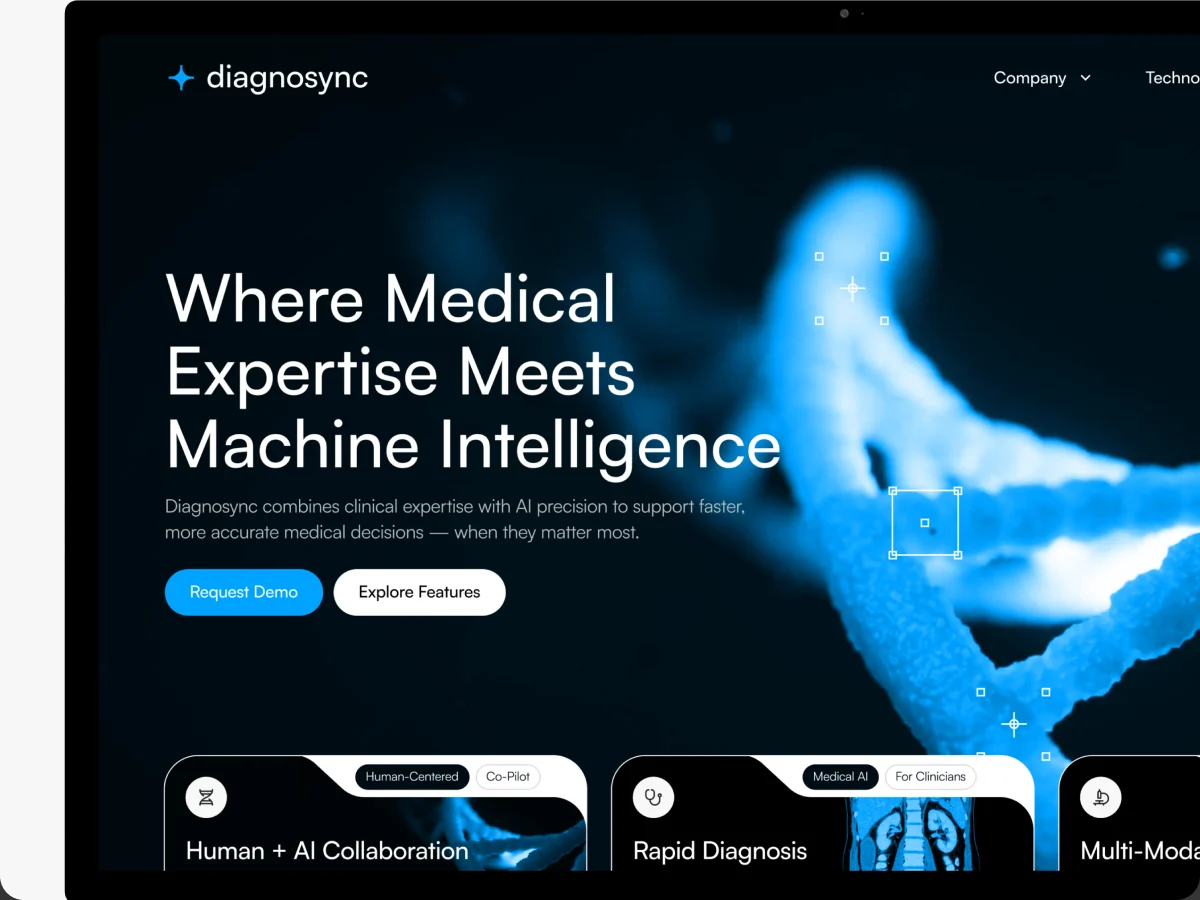
Patient portals, telehealth apps, and health monitoring tools all depend on patients actually engaging with them. If the interface is confusing or slow, patients disengage — and the clinical value of the product disappears with them.
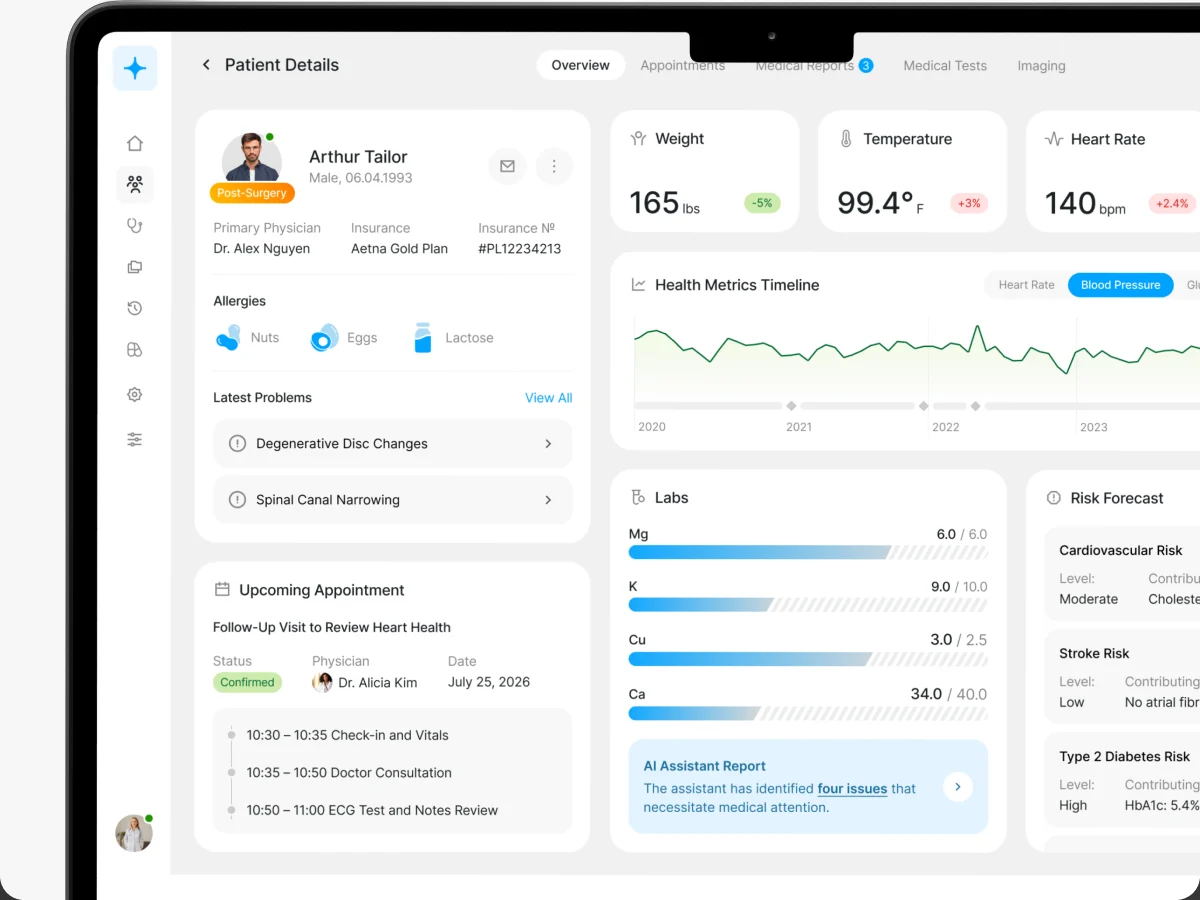
HIPAA, FDA, and GDPR requirements don’t become optional because you launched already. Healthcare products built without compliance in the design phase face costly rework, delayed releases, and regulatory risk.
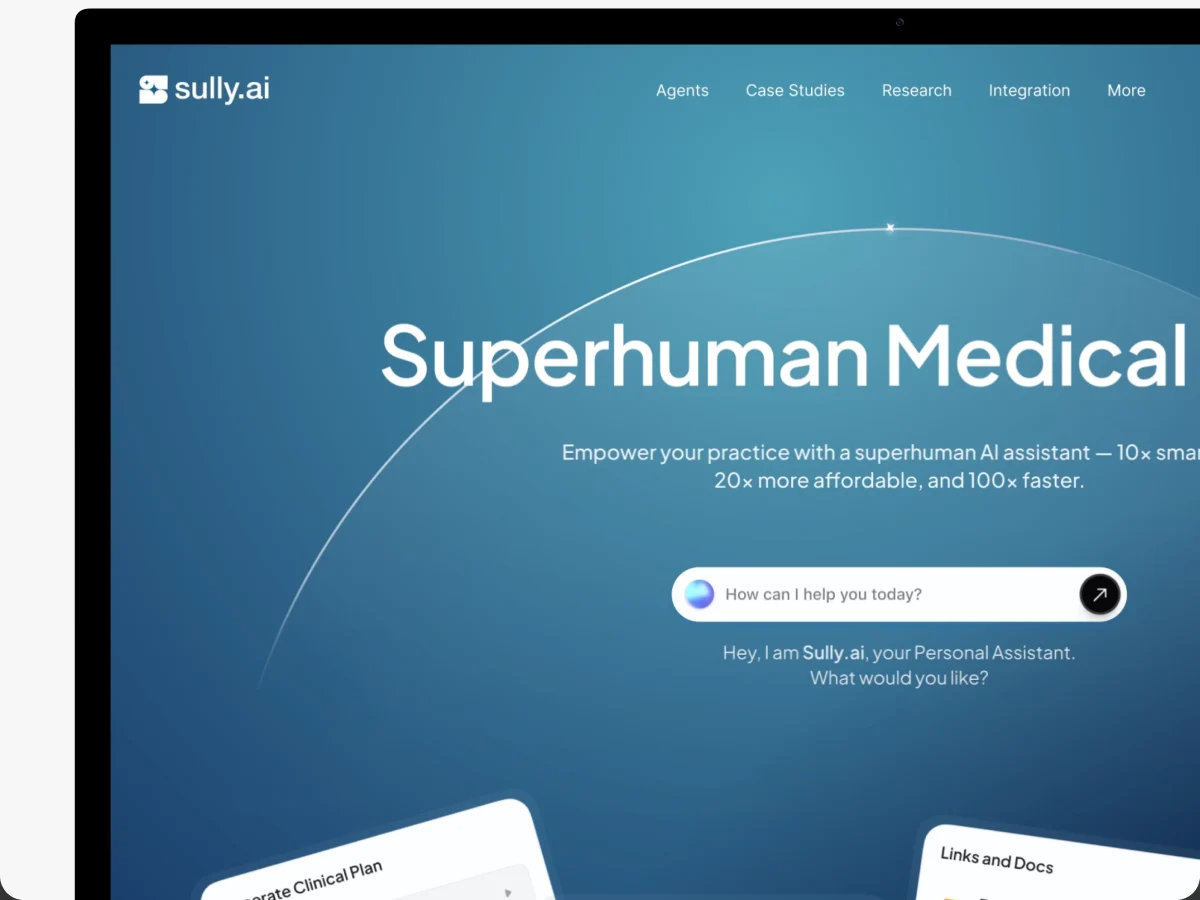
Healthcare workers deal with enough pressure. When the digital tools they depend on are frustrating to use, it contributes directly to burnout and turnover. Better healthcare UX design is a retention argument, not just a product argument.
We research in clinical settings, with the people who will actually use the product — observing real workflows, interviewing clinicians and patients, and reviewing where the existing system breaks down.
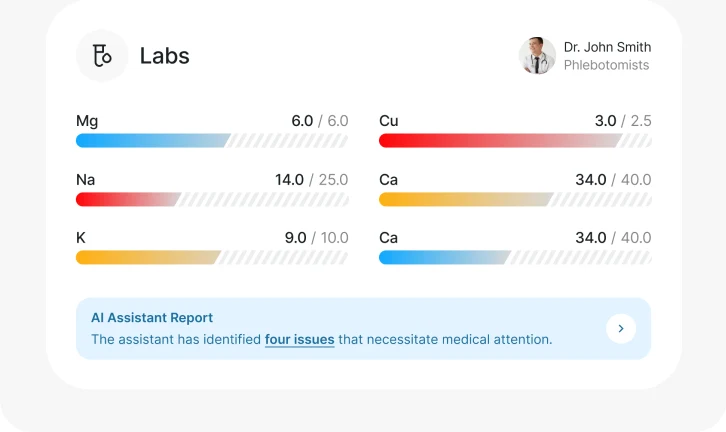
Clean, accessible interfaces designed for clinical environments — high stress, time pressure, and users who can’t stop to read a tooltip. Every visual decision is made with workflow efficiency and error prevention in mind.

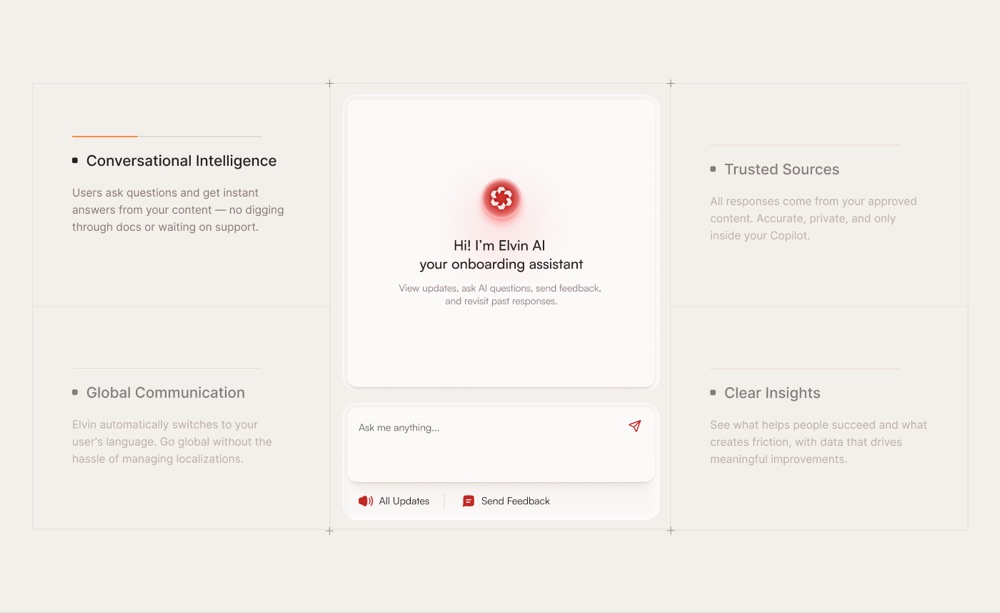
Electronic health records and clinical management systems are some of the most complex products in existence. We design EHR interfaces that match how clinicians actually think and work — reducing documentation burden without sacrificing accuracy.
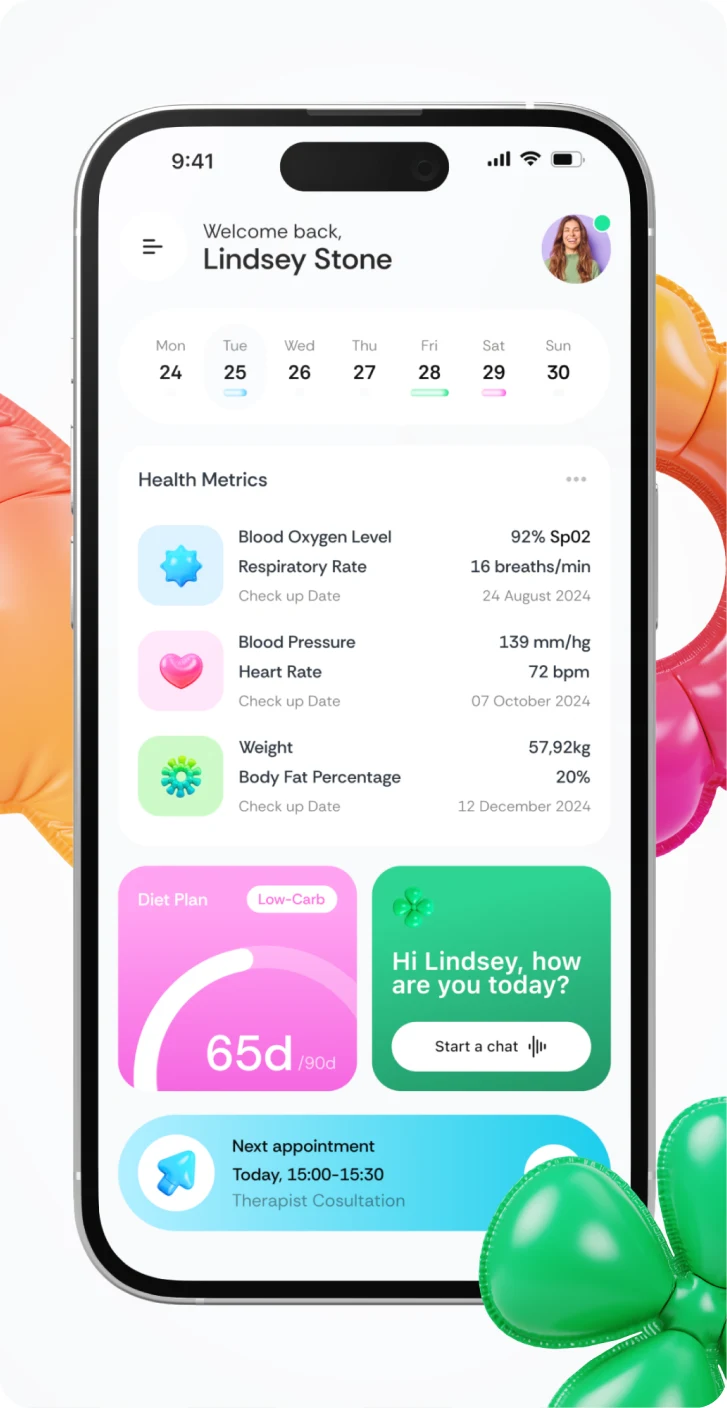
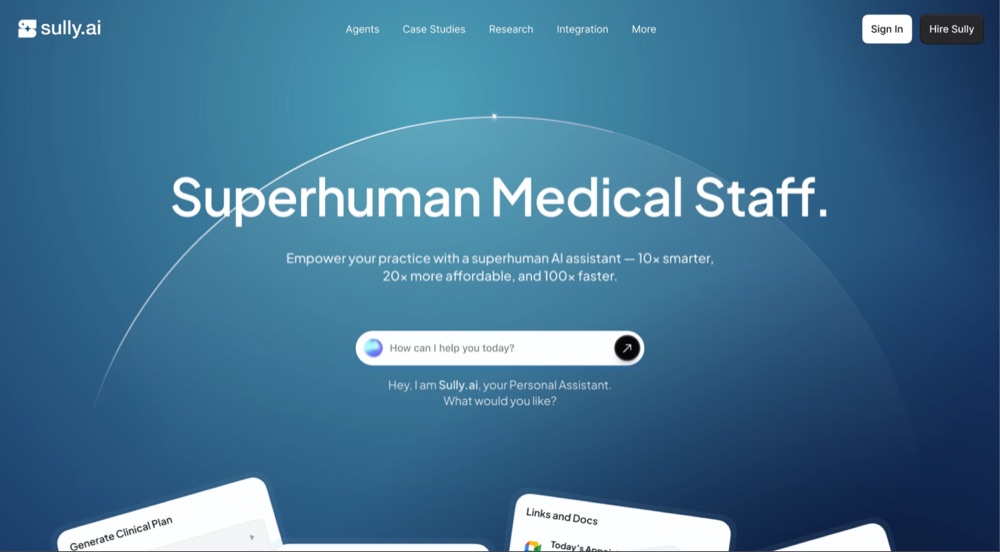
Telehealth apps, patient portals, symptom trackers, and medication management tools designed for a user base that spans age, digital literacy, and health status. Accessibility and clarity aren’t optional features here — they’re the product.
Touchscreen interfaces for diagnostic equipment, infusion pumps, and monitoring systems — designed to meet FDA human factors requirements and IEC 62366 usability standards.

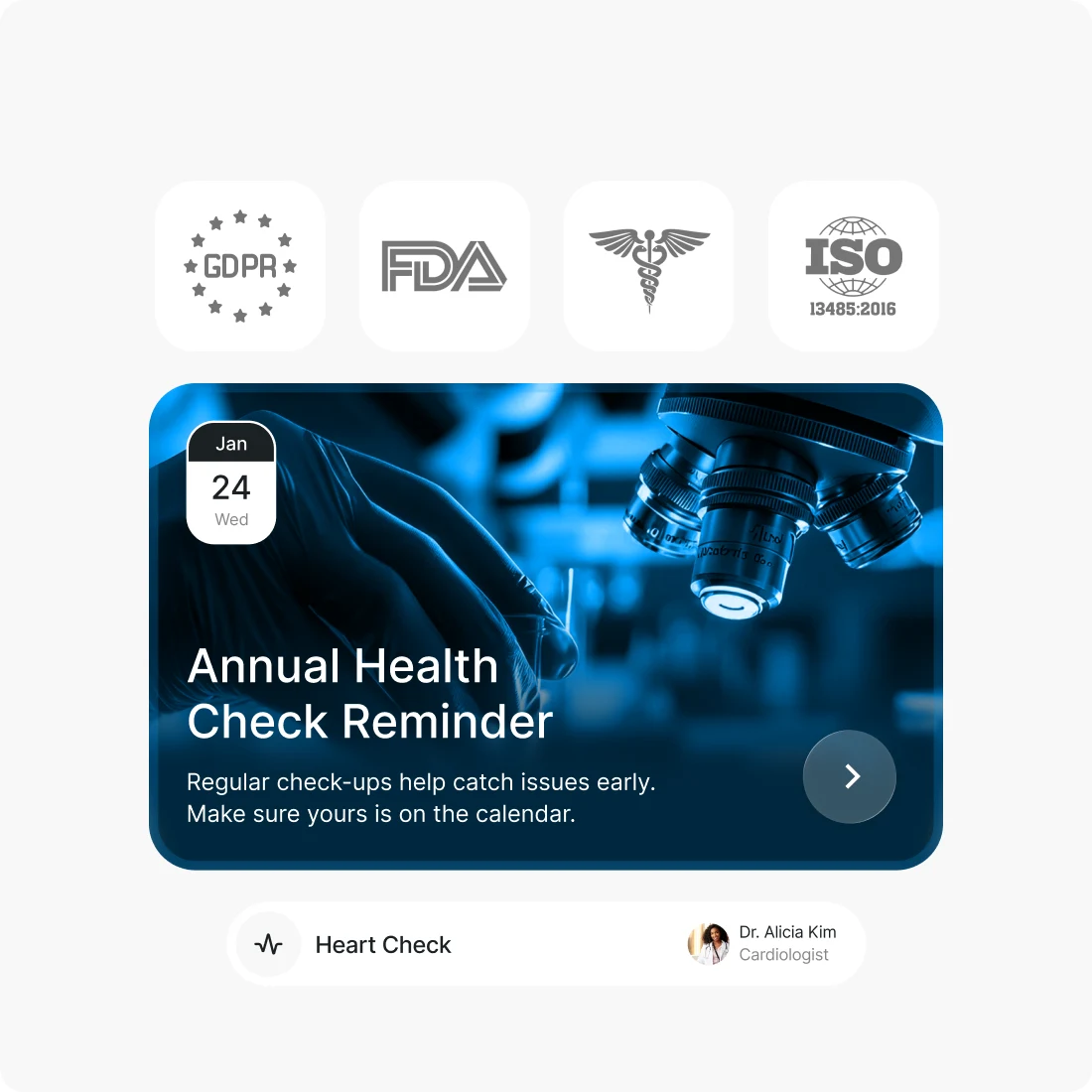
HIPAA, FDA 21 CFR, ISO 13485 and IEC 62366 treated as design constraints from the first wireframe — including the human factors documentation a submission needs.

Healthcare product design has specific constraints that a general design process doesn’t account for. Ours does.
We start by spending time with the people who use the product — observing real workflows, conducting structured interviews with clinicians and patients, and reviewing existing system pain points. For healthcare products, discovery includes mapping regulatory requirements alongside user needs from the beginning.
DiscoveryHealthcare products often serve multiple user types with very different needs — an attending physician, a floor nurse, a patient, and a billing administrator can all interact with the same system in completely different ways. We build personas and journey maps that capture those differences.
PersonasClinical information architecture is its own discipline. We structure data hierarchy, navigation, and workflow logic around how clinical decisions actually get made — not around database schemas or administrative convenience.
ArchitectureWe wireframe critical clinical flows before any visual design begins. High-fidelity prototypes are built to test with real users in conditions as close to clinical reality as possible — time pressure, interruptions, and all. Changes at prototype stage cost a fraction of post-launch fixes.
PrototypesWe run structured usability testing sessions with clinicians, nurses, and patients from your actual user base. For healthcare products, we pay particular attention to error recovery — what happens when something goes wrong, and whether the user can recover without compromising patient safety.
TestingWe deliver developer-ready design specifications, a fully annotated component library, and the design documentation required for regulatory submissions — human factors reports, use error risk analysis, and formative usability study findings where required by FDA or other agencies.
HandoffWe don’t design healthcare products from the outside. We conduct research in clinical settings, with real clinical users, on the actual workflows your product is supposed to support.
A clinician managing 20 patients under time pressure is a harder user than most. If the interface works for them, it works for everyone. We design for the most demanding use cases, not the average one.

HIPAA, FDA, GDPR, ISO 13485 — these aren’t checklists we run at the end. They’re design constraints we work within from the first wireframe, which means fewer surprises at submission time.

We’ve worked with emergency medicine, primary care, radiology, oncology, and mental health platforms. Each specialty has different workflow patterns, data priorities, and regulatory considerations — and we know the differences.
We recruit research participants across age, health literacy, and ability level as standard. Healthcare products that only work for healthy, tech-savvy adults aren’t meeting their actual user base.
Research, UX strategy, healthcare UI design, prototyping, clinical usability testing, compliance documentation, developer handoff — one team owns the full process.
We produce the human factors documentation, use error analysis, and formative usability study reports that FDA submissions and CE marking processes require — not as an afterthought, but as a designed deliverable.
Most design agencies treat HIPAA and FDA requirements as someone else’s problem. We treat them as design constraints — and we’ve learned to work effectively alongside compliance officers, legal teams, and clinical advisors.
Full design files, annotated component libraries, and documented systems your in-house team can maintain and extend independently. No lock-in, no ongoing dependency on us to update a screen.











.jpeg)
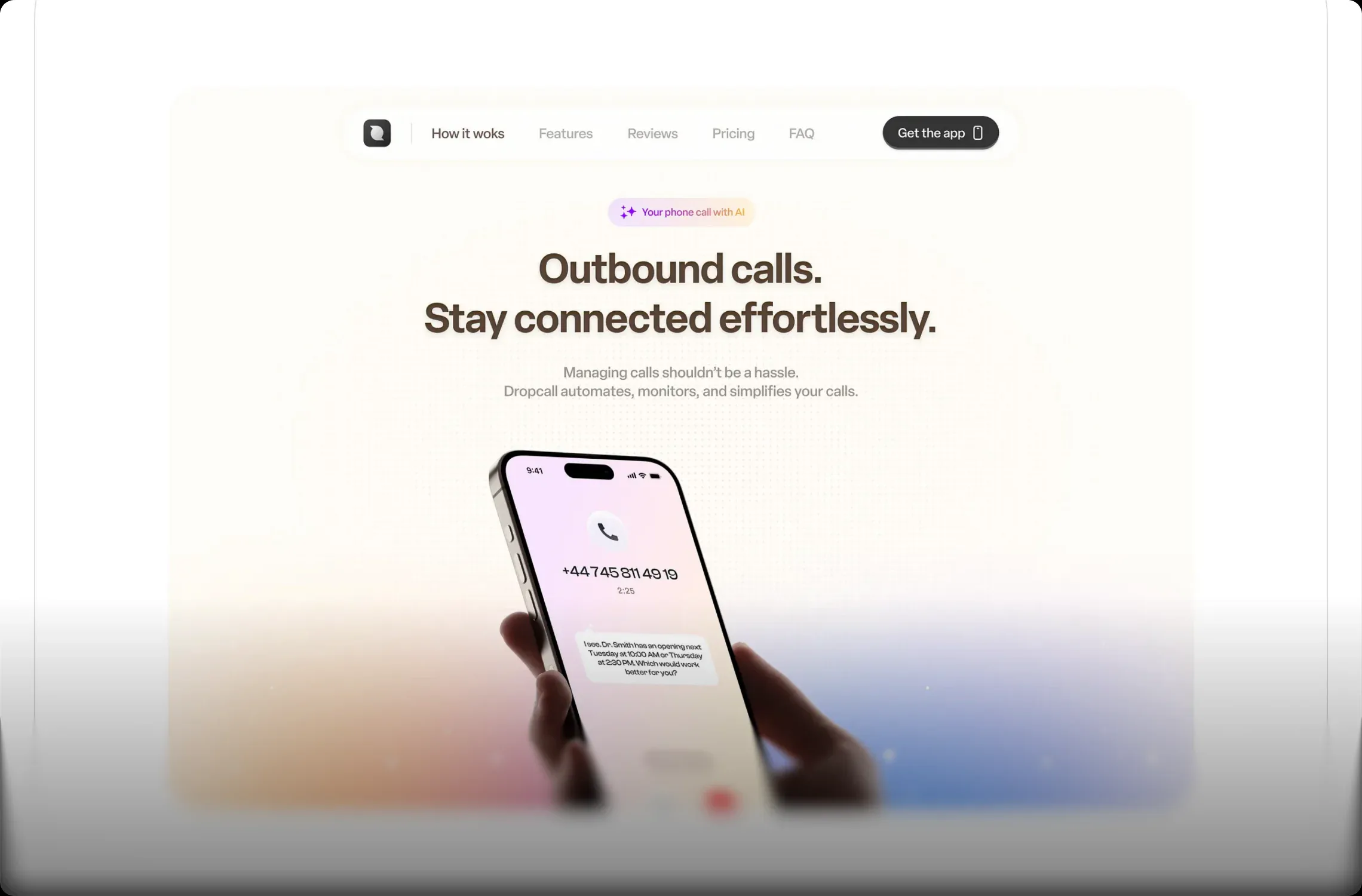
Registering one patient required 8–10 minutes across five separate systems with duplicate data entry. After redesigning the workflow into a single unified process, registration dropped to 3 minutes — saving clinical staff roughly 30 minutes per day.
8 min → 3 min registration
Complex registration and multi-screen intake forms were preventing patients from completing their first consultation. After focusing on simplicity — one-tap consultation start, minimal required fields, clear navigation — adoption grew significantly in year one.
50,000 active patients · 4.8 App Store rating
Physicians reported spending 40% of their documentation time navigating rather than entering data. An information architecture restructure and contextual navigation redesign reduced navigation time and improved documentation completion rates.
−40% navigation time
Clinical environments, patient-facing apps, connected devices — our healthcare UX design process adapts to the specific constraints of each.
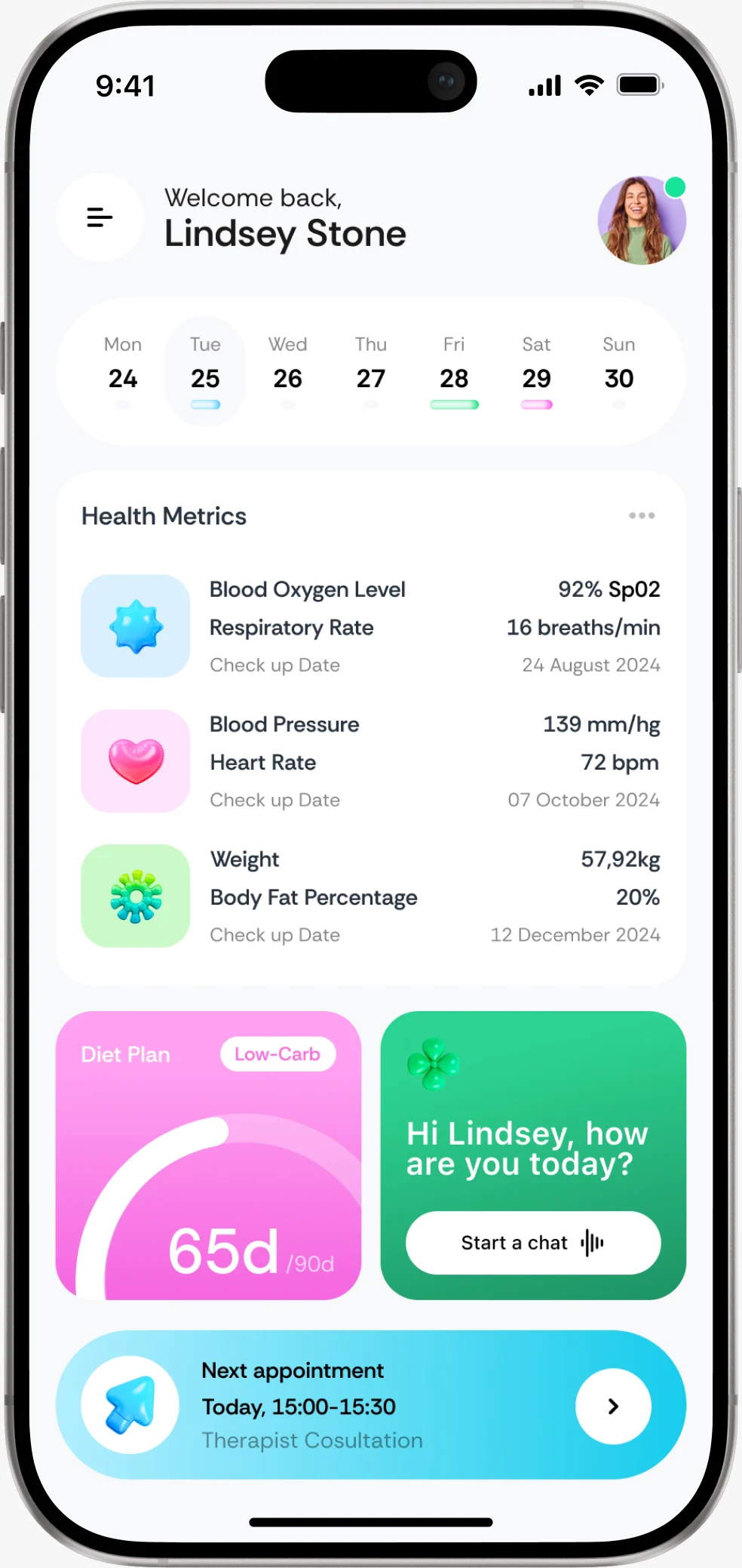
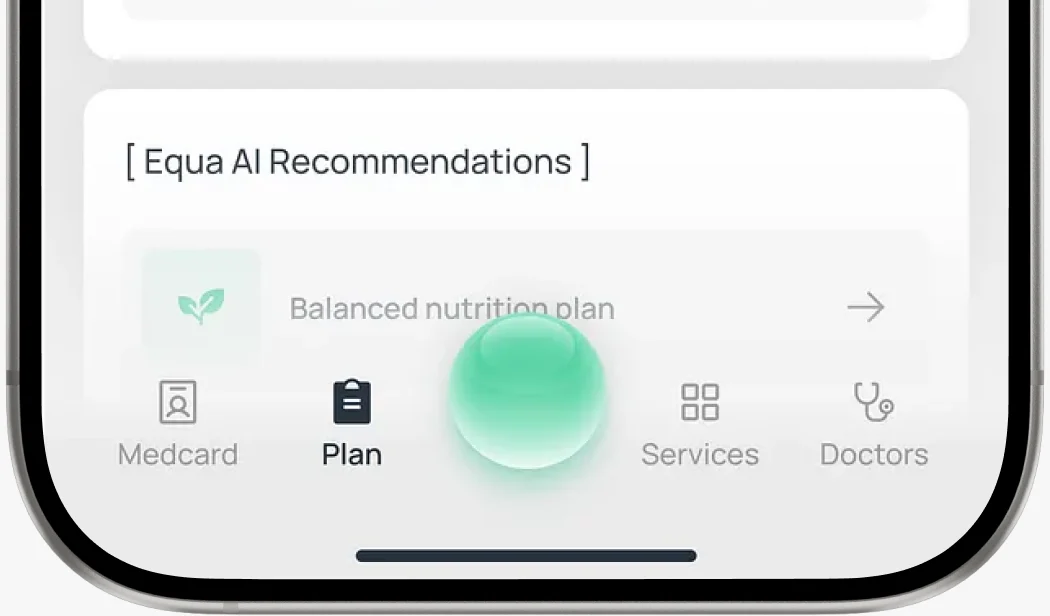
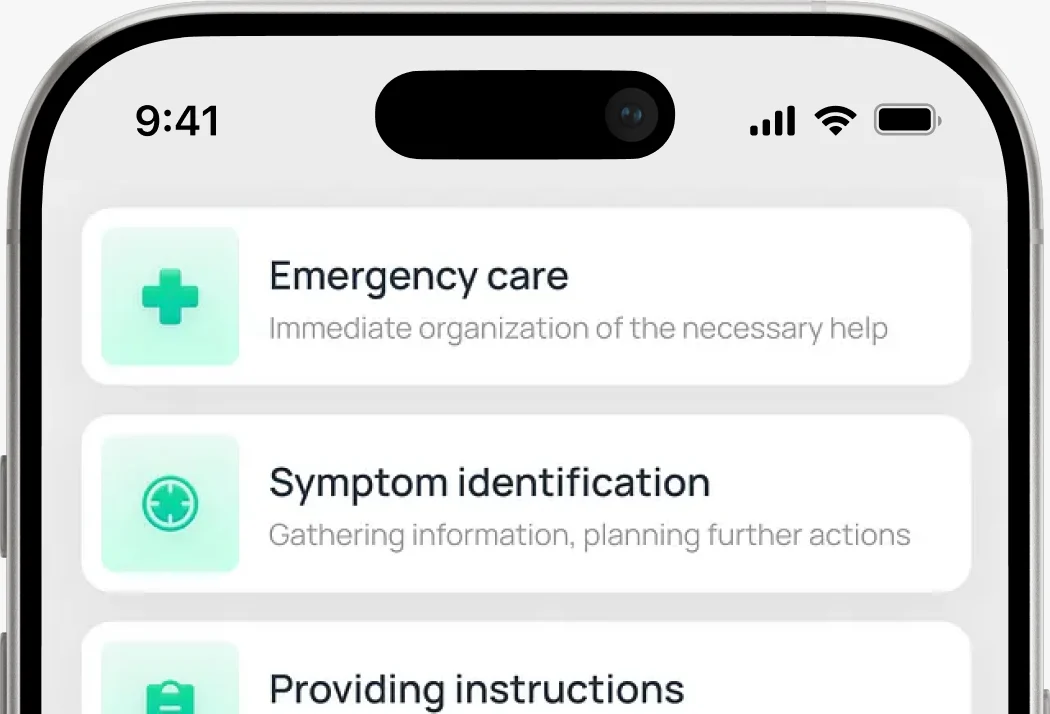
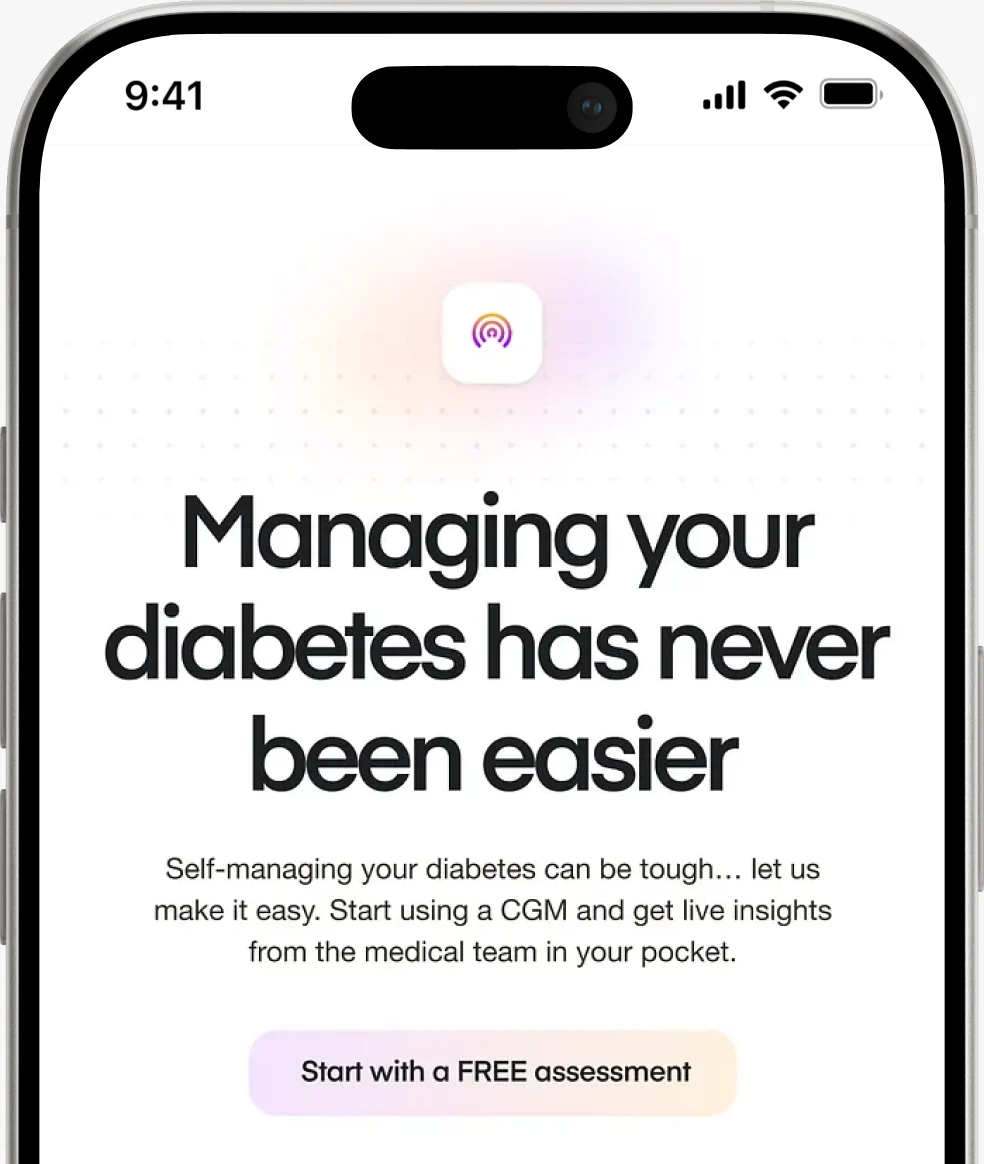
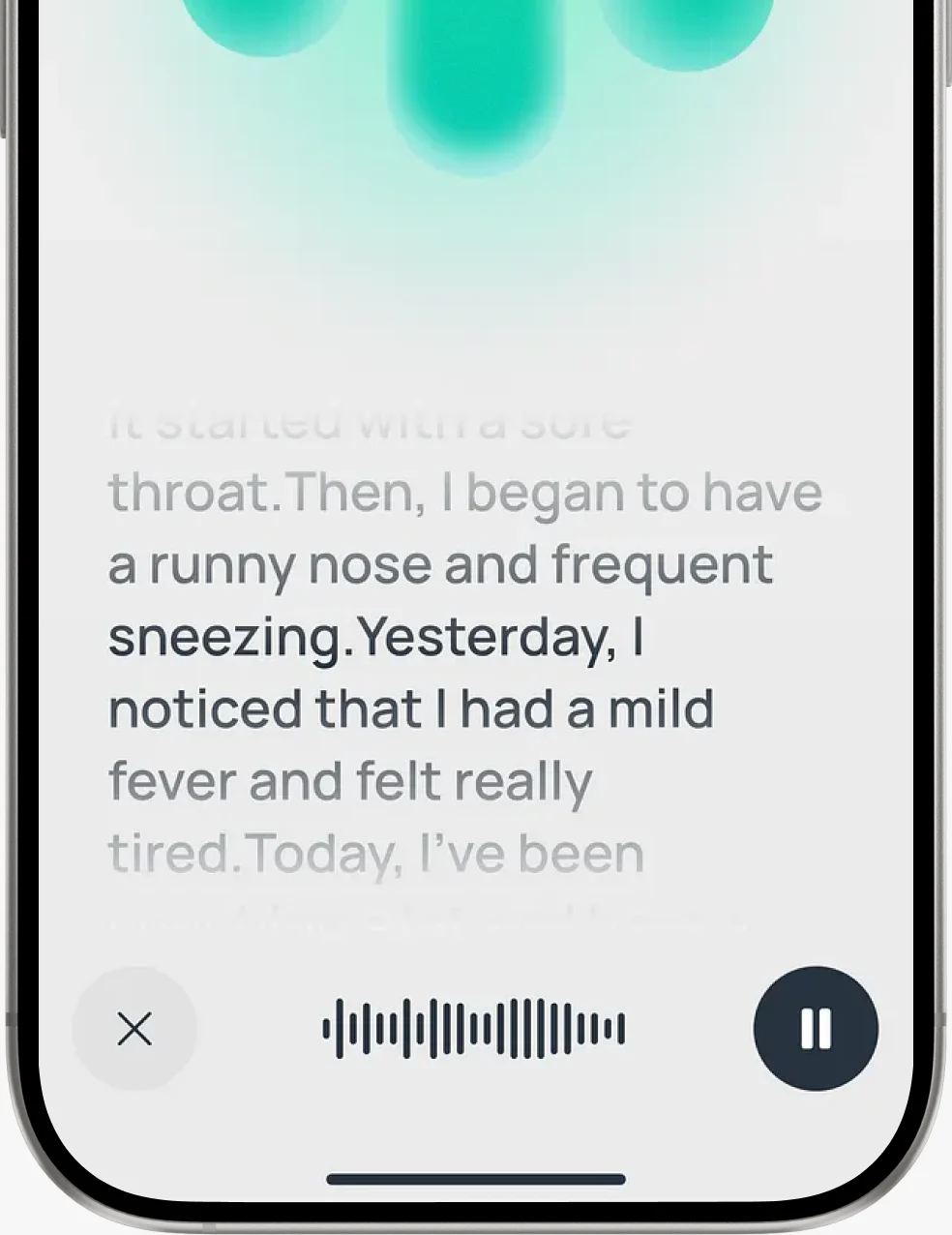
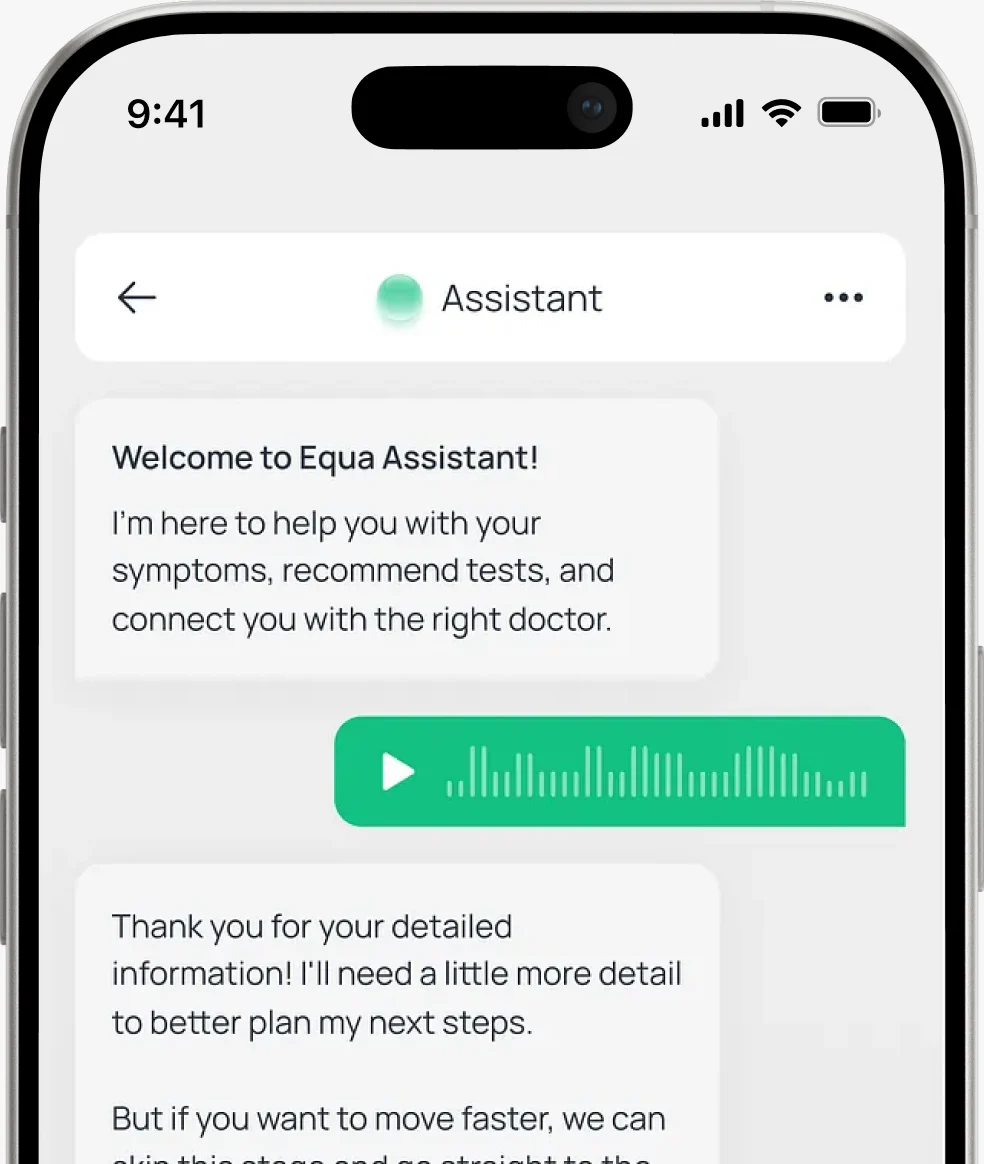
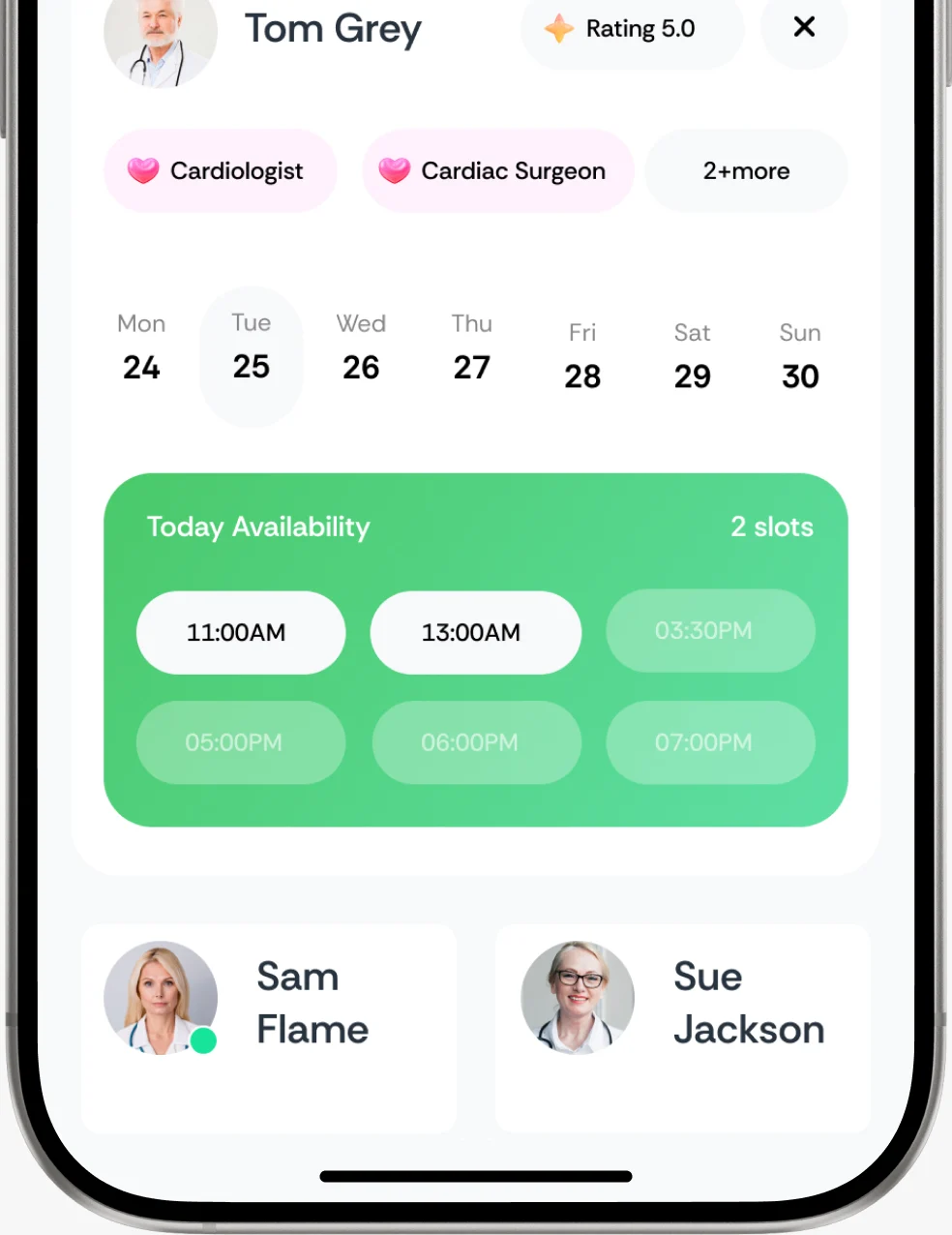
Electronic health records, clinical decision support tools, and care coordination platforms — designed to reduce documentation burden and support accurate, fast clinical workflows.
Video consultation platforms, async messaging tools, and remote monitoring apps. We design for the patient experience from scheduling through follow-up — and for the clinician experience on the other side of the screen.
Patient portals, medication management apps, symptom trackers, and chronic disease management tools. Designed for users who may be anxious, unwell, or unfamiliar with digital health tools.
Touchscreen interfaces for diagnostic equipment, infusion pumps, monitoring systems, and connected devices — designed to meet FDA human factors requirements and IEC 62366 usability standards.
Scheduling systems, billing platforms, staff management tools, and insurance workflow applications. We design for the administrative users whose efficiency directly affects patient access to care.
Clinical environments, patient-facing apps, connected devices — our healthcare UX design process adapts to the specific constraints of each.
Electronic health records, clinical decision support tools, and care coordination platforms — designed to reduce documentation burden and support accurate, fast clinical workflows.
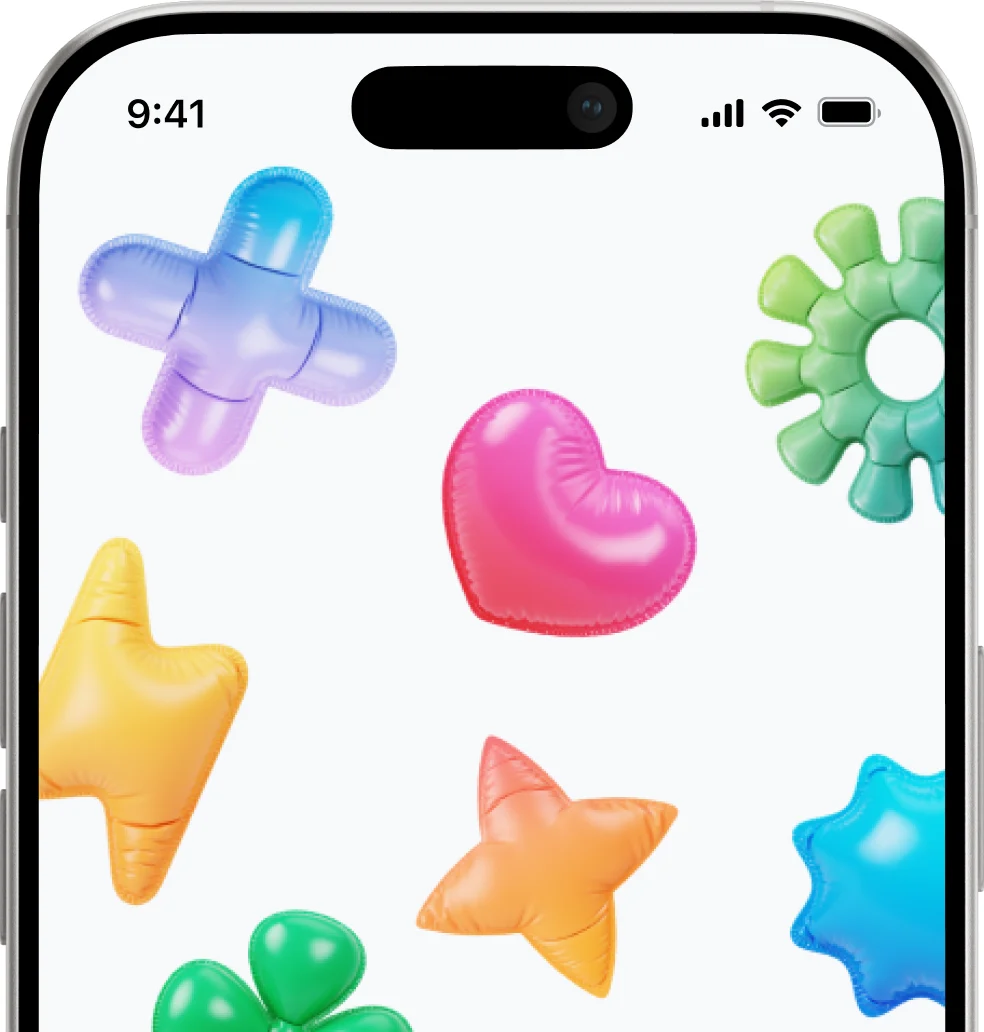
Video consultation platforms, async messaging tools, and remote monitoring apps. We design for the patient experience from scheduling through follow-up — and for the clinician experience on the other side of the screen.
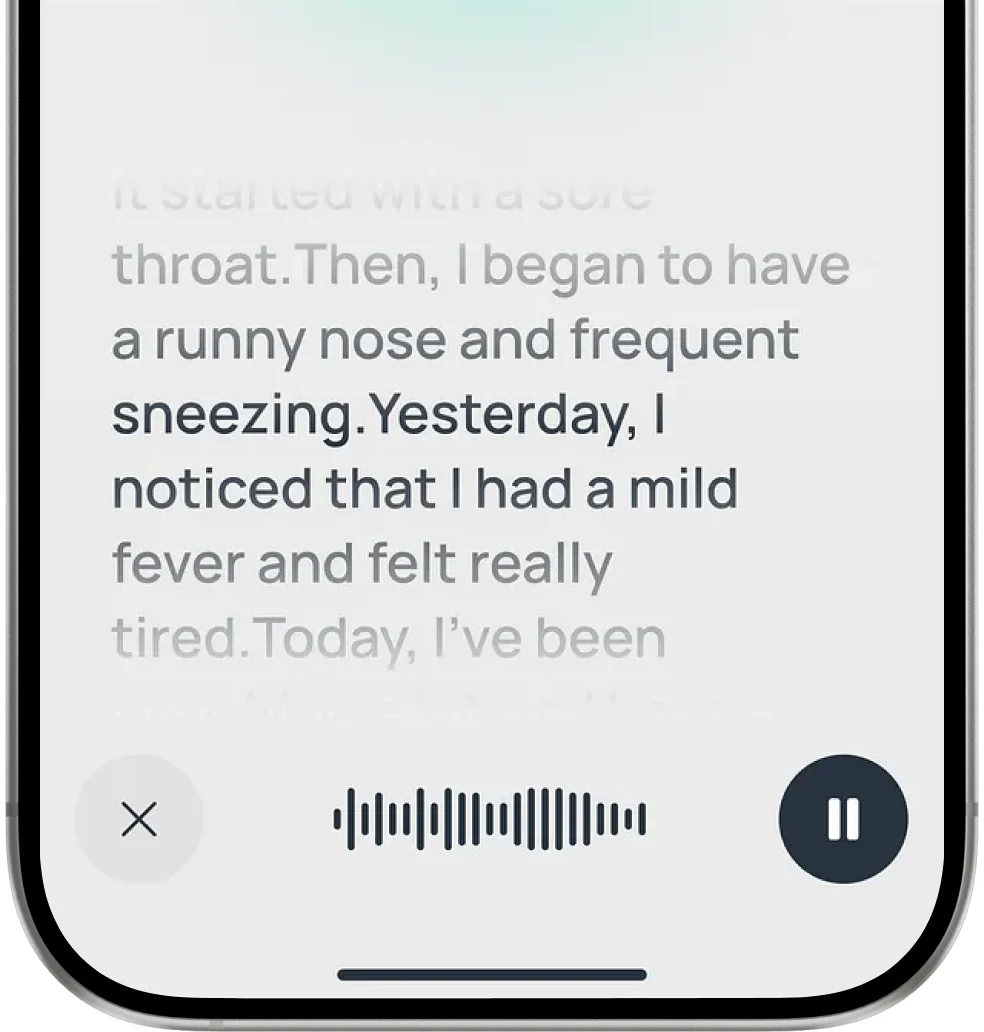
Patient portals, medication management apps, symptom trackers, and chronic disease management tools. Designed for users who may be anxious, unwell, or unfamiliar with digital health tools.
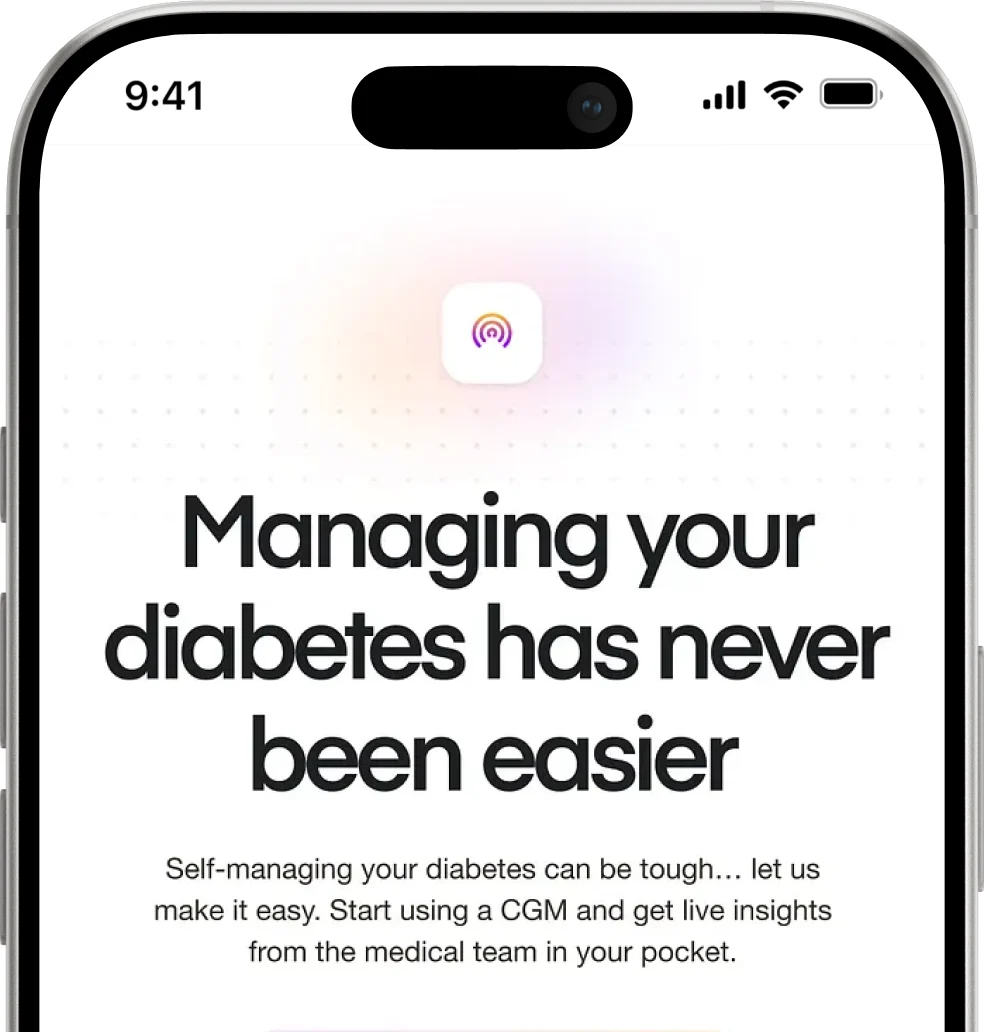
Touchscreen interfaces for diagnostic equipment, infusion pumps, monitoring systems, and connected devices — designed to meet FDA human factors requirements and IEC 62366 usability standards.
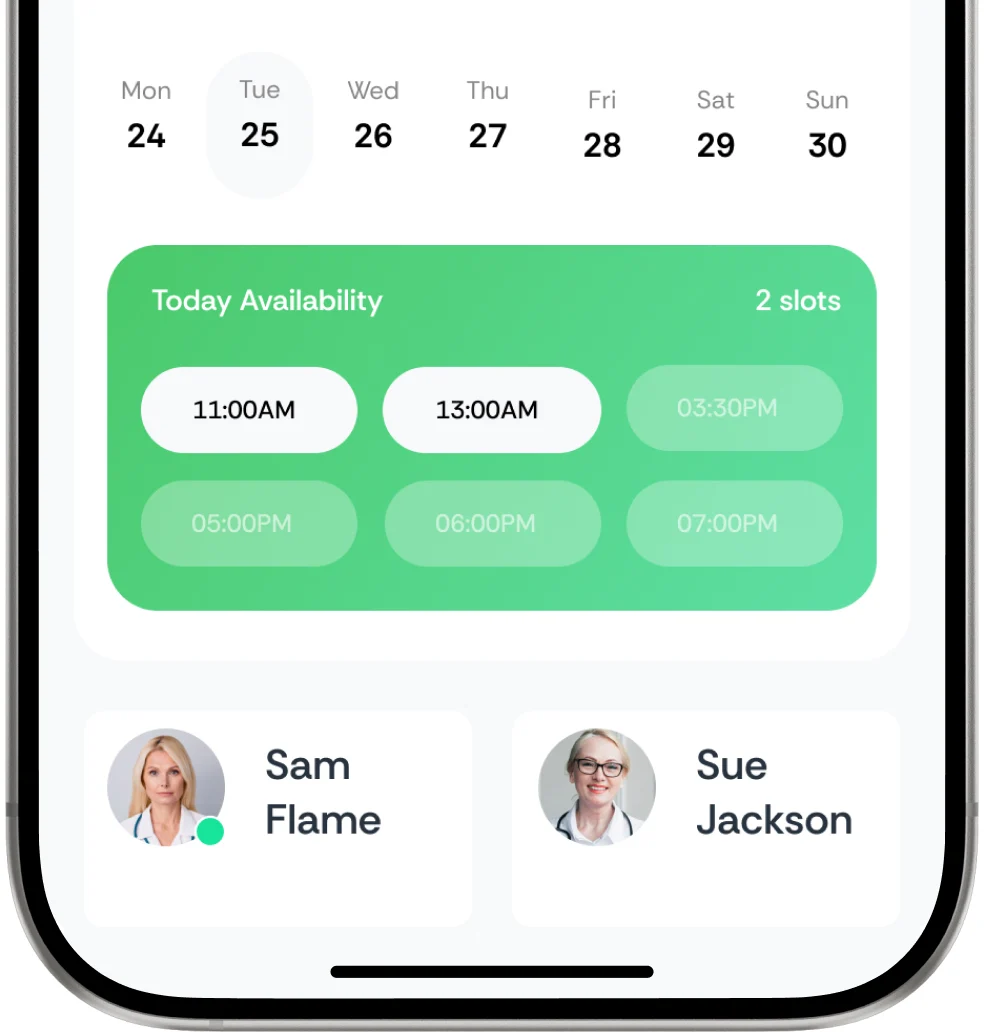
Scheduling systems, billing platforms, staff management tools, and insurance workflow applications. We design for the administrative users whose efficiency directly affects patient access to care.
It depends on scope and complexity. A focused usability study and redesign of a single clinical workflow can take 4–6 weeks. A full healthcare product design engagement — research, UX strategy, UI design, prototyping, usability testing, and compliance documentation — typically runs 3–5 months. We scope every project individually and give you a realistic timeline before work begins.
It depends on scope and complexity. A focused usability study and redesign of a single clinical workflow can take 4–6 weeks. A full healthcare product design engagement — research, UX strategy, UI design, prototyping, usability testing, and compliance documentation — typically runs 3–5 months. We scope every project individually and give you a realistic timeline before work begins.
Yes, and quite a bit of our work is with startups building their first clinical product. We understand the budget constraints of early-stage companies and can structure engagements around your stage — starting with the highest-risk design decisions and building out from there as your product and funding grow.
Yes, and quite a bit of our work is with startups building their first clinical product. We understand the budget constraints of early-stage companies and can structure engagements around your stage — starting with the highest-risk design decisions and building out from there as your product and funding grow.
Yes — redesigns of live clinical systems are a significant part of what we do. We typically start with a UX audit of your existing product, identify where users struggle most, and build a redesign strategy around evidence rather than aesthetic preferences. For regulated products, we also review any existing usability documentation before proposing changes.
Yes — redesigns of live clinical systems are a significant part of what we do. We typically start with a UX audit of your existing product, identify where users struggle most, and build a redesign strategy around evidence rather than aesthetic preferences. For regulated products, we also review any existing usability documentation before proposing changes.
We treat HIPAA, FDA 21 CFR requirements, ISO 13485, and IEC 62366 as design constraints from the beginning — not as a compliance review at the end. This means designing data access patterns that support audit logging, building user authentication UX that meets security requirements, and producing the human factors documentation that FDA submissions require. Your regulatory team is involved throughout, not just at handoff.
We treat HIPAA, FDA 21 CFR requirements, ISO 13485, and IEC 62366 as design constraints from the beginning — not as a compliance review at the end. This means designing data access patterns that support audit logging, building user authentication UX that meets security requirements, and producing the human factors documentation that FDA submissions require. Your regulatory team is involved throughout, not just at handoff.
Cost depends on scope — the number of user types, the complexity of clinical workflows, the regulatory requirements involved, and the depth of usability testing needed. What we’d say is this: the cost of fixing a design problem in a live clinical system — especially a regulated one — is significantly higher than addressing it during design. We’re happy to discuss scope and give you a realistic estimate after an initial call.
Cost depends on scope — the number of user types, the complexity of clinical workflows, the regulatory requirements involved, and the depth of usability testing needed. What we’d say is this: the cost of fixing a design problem in a live clinical system — especially a regulated one — is significantly higher than addressing it during design. We’re happy to discuss scope and give you a realistic estimate after an initial call.
That’s where specialist healthcare product design is most valuable. We’ve worked across emergency medicine, primary care, radiology, oncology, mental health, and administrative healthcare workflows. The more specific the clinical context, the more important it is to conduct research with the actual users — which is the foundation of everything we do.
That’s where specialist healthcare product design is most valuable. We’ve worked across emergency medicine, primary care, radiology, oncology, mental health, and administrative healthcare workflows. The more specific the clinical context, the more important it is to conduct research with the actual users — which is the foundation of everything we do.