Startup UX design that moves
as fast as you do
Startups don’t have time for six-month design cycles. As a startup UX design agency, we design fast, investor-ready products at a fixed monthly rate, so you launch, test and raise without hiring an in-house team.


.png)
.png)
Our clients have raised
$1B+ combined

.png)
The fastest path to a build-ready MVP.
Design that makes investors lean in.
Decisions grounded in real users.
A product that scales without rewrites.
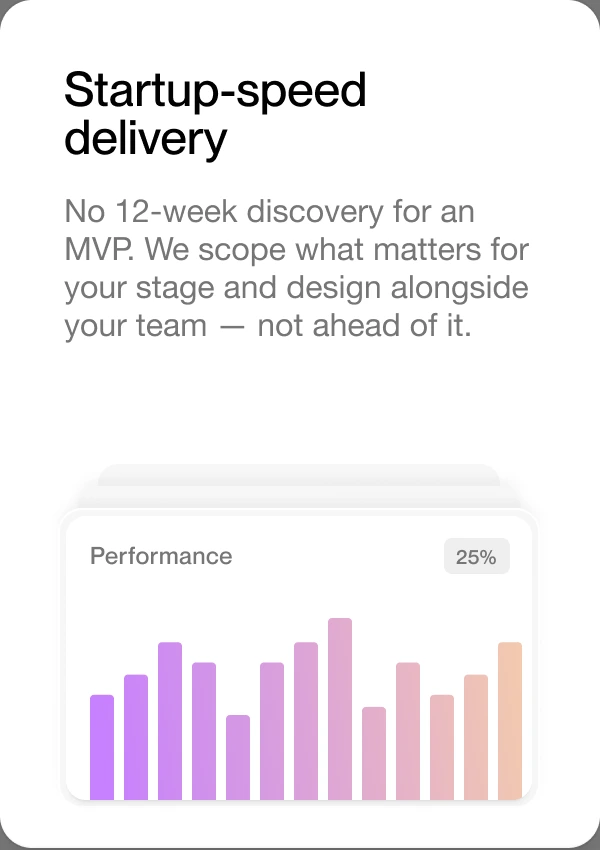
3 to 4 weeks
From kickoff to a prototype you can demo. Agencies often quote quarters.
$1B+
Raised by the startups we’ve designed for.
Week 1
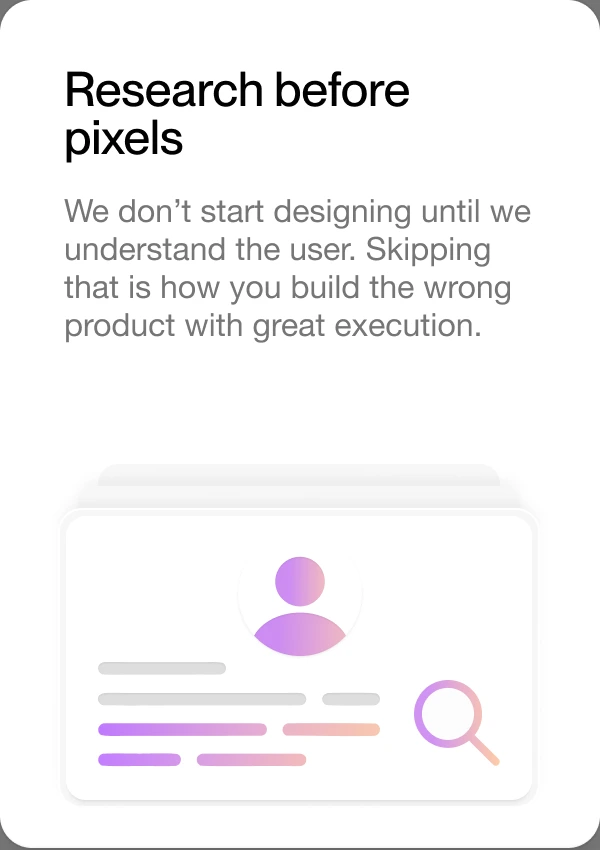
User research starts before the first screen, not after launch.
0 rebuilds
A design system that absorbs new features instead of breaking.
A freelancer can move fast too. A large agency scopes in quarters, and hiring a senior designer takes months.
Big agencies deliver investor-grade work too, on a timeline and budget most pre-seed teams don’t have yet.
Your own team knows the users best. The question is whether anyone there has time to talk to them this quarter.
An in-house team scales best long term. The catch is hiring it before you know what you’re actually building.
Faster to MVPReady for investorsBuilt to scale
The experience behind
every startup win
ActivationValidationDesignRetentionScale
What we design, mapped to your stage
Product design for startups isn’t one thing. What moves the needle at pre-seed is different from what you need at Series A, so we scope to the stage you’re actually in.
- Pre-Seed / MVP: Get to a product you can show. Three to four weeks from kickoff to a prototype you can put in front of users and investors. Need a working build instead? See MVP design.
- Seed / Growth: Turn early traction into retention. You have users. Now the job is making them come back and keeping the product coherent while the team ships faster.
- Series A / Scale: Make the product consistent and scalable. Three contractors, four design languages, one product. We audit, unify and hand your team a system they can build on.
How a Glow
sprint works
Six steps, three to four weeks, no twelve-week discovery phase.
Here’s exactly what happens.
1
Understanding Your Vision & Constraints
A structured kickoff on your product vision, target users, business model and real constraints: budget, timeline, team size and what’s already built. Startup design that ignores constraints isn’t useful.
DiscoveryUser Research & Assumption Testing
We find the riskiest assumptions, the things that must be true for the product to work, and test them the fastest way possible. That might be a five-user interview study or a clickable prototype in front of real prospects.
InsightInformation Architecture & Flow Design
Core user flows and information architecture are mapped before any visuals, so navigation matches how users think about the problem, not how the database is built.
StructureRapid Prototyping & Iteration
Wireframes get reviewed and iterated within days, not weeks. High-fidelity prototypes are built to the detail needed to test and hand off, no more and no less.
IterationUsability Testing
Real users from your audience test the prototype before engineers write code. For startups, this is where bad assumptions die cheaply.
ValidationDesign Handoff & Ongoing Support
Dev-ready specs, a documented component library and organized files your engineers can build from without daily questions. We stay available during development and can support iterations as you grow.
DeliveryWe design across
startup industries
The discipline doesn’t change, the domain does.
Explore how we work in your space.
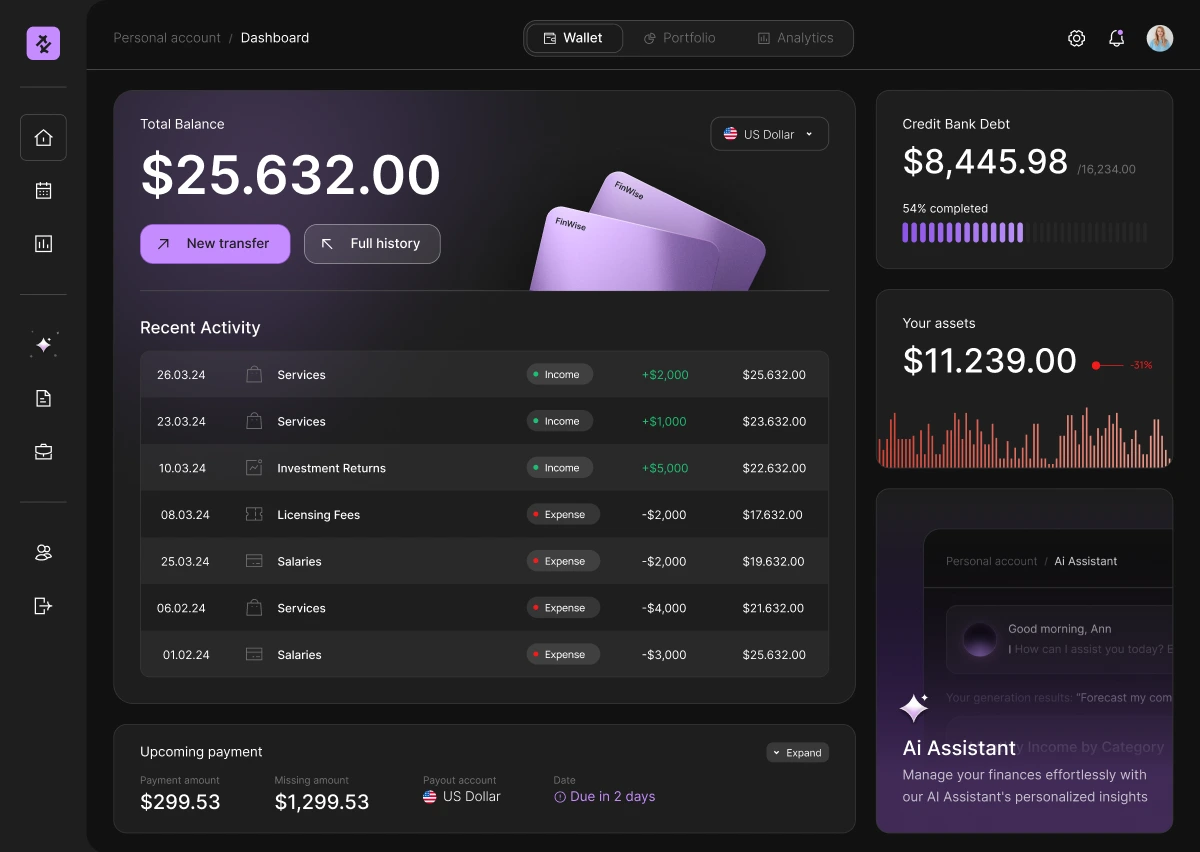
Fintech
Wallets, trading, payments and compliance-heavy flows.
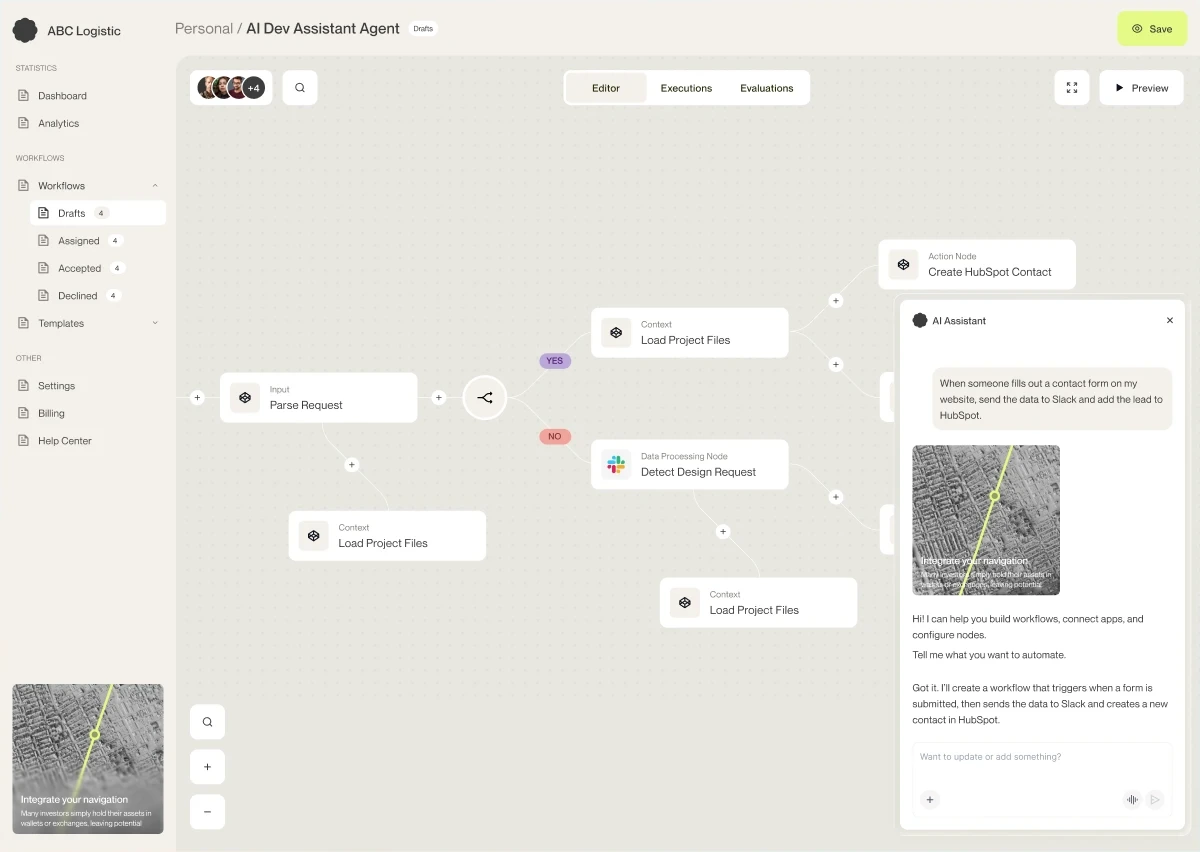
SaaS
Dashboards, admin panels and onboarding that survives feature creep.
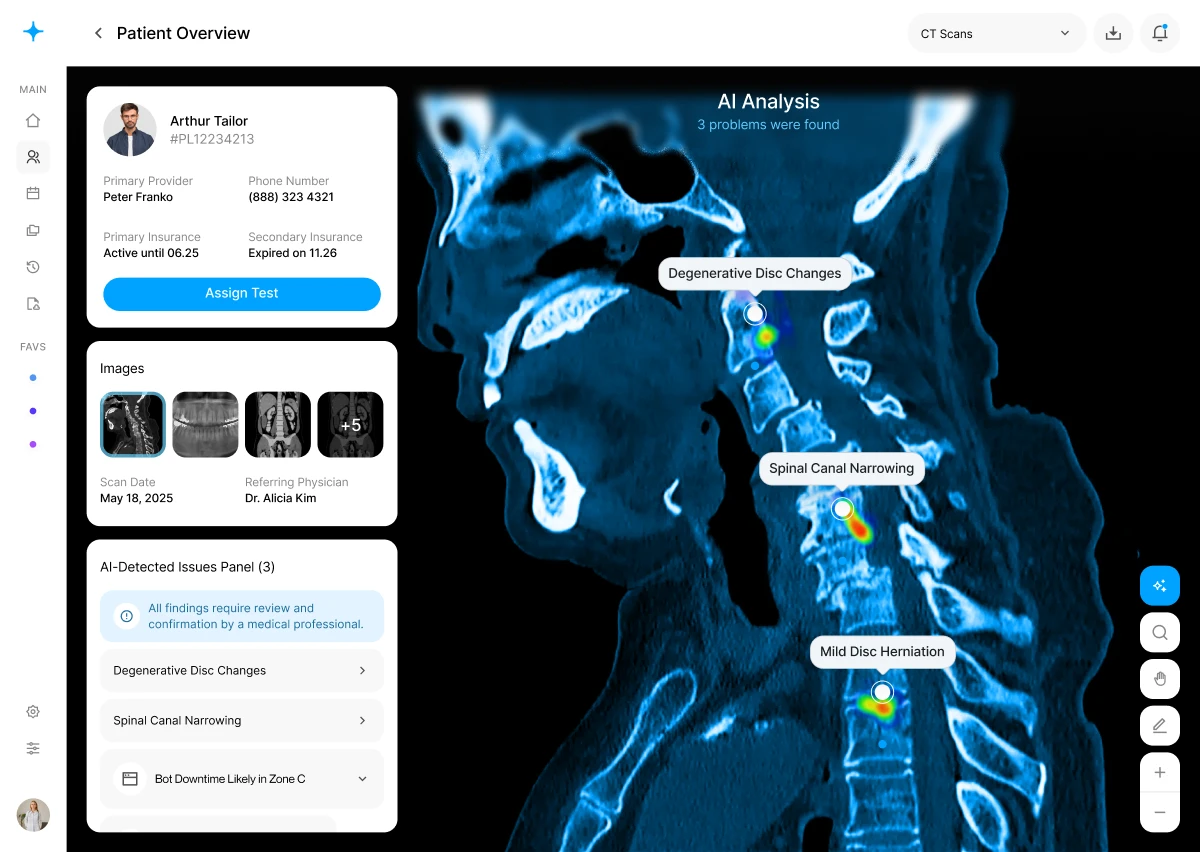
Healthtech
Clinical tools and patient apps built for real workflows.
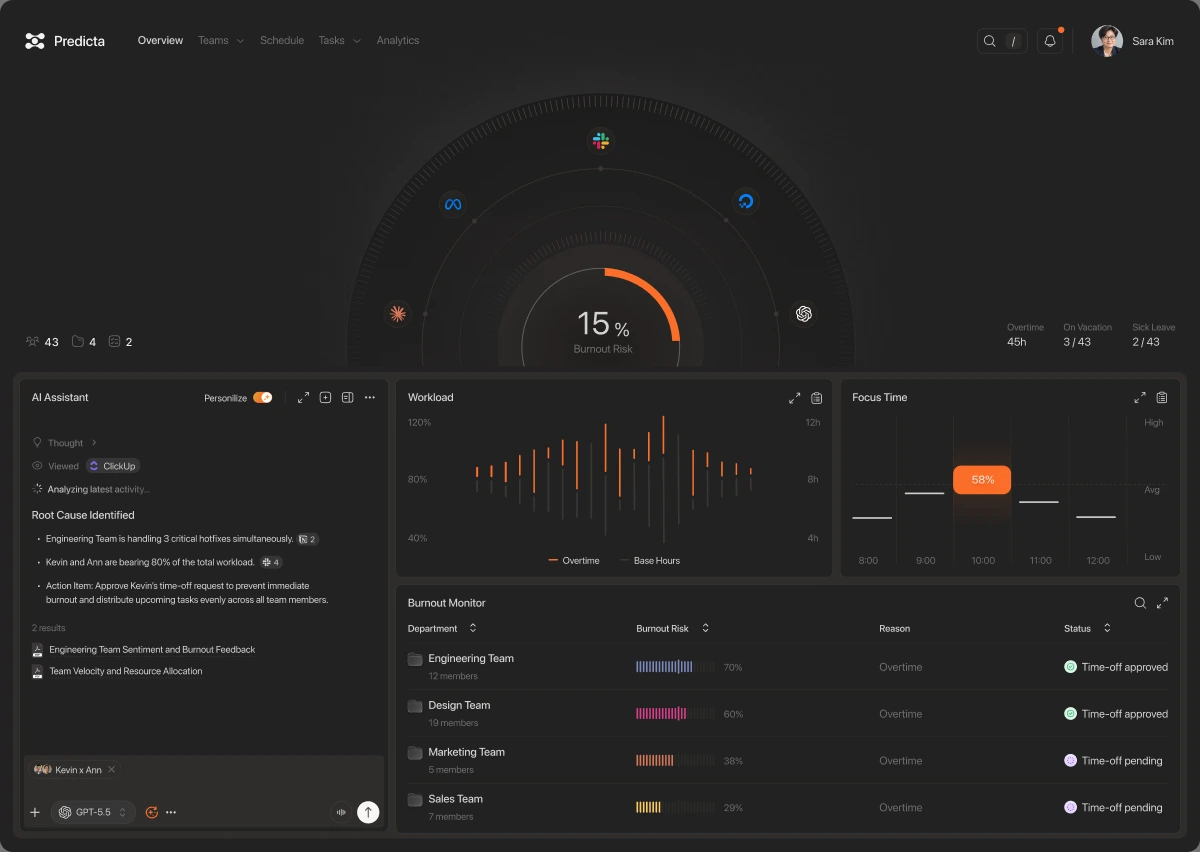
B2B Platforms
Multi-role permissions, dense data and workflows people live in all day.
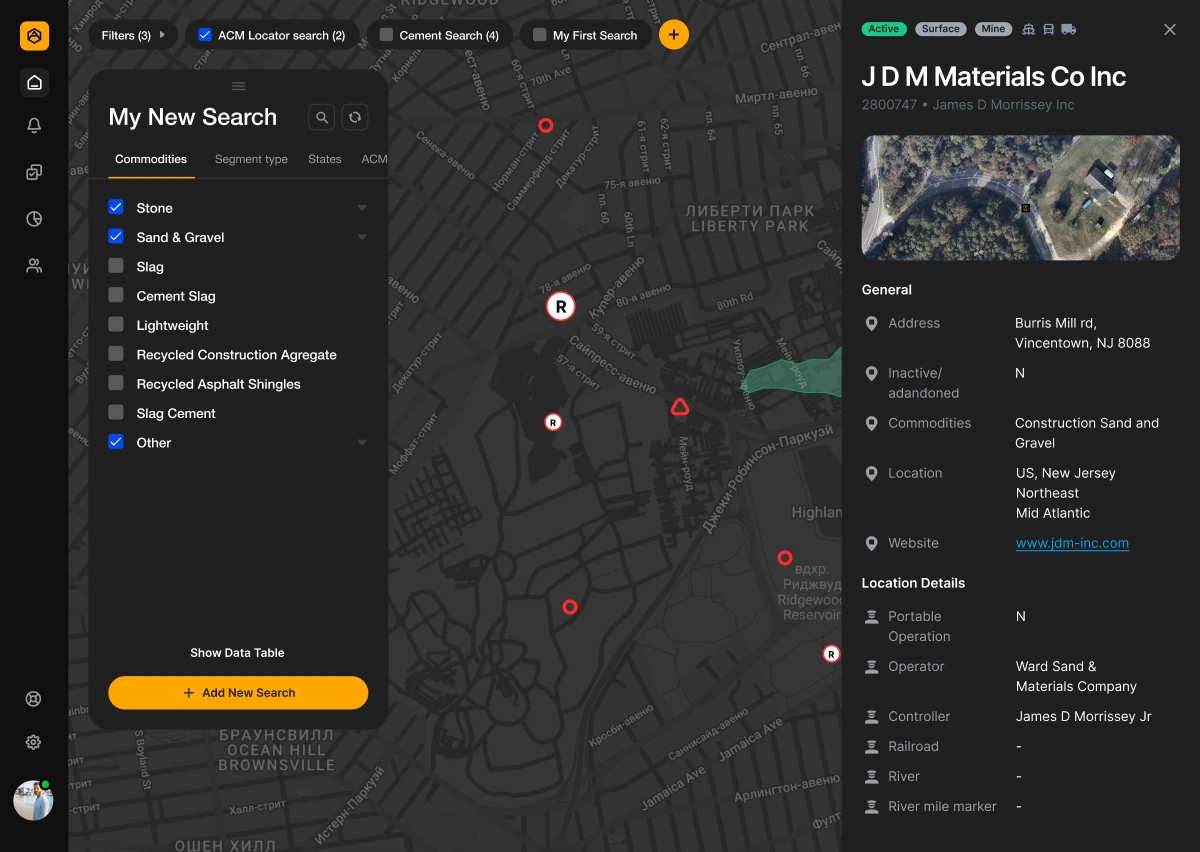
Logistics
Tracking, dispatch and operations screens that hold up on a phone in a truck.
AI products
Prompts, outputs and the moment a user decides whether to trust the model.
How we
actually work
We only put seniors on it
You get a PM, a lead designer and specialists who’ve shipped in your domain. No juniors learning on your budget.
We work in sprints
Fixed cycles, each ending in a demo you can react to. You always know what’s being built and when it lands.
We already know your domain
Fintech, SaaS, healthtech, logistics. We skip the six-week ramp-up and start asking useful questions in week one.
We don’t disappear after handoff
Workshops, feedback rounds and post-release improvements. Launch is a milestone, not the end of the engagement.
We design what can be built
We walk your engineers through the work before anything is final. Our files ship. They don’t start an argument.
We’ll tell you when you’re wrong
Honest is more useful than agreeable. If a feature won’t work, you hear it from us before it’s in the sprint.
We use AI to cut delays
Not corners. Faster sprints, sharper insights and less of your budget spent on work a tool can do faster.
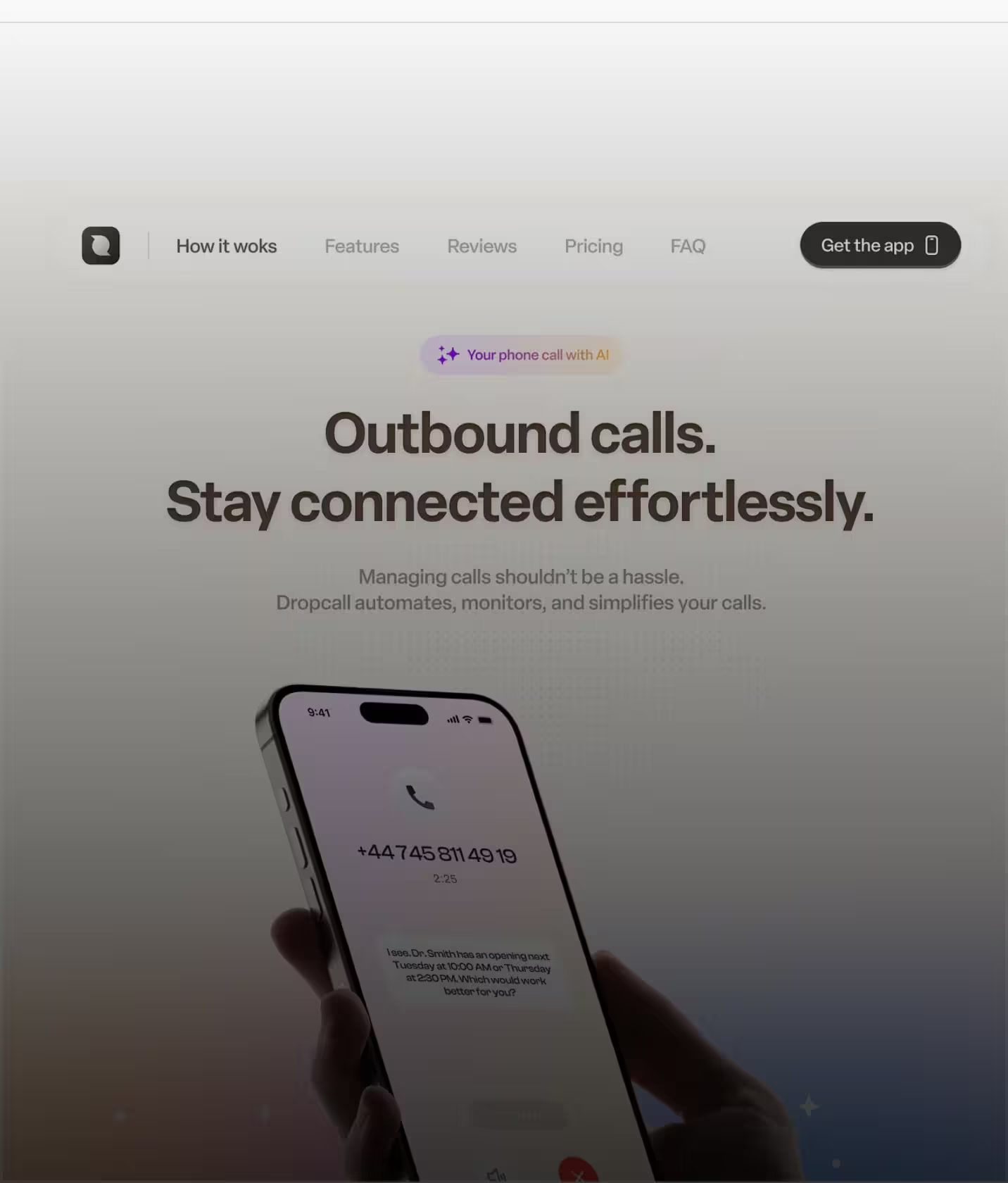
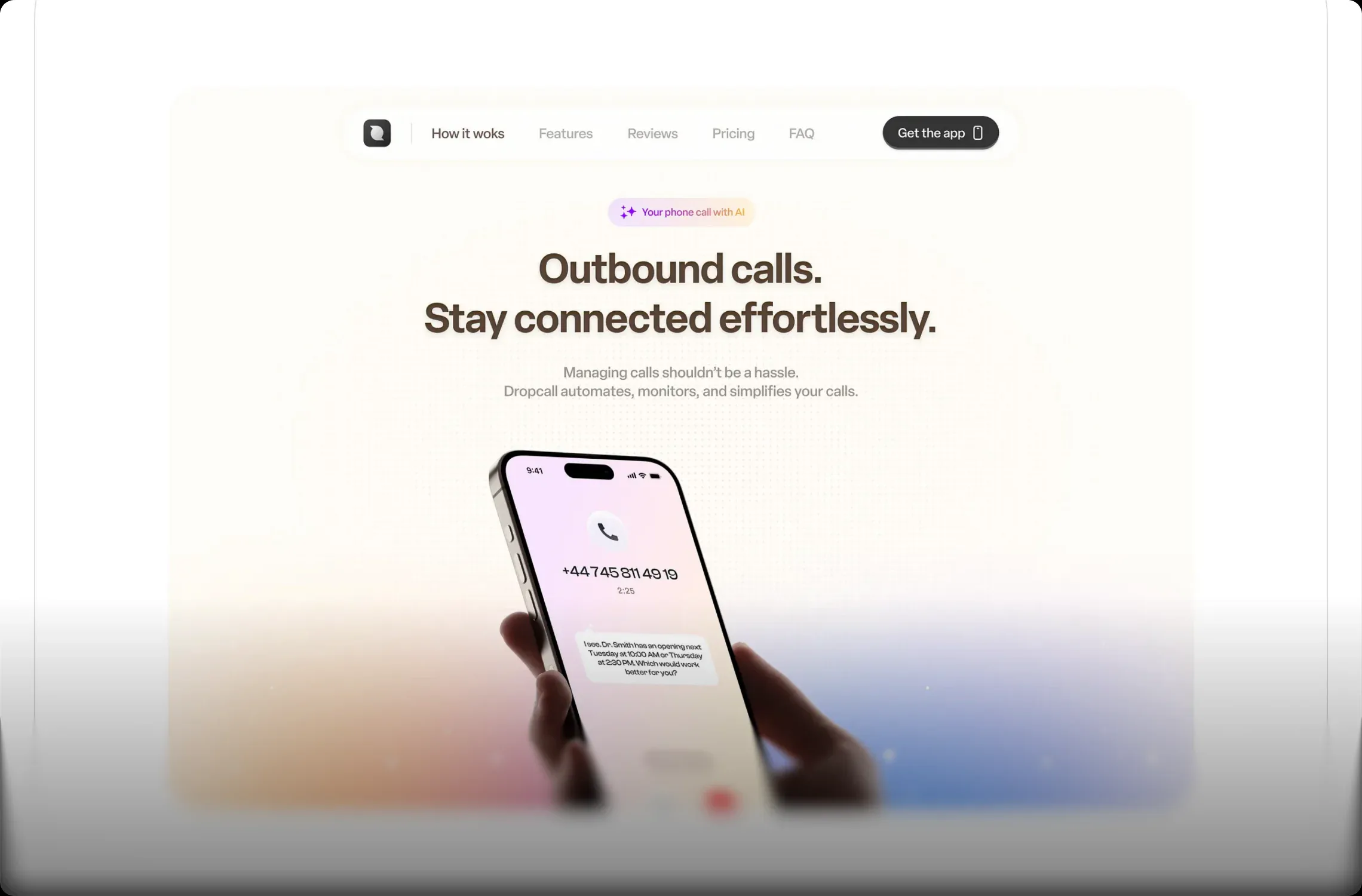
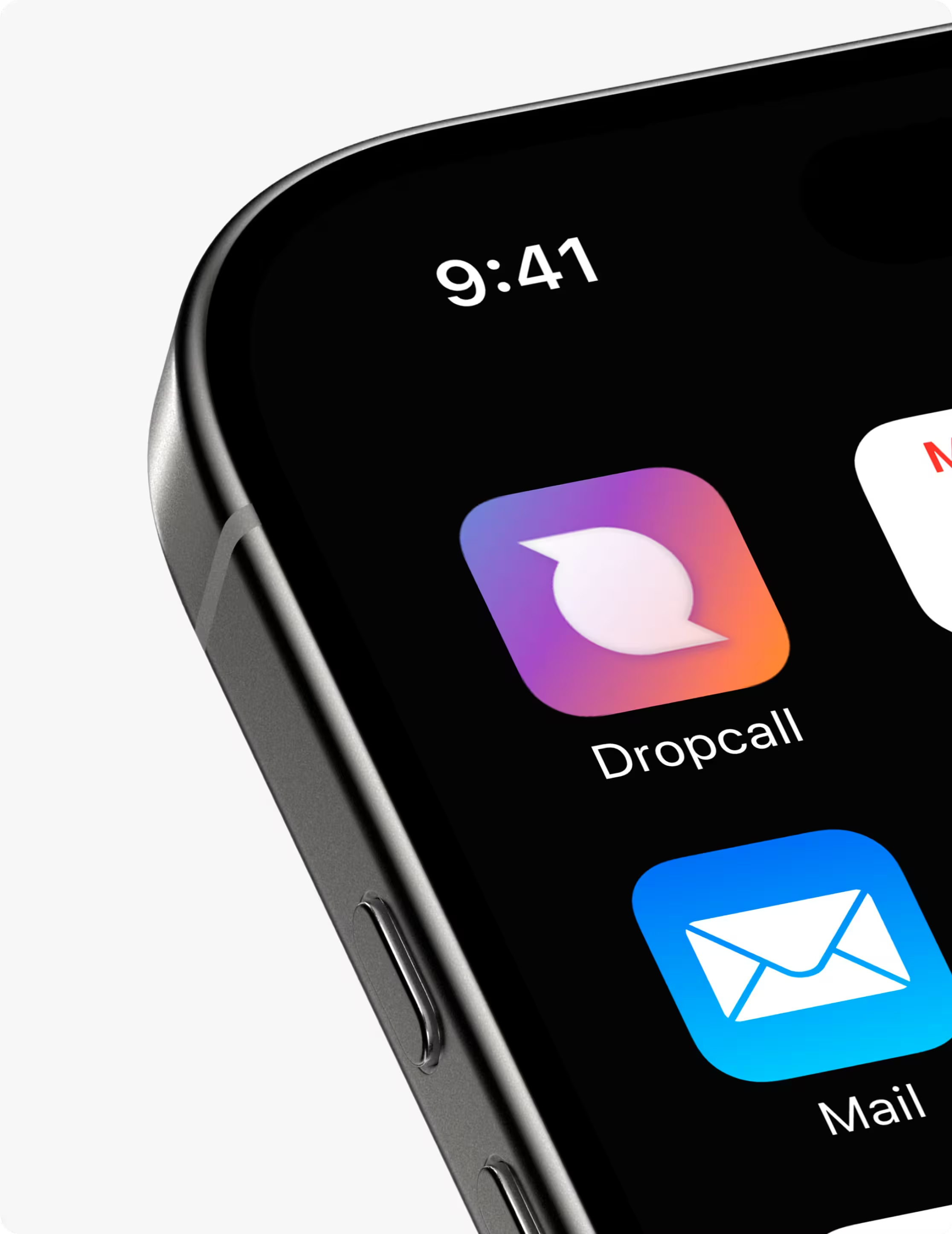
“About a week ago, we went a bit viral with 10k users in 2 days and we received a lot of positive feedback about the design - so thank you Glow for that!”


Israel Benarousse
CEO, Dropcall
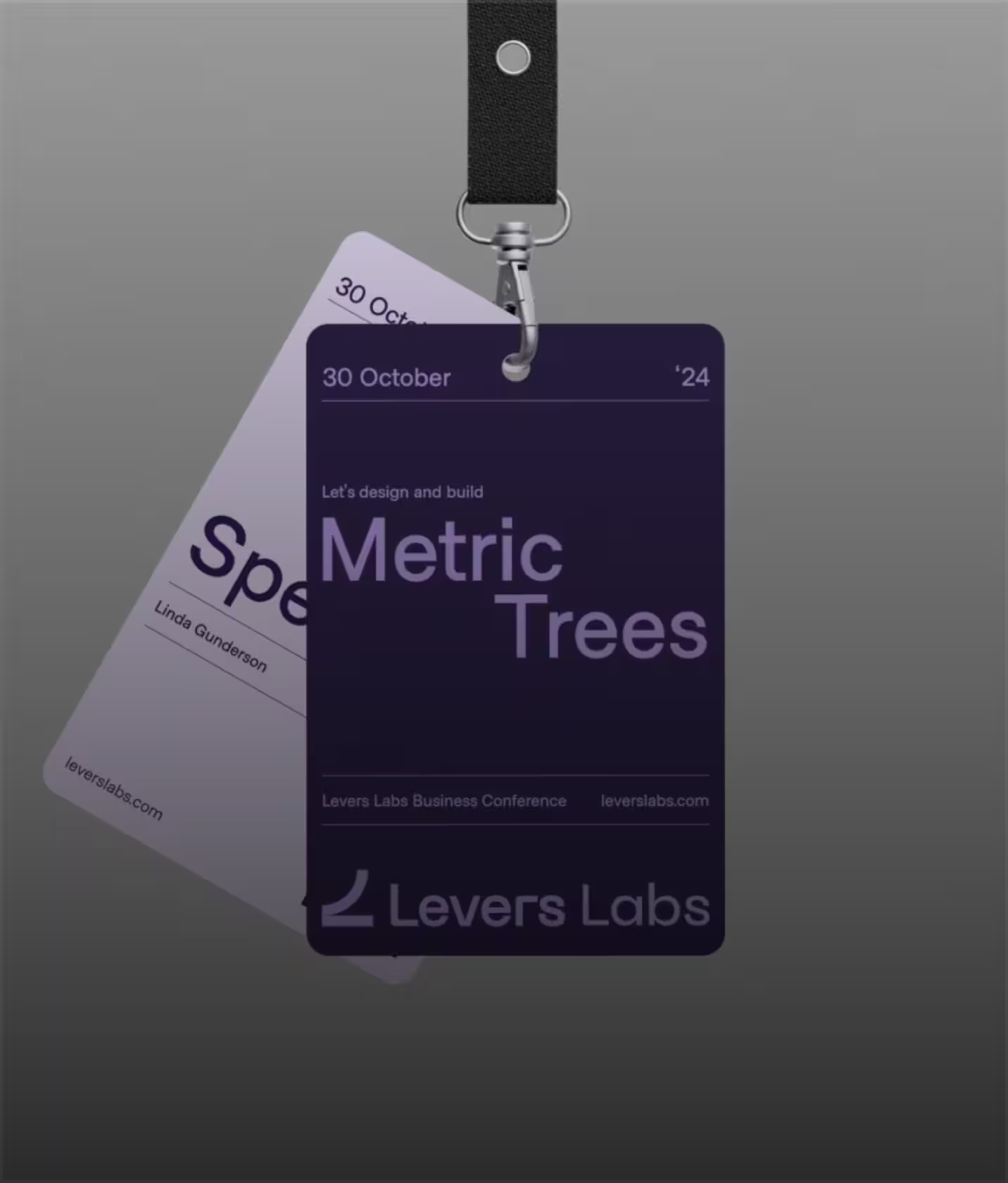
“Glow Design Agency delivered high-quality UX/UI designs that enabled the client to close more deals. Their animated video and design gained the client almost 500+ new LinkedIn followers. The team executed work on time and within budget.


Doug Marinaro
CEO, Riptide
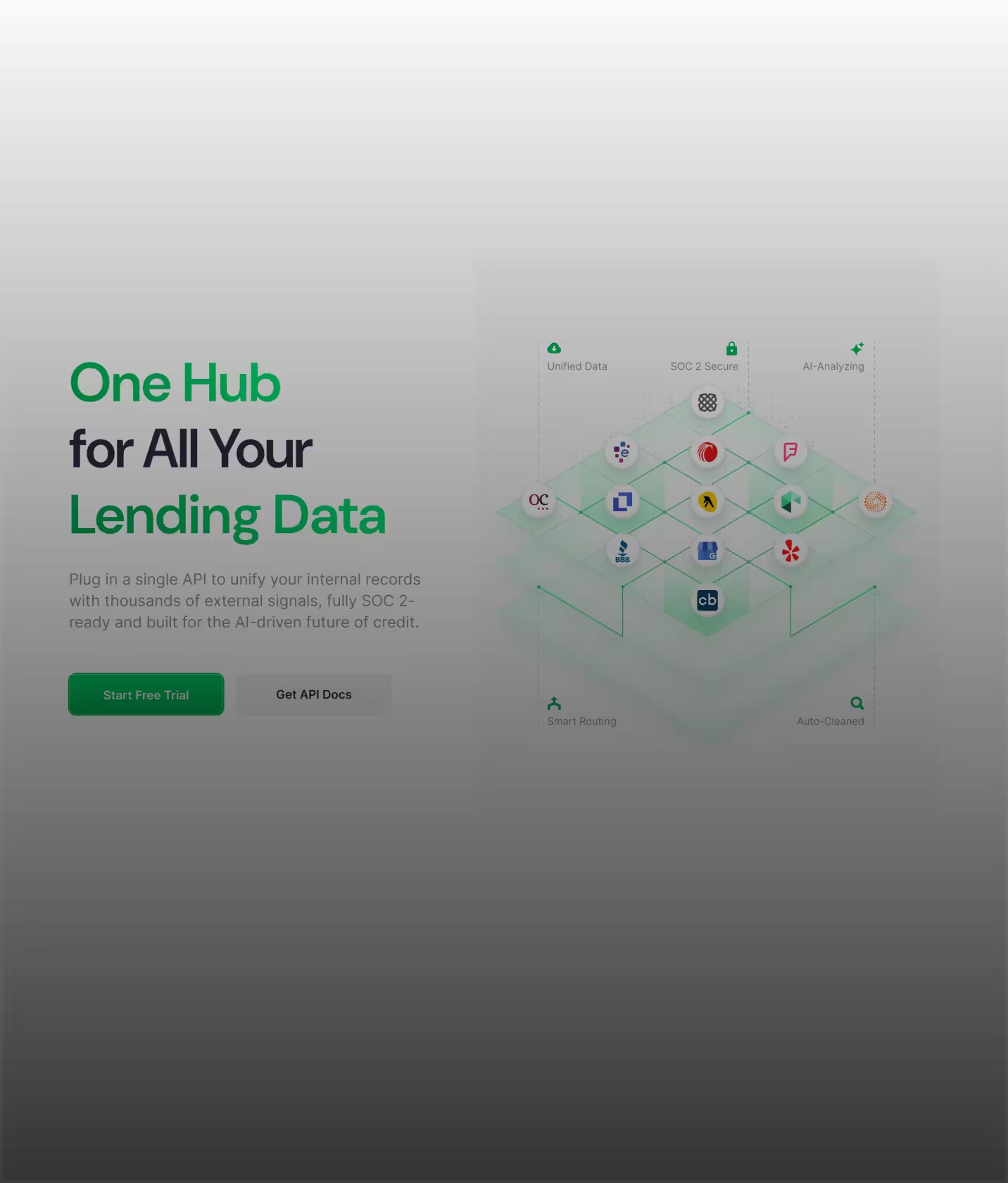
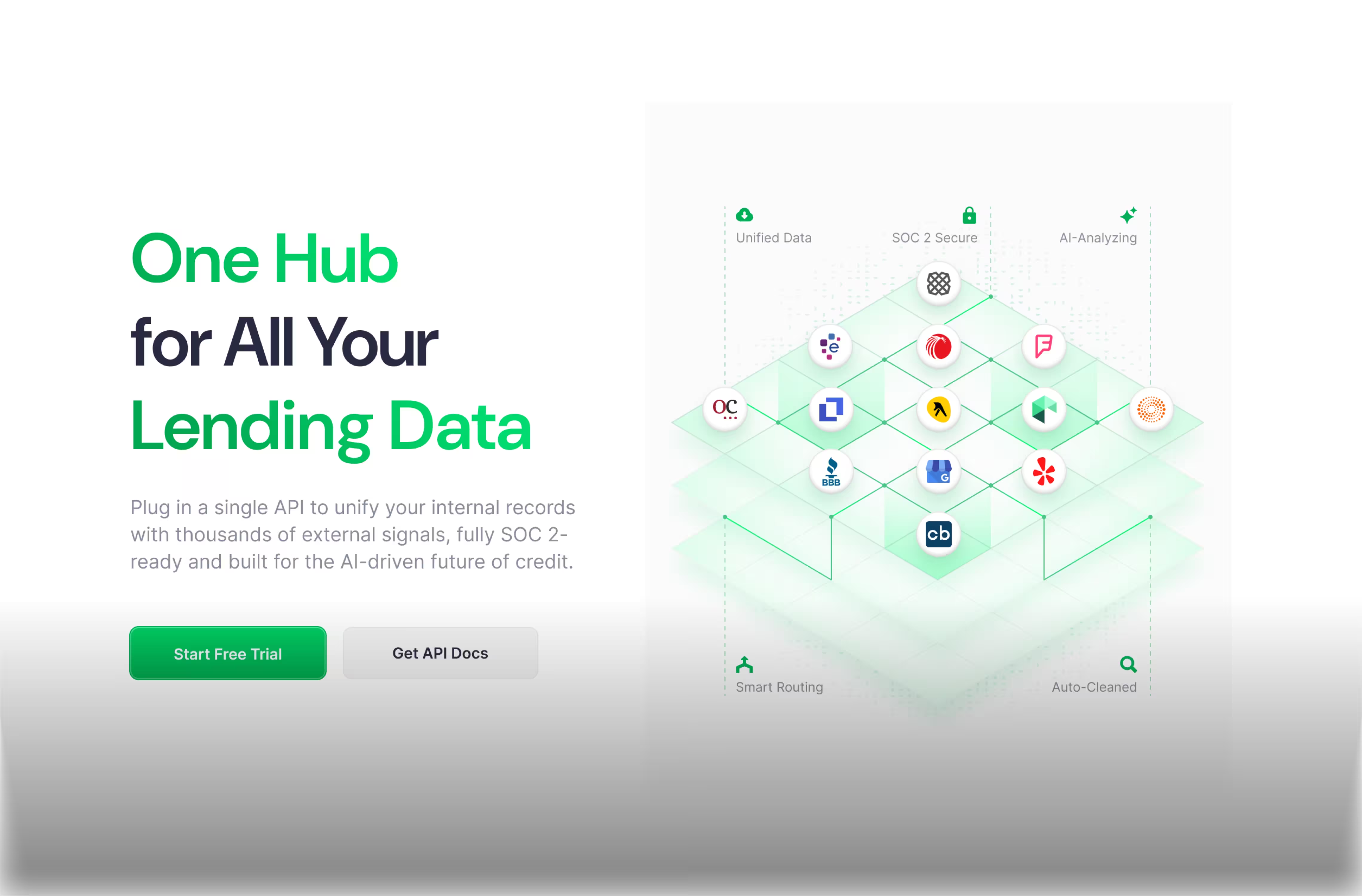
"The design work provided by Glow Design Agency completely exceeded project stakeholder expectations in terms of both quality and delivery. Their team was organized and communicative throughout the process, breaking down complex industry concepts and translating them into a sleek and useable UI."


Jon Fry
CEO & Founder at Lendflow (YC W21)
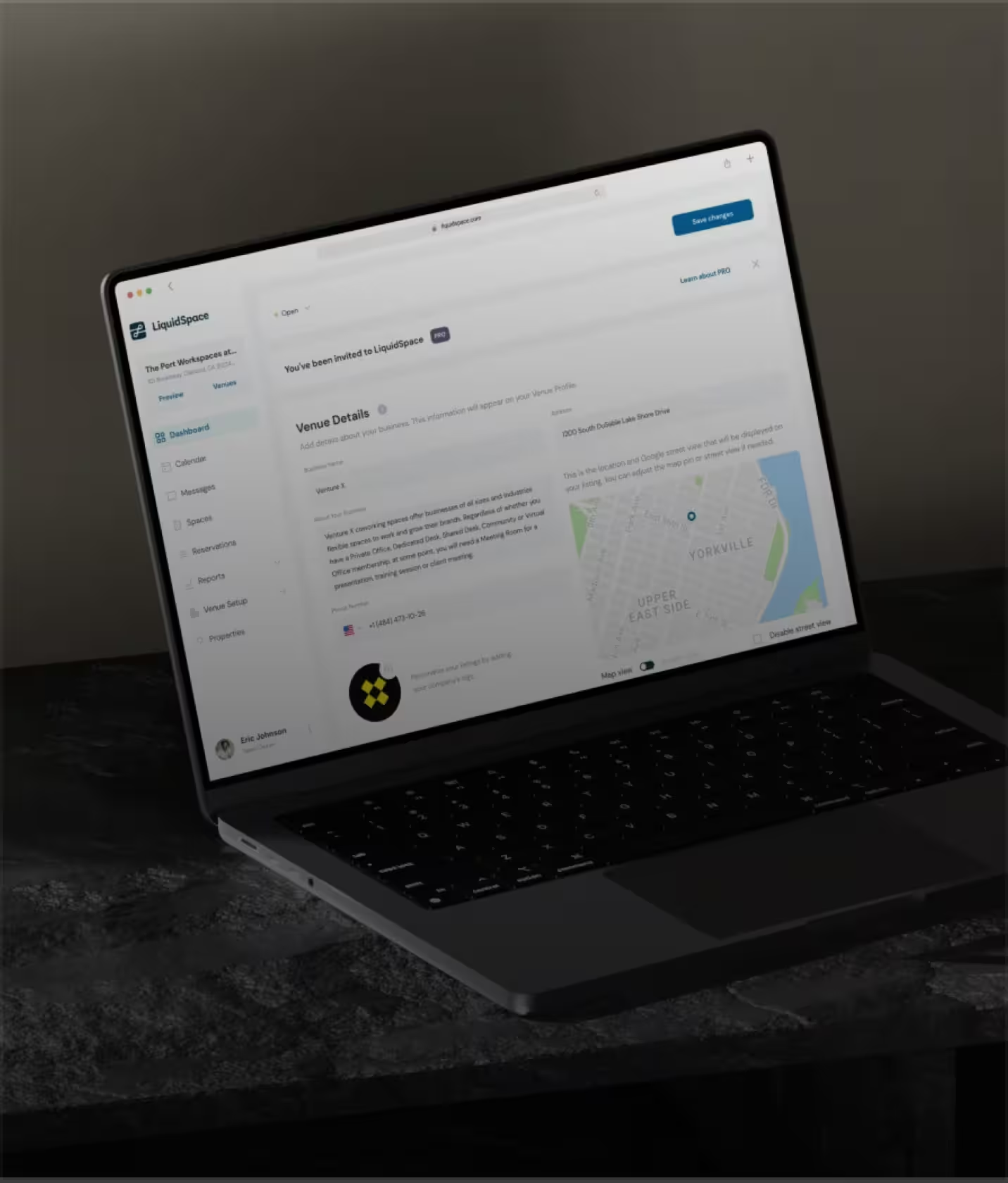
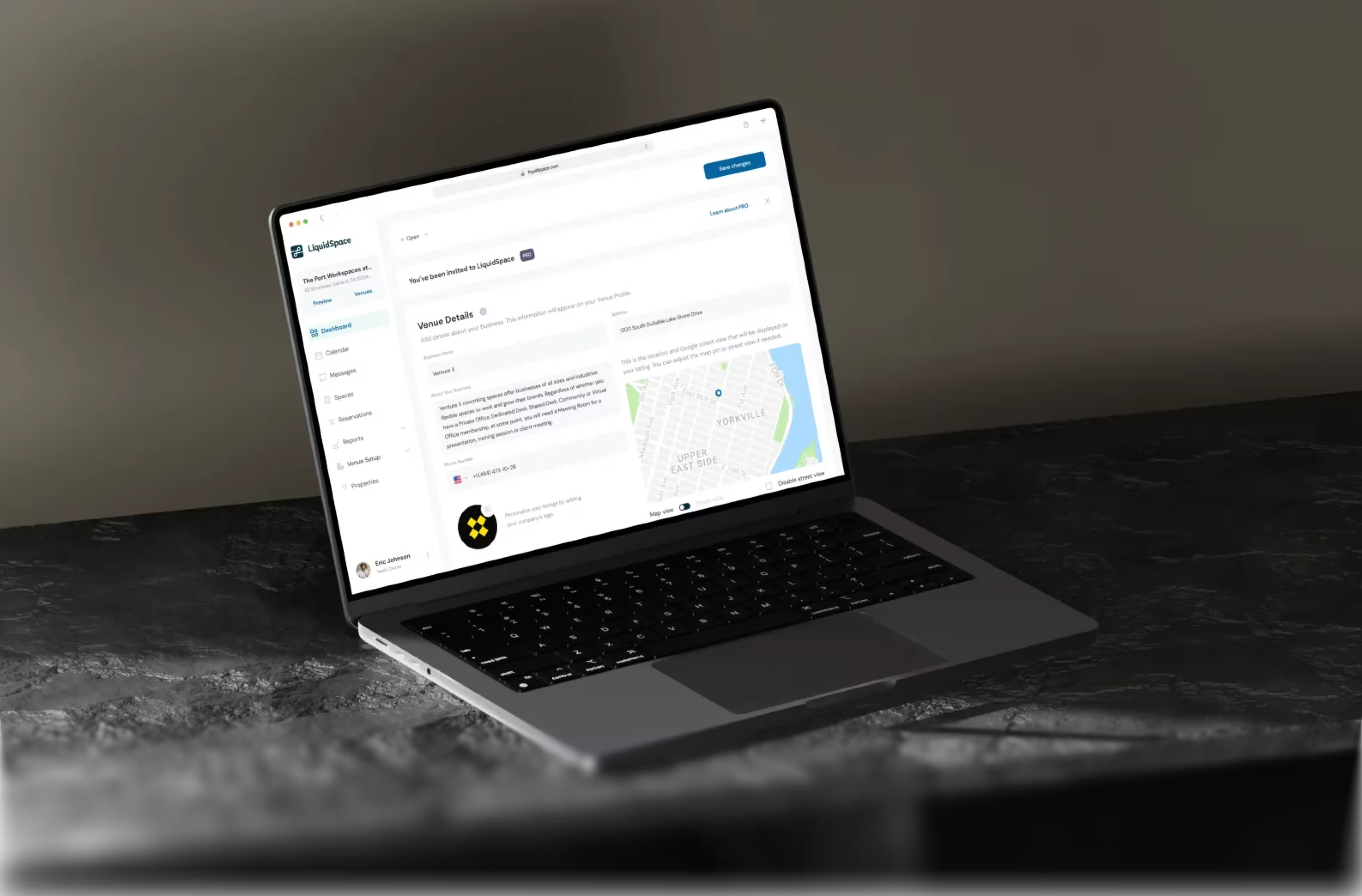
"Glow Design provided UI/UX design for a office space provider and has since expanded their role to include design updates for the site's front- and backend as well as social media visuals and animations."


Eric Zellhart
VP Product at LiquidSpace
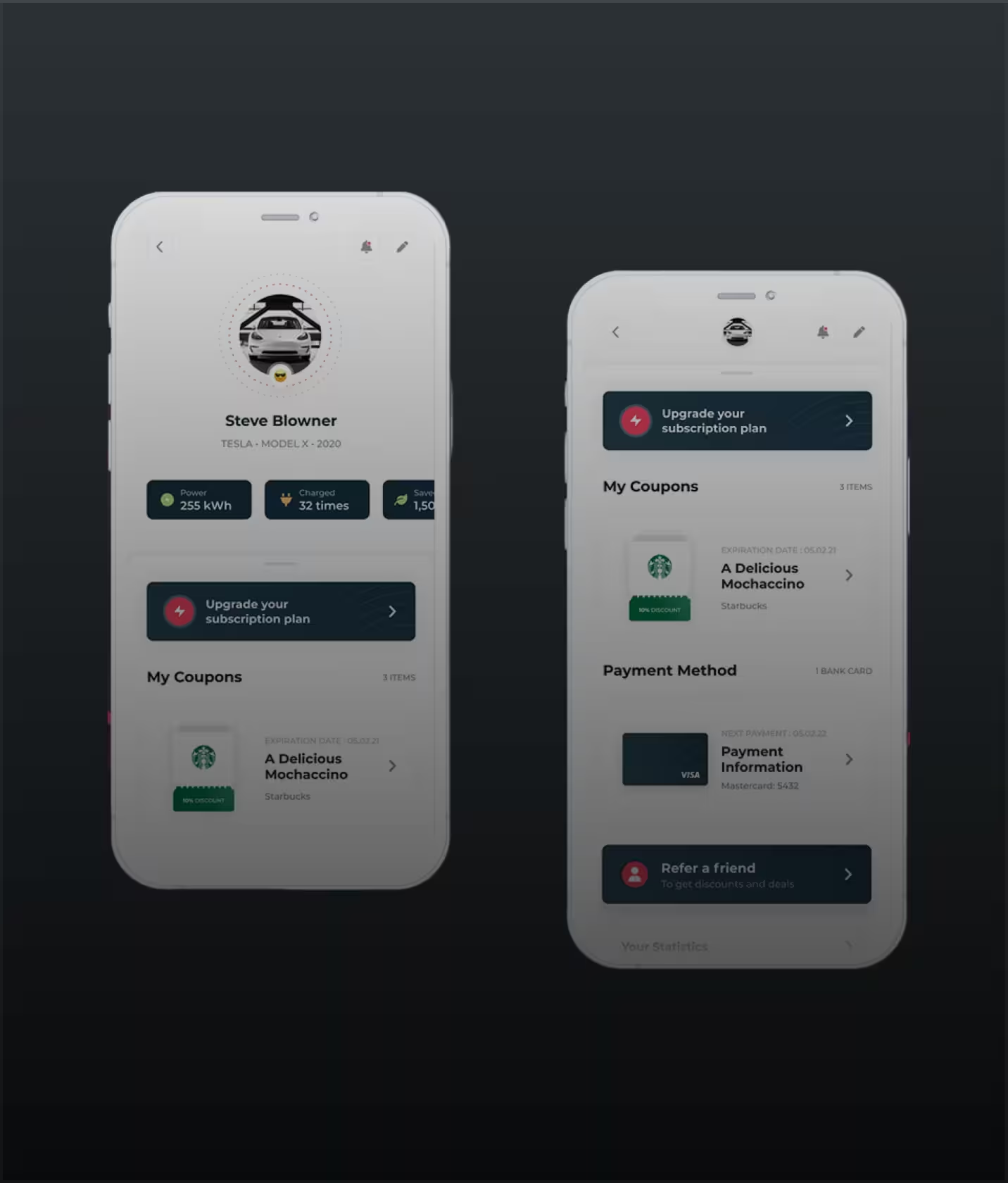
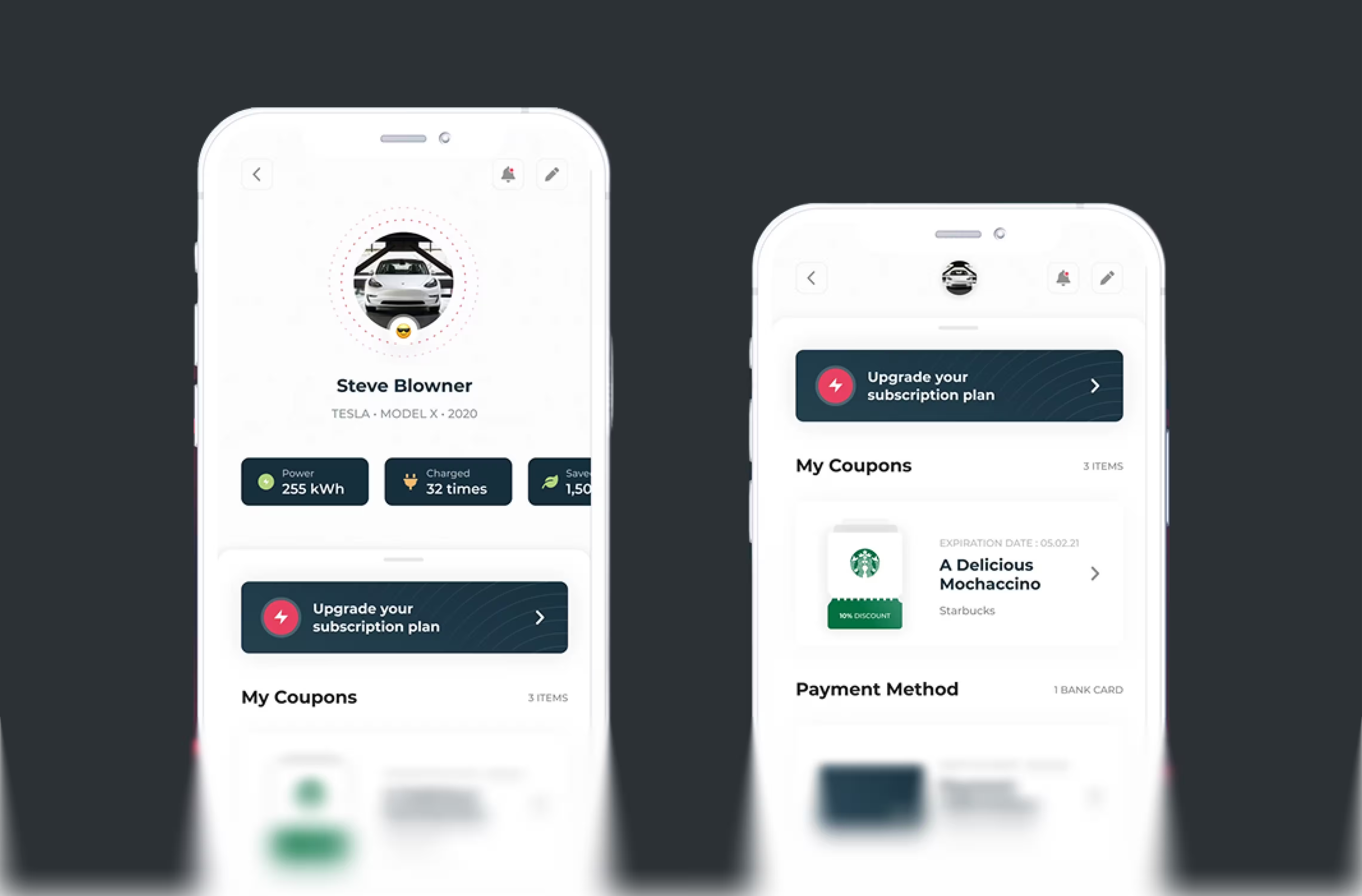
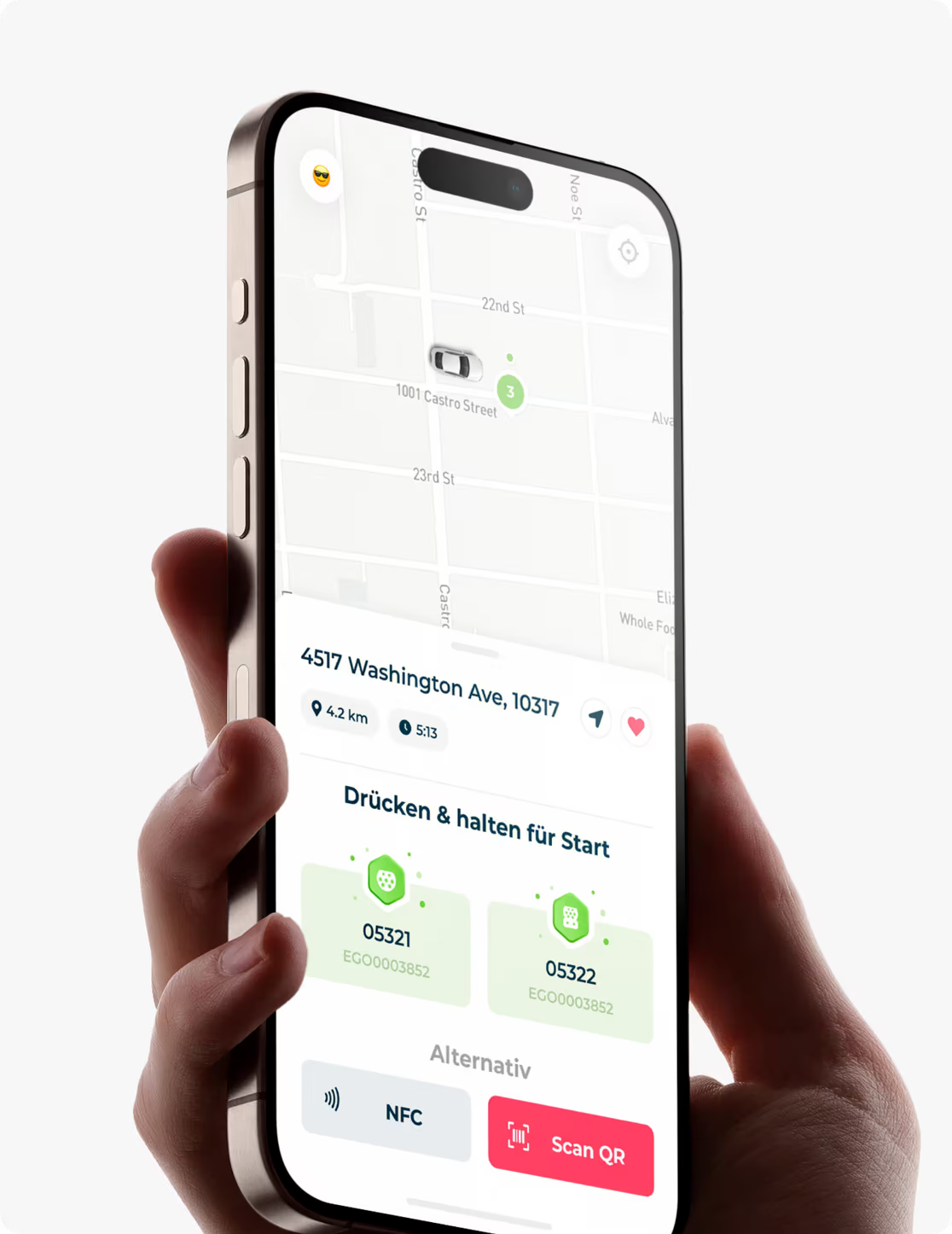
"Glow Design Agency provided UI and UX design services for e-cars charging market company. They were tasked with designing the UX and UI of the app's prototype."


Max Grollmann
Managing Director
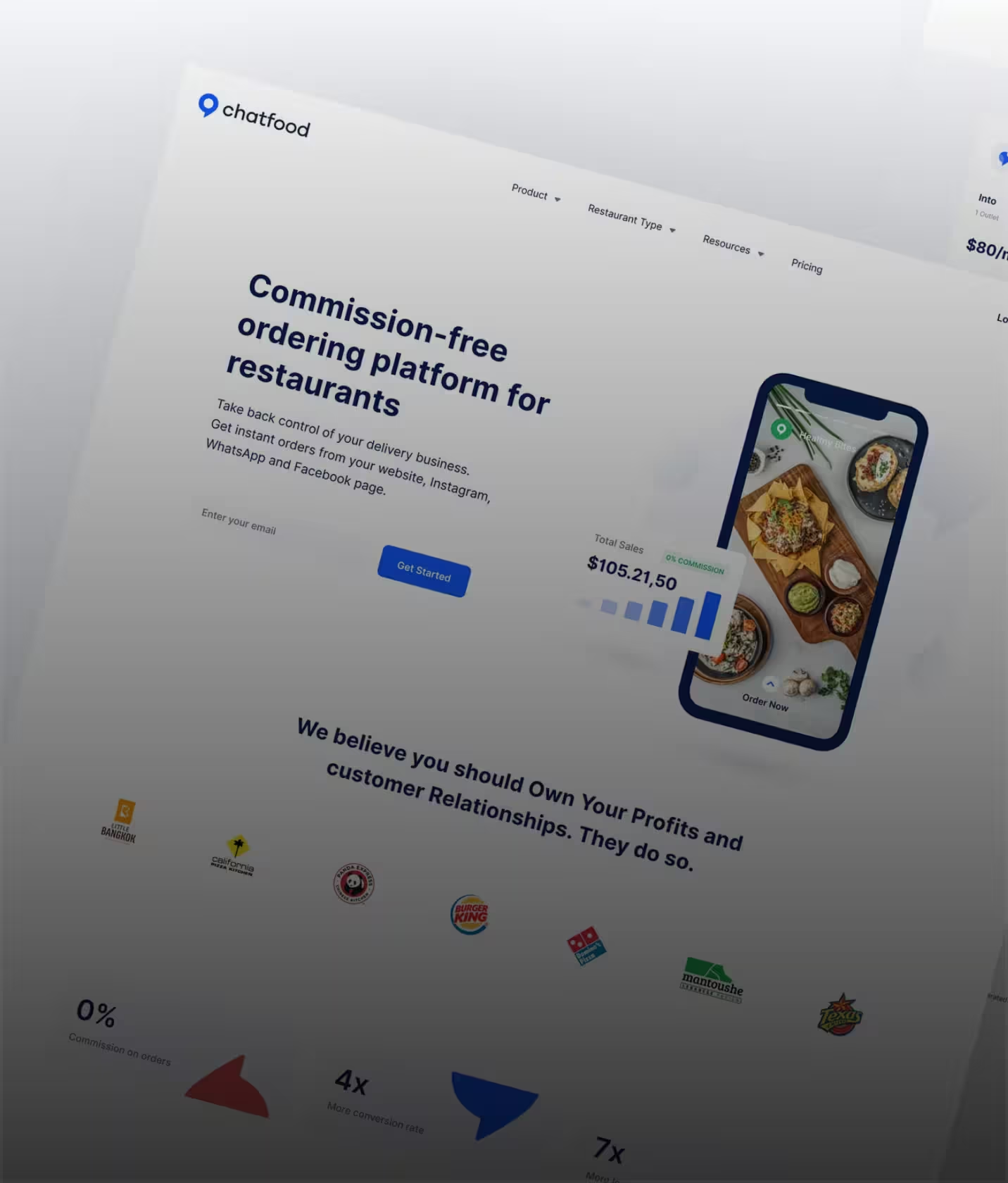
"Glow was hired by an e-commerce platform for their UI/UX design services. They redesigned website and provided support. After the new website was launched, the client saw a significant increase in conversions."

.jpeg)
Vinicius Rodrigues
CTO at E-Commerce Platform
Two founders, a clear idea and nothing to show. In three weeks we ran user interviews, designed the core flow and built a prototype real enough to demo. They closed their pre-seed with it and onboarded their first 50 beta users.
Pre-seed closed · 50 beta users
A SaaS startup was winning signups and losing 71% of them before activation. We audited the funnel, cut onboarding steps and moved the first moment of value much earlier. Activation nearly doubled in the next cohort.
+88% activation rate
Three contractors had built one product, and it showed. Ahead of the Series A, we audited every screen, built one design system and rebuilt the core flows on it. That’s the product they took into the raise.
Series A design · consistent product
Why founders
pick Glow as their startup design agency
We’ve worked with startups from pre-seed through Series A. Here’s what founders say makes the difference.



Frequently
asked questions
When should a startup invest in UX/UI design?
Before you build. The most common mistake is building first, struggling with adoption and only then calling a designer. Fixing a built product costs more than designing it right before engineering starts. Even basic UX design for startups, like user flows, a wireframe and a prototype to test, changes what gets built. At minimum, bring in a designer before your first sprint.
Before you build. The most common mistake is building first, struggling with adoption and only then calling a designer. Fixing a built product costs more than designing it right before engineering starts. Even basic UX design for startups, like user flows, a wireframe and a prototype to test, changes what gets built. At minimum, bring in a designer before your first sprint.
How much does startup UX/UI design cost?
Our MVP design package is a fixed $12,500 for four weeks and ends with a working build. Ongoing product work runs on a design retainer at $12,000 a month with a PM, a design lead and a senior designer. Larger scopes get a transparent estimate after a first call, and you can start with a free 3-day trial.
Our MVP design package is a fixed $12,500 for four weeks and ends with a working build. Ongoing product work runs on a design retainer at $12,000 a month with a PM, a design lead and a senior designer. Larger scopes get a transparent estimate after a first call, and you can start with a free 3-day trial.
Can you design an MVP quickly?
Yes. A focused MVP design sprint takes 3 to 4 weeks: research or a synthesis of what you already know, core flow design and a high-fidelity prototype. The goal is the minimum needed to test with real users or pitch investors with confidence. Speed comes from scope discipline, not shortcuts on quality.
Yes. A focused MVP design sprint takes 3 to 4 weeks: research or a synthesis of what you already know, core flow design and a high-fidelity prototype. The goal is the minimum needed to test with real users or pitch investors with confidence. Speed comes from scope discipline, not shortcuts on quality.
Do you work with non-technical founders?
All the time. Many founders bring deep domain expertise but are new to product design. Part of our job is making the process clear: explaining decisions, involving you in the right choices and producing files your engineers can use whatever your background.
All the time. Many founders bring deep domain expertise but are new to product design. Part of our job is making the process clear: explaining decisions, involving you in the right choices and producing files your engineers can use whatever your background.
What do we actually receive at the end of a startup design engagement?
At minimum: annotated Figma files organized by user flow, a component library with documented states, a prototype you can demo and a handoff document your engineers can build from. Longer engagements add research findings, journey maps and a design system with usage guidelines. Everything is yours, with no lock-in.
At minimum: annotated Figma files organized by user flow, a component library with documented states, a prototype you can demo and a handoff document your engineers can build from. Longer engagements add research findings, journey maps and a design system with usage guidelines. Everything is yours, with no lock-in.
Can you help us redesign a product that already launched?
Yes, and it’s common. We start with a UX audit of the live product, review analytics and user feedback and build the redesign on that evidence, without disorienting people who already know how the product works.
Yes, and it’s common. We start with a UX audit of the live product, review analytics and user feedback and build the redesign on that evidence, without disorienting people who already know how the product works.