We research before we design
Assumptions about financial behavior are expensive, so we replace them with evidence from user research before opening a design tool.

Users judge a financial product in seconds. As a fintech design agency, we design apps where every screen earns trust, keeps compliance clean and moves people to the next step, without slowing your team down.


Financial products are different. When a payment, KYC step or dashboard fails, users don’t just get annoyed.
They leave, and they don’t come back.
Good fintech design isn’t about polish. It’s about making people feel safe enough to hand over their money, their data and their trust.
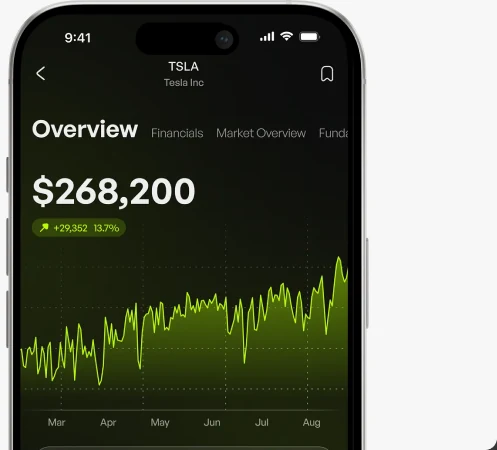
If someone can’t figure out your payment flow or KYC step, they don’t blame themselves. They blame you. In fintech, confusion and distrust are the same thing.
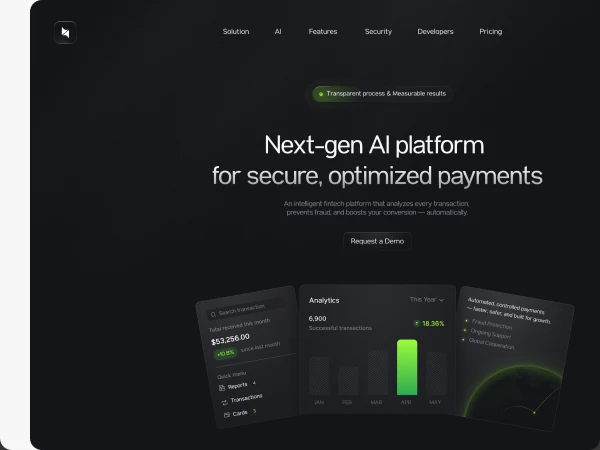
KYC, AML and PSD2 exist for good reasons, but they don’t have to wreck the experience. Good fintech UX design makes the required steps feel like part of the product.
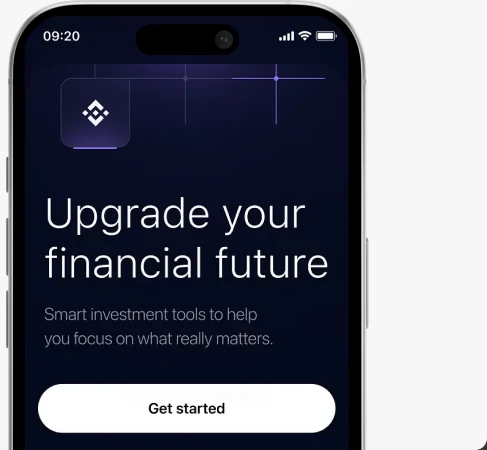
Identity checks, bank linking, risk profiling: fintech onboarding asks a lot. Every extra step or unclear instruction costs you a user you already paid to acquire.
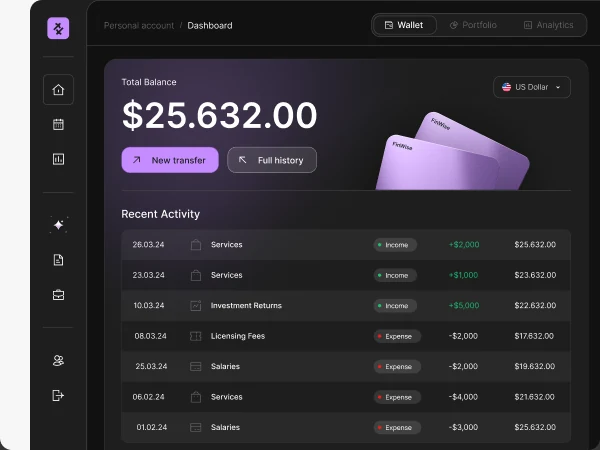
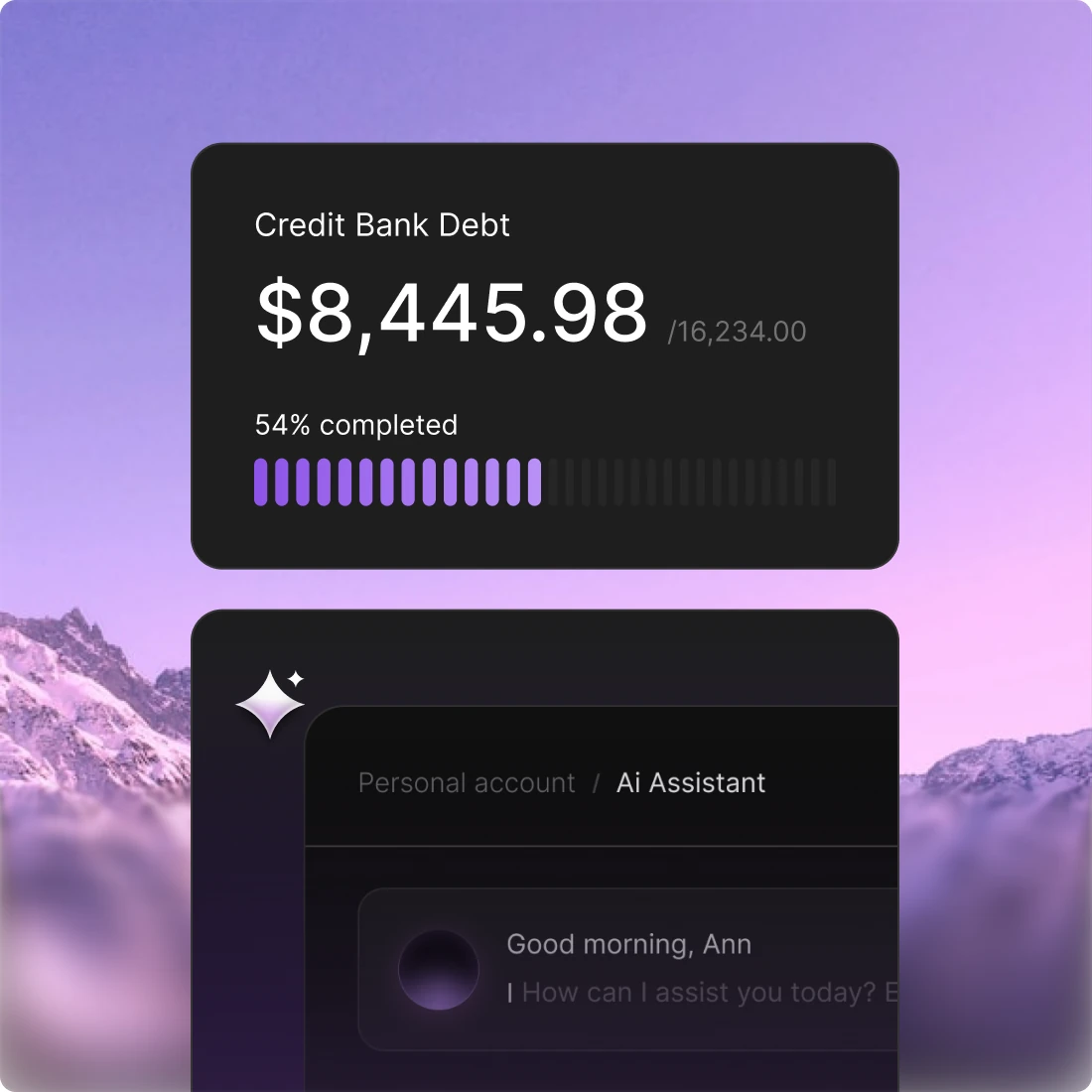
Showing a portfolio or transaction history isn’t enough. People need to understand what it means and what to do next. Good fintech dashboard design turns data into decisions.
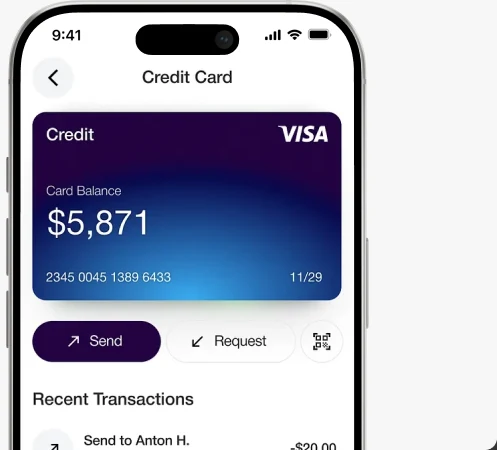
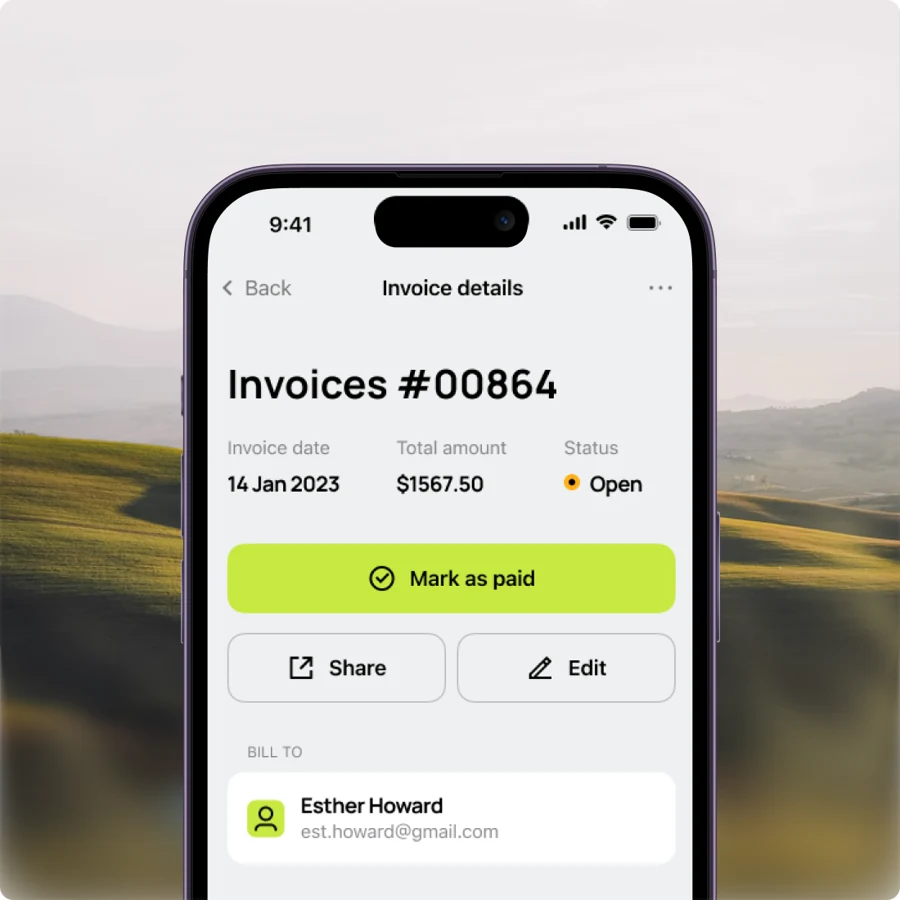
People check balances, approve payments and review investments on their phones. Fintech UI design that isn’t mobile-first is designed for the wrong context.
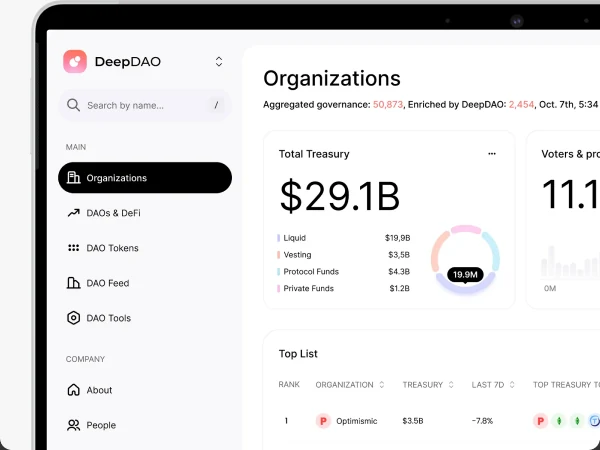
You can spend millions bringing users to the app. If the experience doesn’t hold up, they churn by day 7 and the CAC is gone. Retention starts in the product.
Interviews, analytics and competitor reviews that show how your users really handle money: where they hesitate, what they double-check and what makes them trust a screen.
Clean interfaces that signal competence across banking apps, payment platforms, trading tools and financial dashboards. Every visual detail has to earn its place.

Portfolios, spend analytics, account overviews and transaction histories that show the right information at the right depth, without overwhelming people.
A documented, dev-ready component library built for your financial product. One source of truth for every screen you ship.
Fintech mobile app design for iOS and Android: biometric login, card controls, transfers and alerts designed for one hand and a few seconds of attention. More on our mobile app design.
Identity verification, document upload and bank linking with clear instructions, helpful error states and progress people can see, so more users finish verification on the first try.
Our process was built for financial products, not adapted from a general design playbook.
We learn your product, users and market, including the regulatory environment. Which requirements shape the product, where competitors win or lose on experience, and what users say when they’re frustrated.
Research reportPersonas grounded in real financial behavior, not marketing archetypes. A first-time investor thinks about money differently from an active trader, and a business owner running payroll differently from both.
Personas & journeysThe full product structure, mapped before anything is designed. In fintech, a confusing account hierarchy or permission model doesn’t just frustrate users, it creates legal exposure.
Sitemap & flowsWireframes lock in the flow logic. High-fidelity prototypes let you walk through every critical scenario, from payment confirmation to KYC rejection and two-factor authentication, before engineers write code.
Clickable prototypeSessions with people who bank, invest or transact the way your users do, not generic panels. Everything is recorded, and you get a prioritized list of what to fix and why.
Prioritized fixesDev-ready specs, annotated components and a maintainable design system. We stay available through development, especially on compliance-sensitive screens where “close enough” isn’t good enough.
Dev-ready handoffA lot of design agencies say they do fintech. Here’s what it means for us.
Assumptions about financial behavior are expensive, so we replace them with evidence from user research before opening a design tool.
Success metrics are agreed before work starts. We track completion rates, drop-off points and conversion, so you know what changed and why.

Regulatory requirements, security patterns and trust signals are part of the design from day one, not a fix after your compliance team flags a problem.

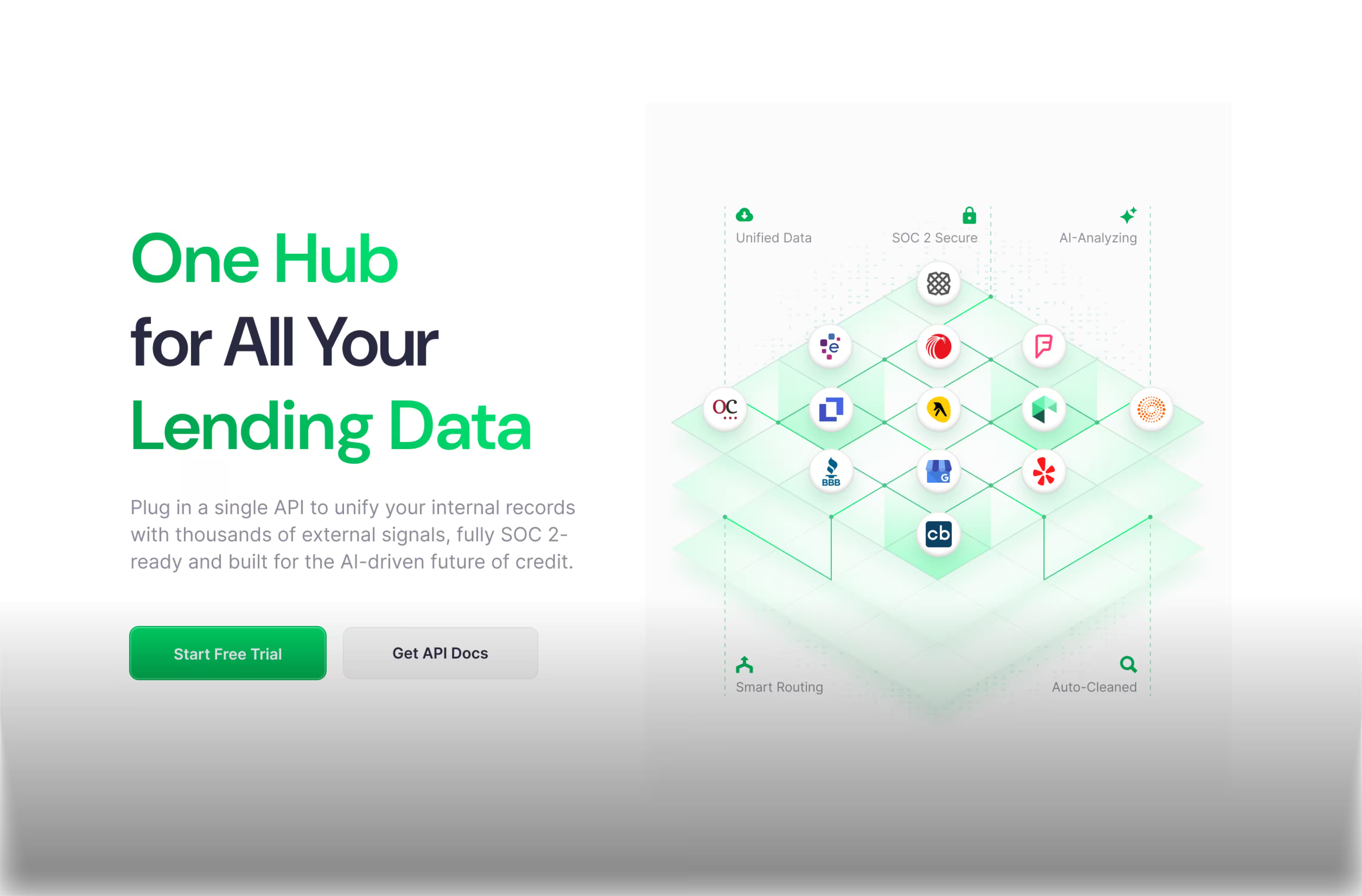
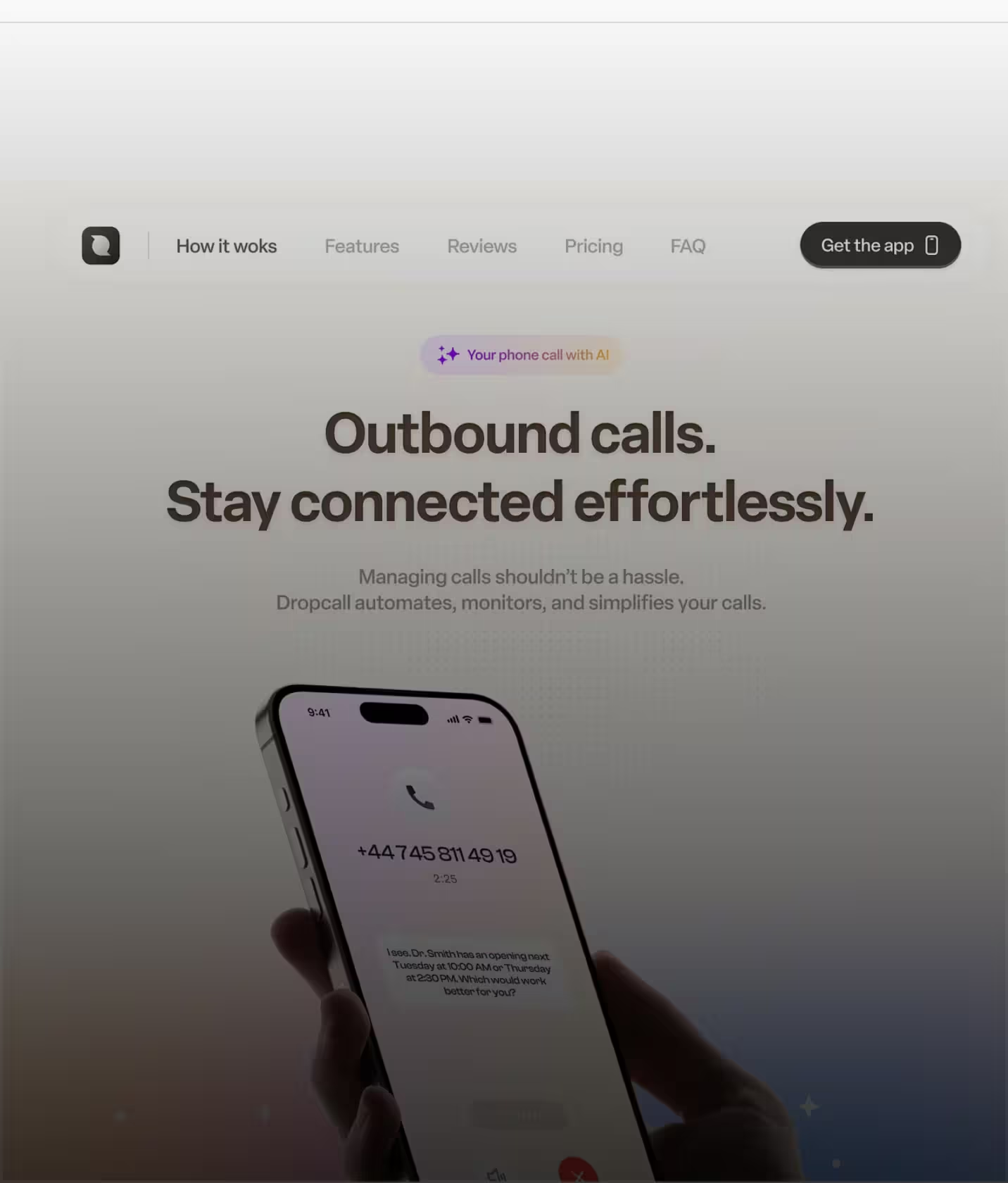
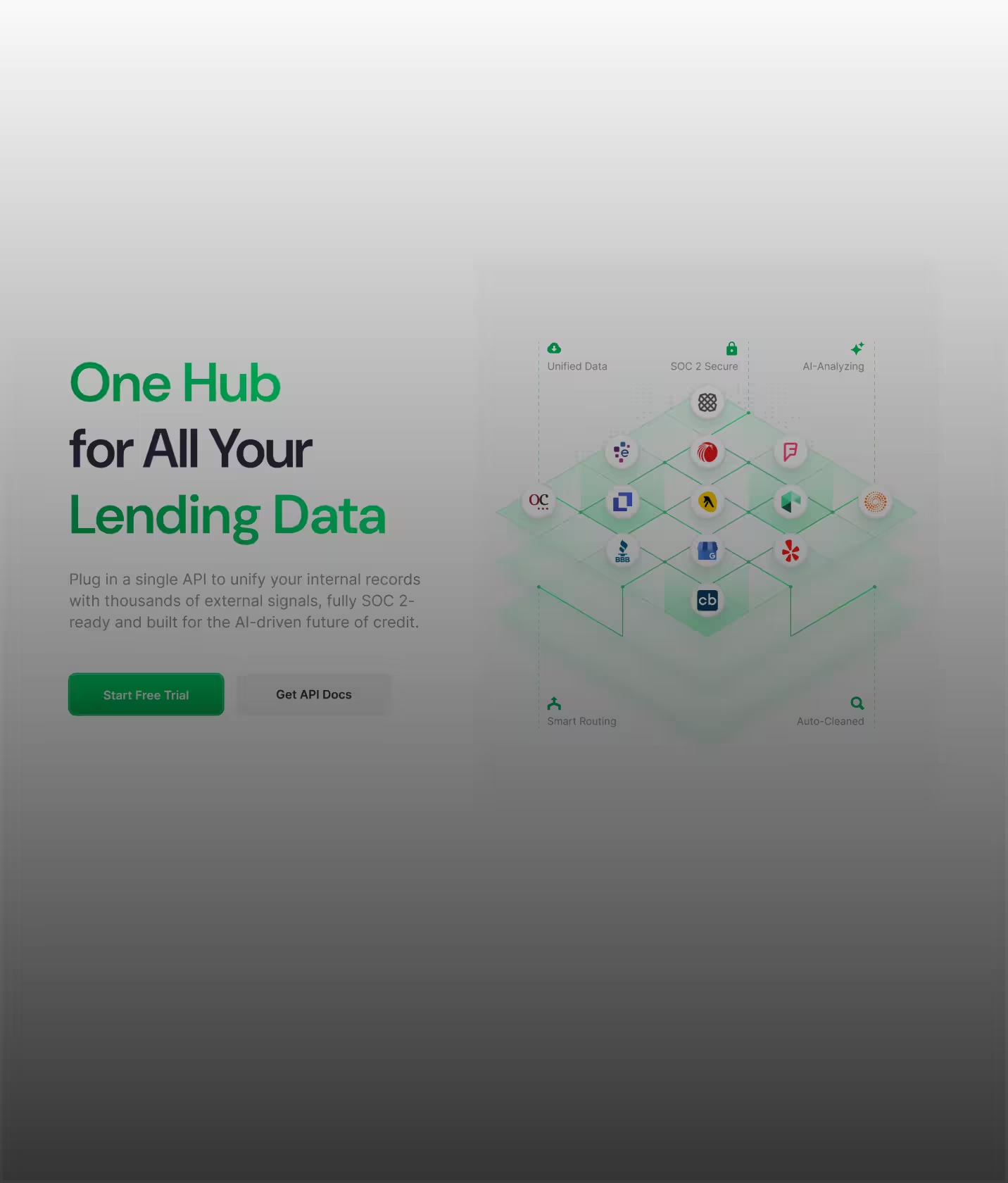
Banking, payments, investing, insurance, crypto and B2B fintech, including a six-year partnership with the embedded lending platform Lendflow.
Research, UX strategy, fintech UI/UX design, prototyping, testing and handoff from one team, with no gaps between what gets researched and what gets built.
We treat regulation as a design constraint, not someone else’s problem, and we’re good at making required steps feel natural to end users.
Consumer banking apps and enterprise treasury dashboards are different problems. We’ve designed both and adjust research and patterns to each.
Every engagement leaves a documented component library. It’s infrastructure for your product’s future, not a one-off deliverable.
Everything is built and documented so your team can make changes without coming back to us for each update.










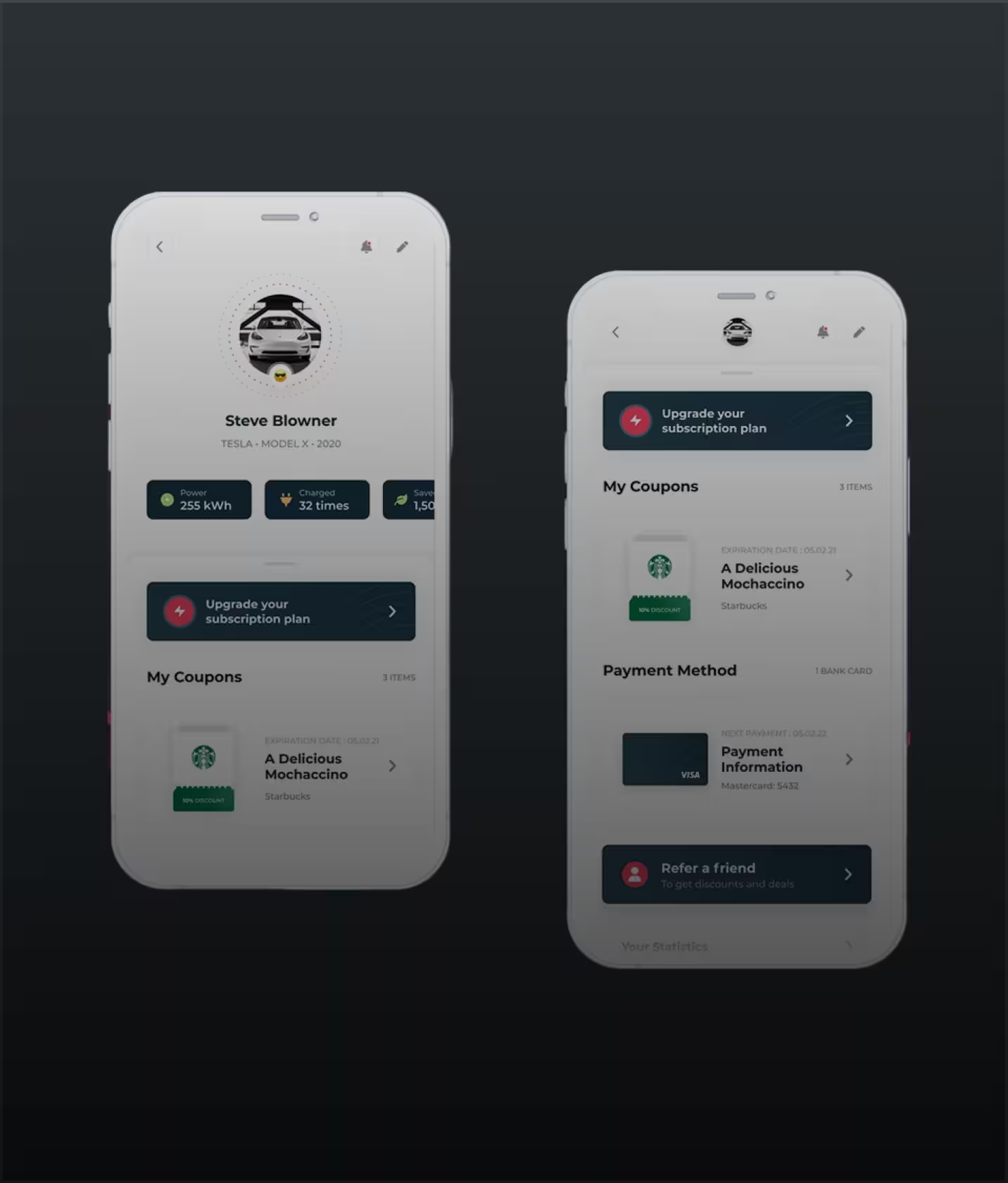


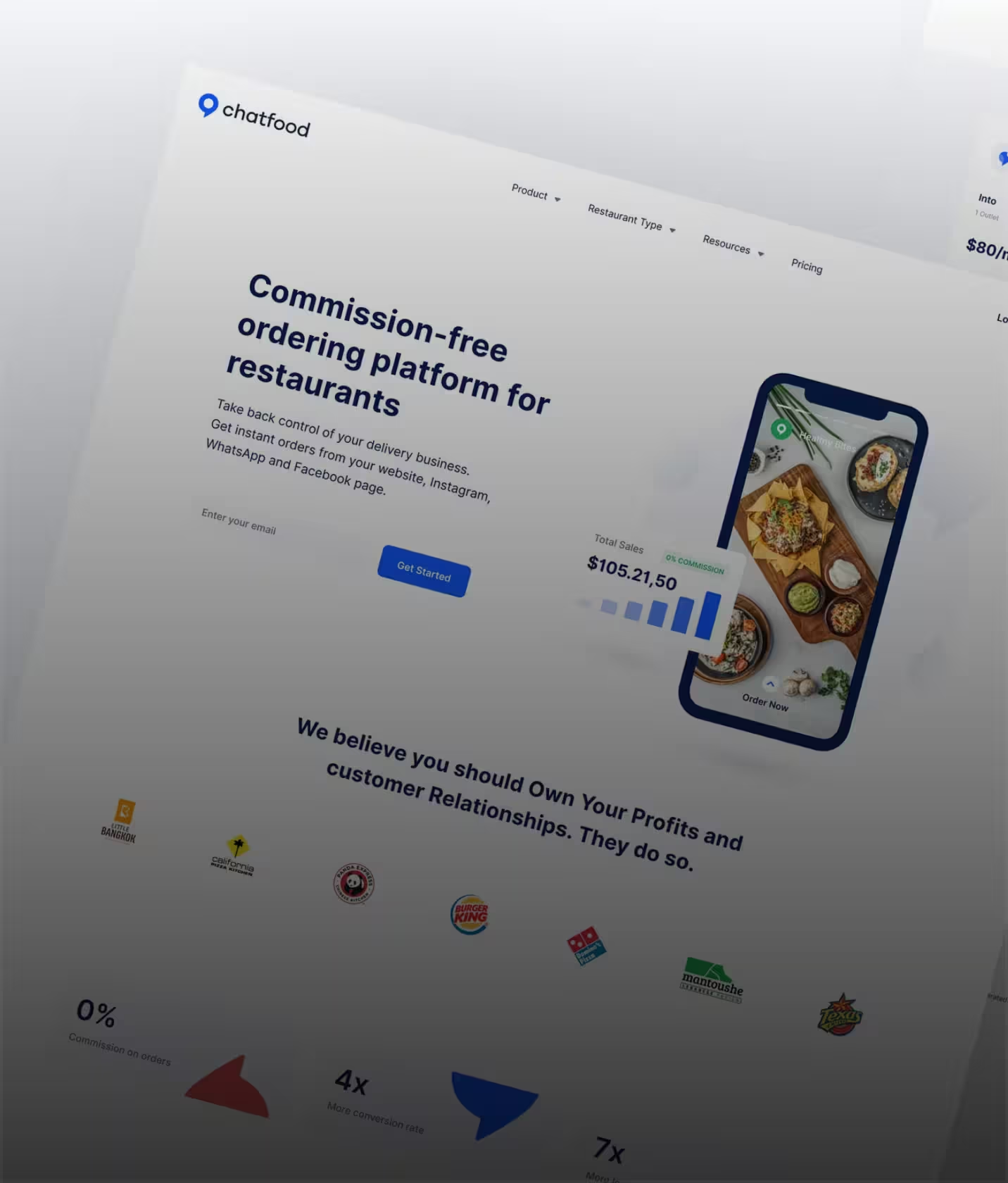

.jpeg)
Our fintech design work spans consumer apps, enterprise platforms and everything in between.
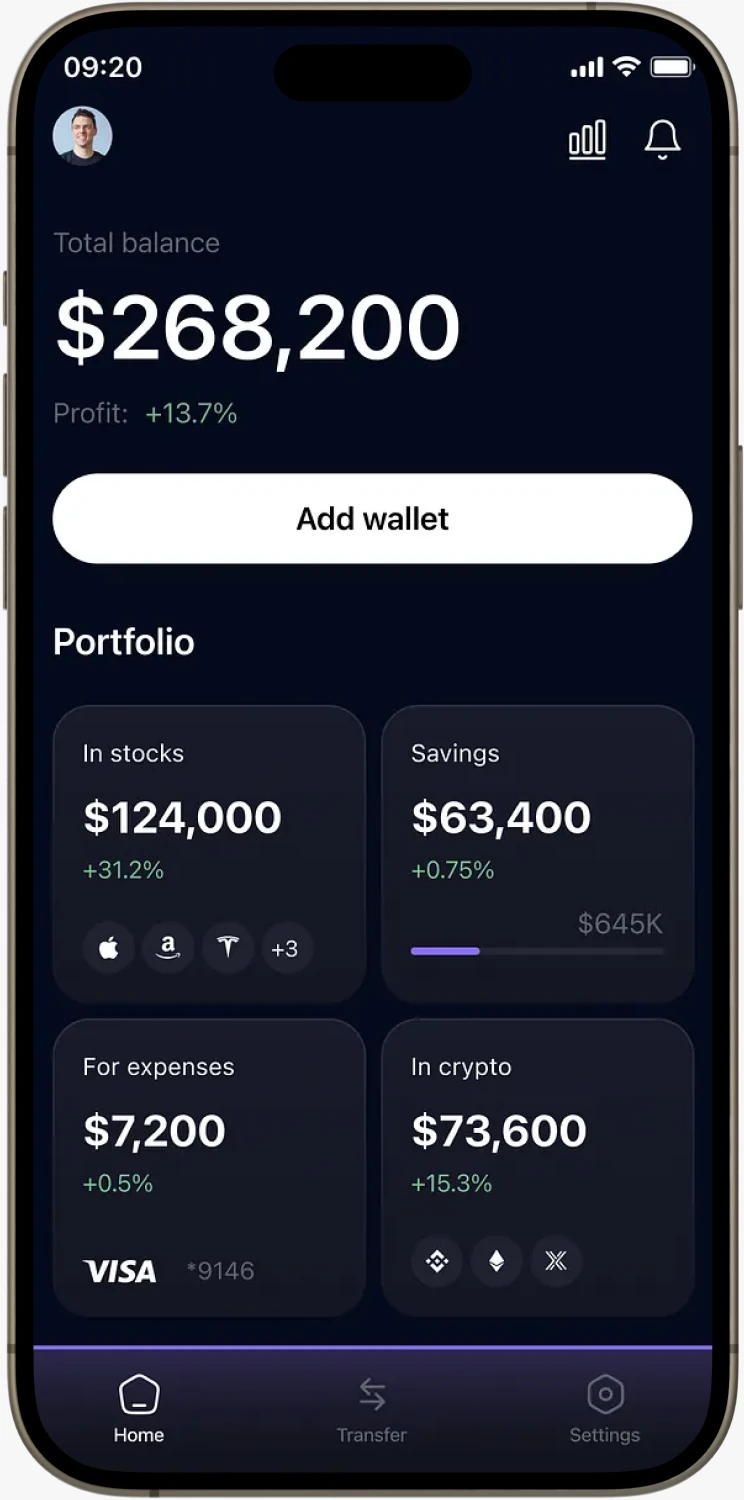
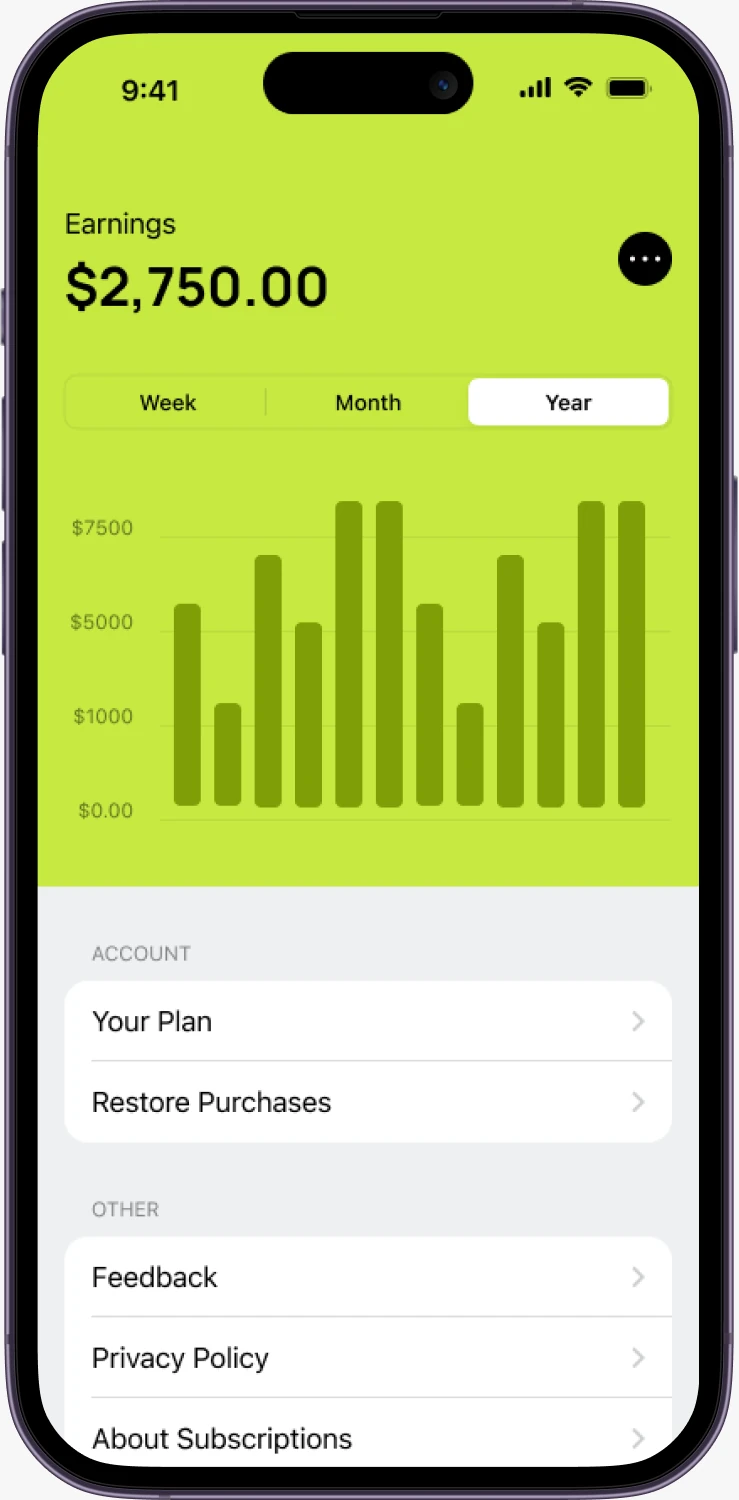
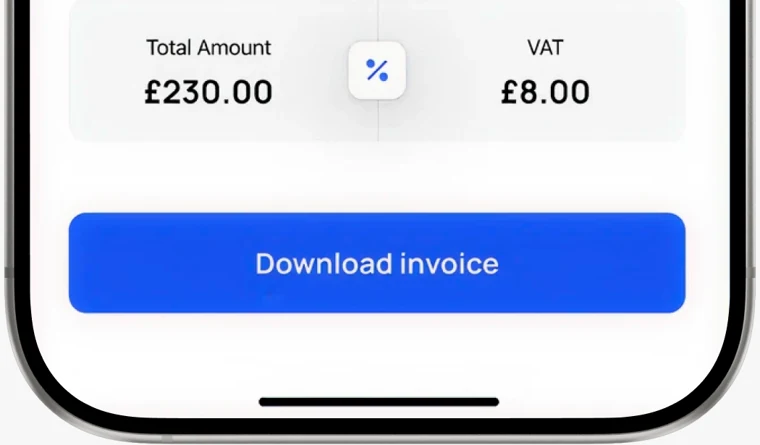
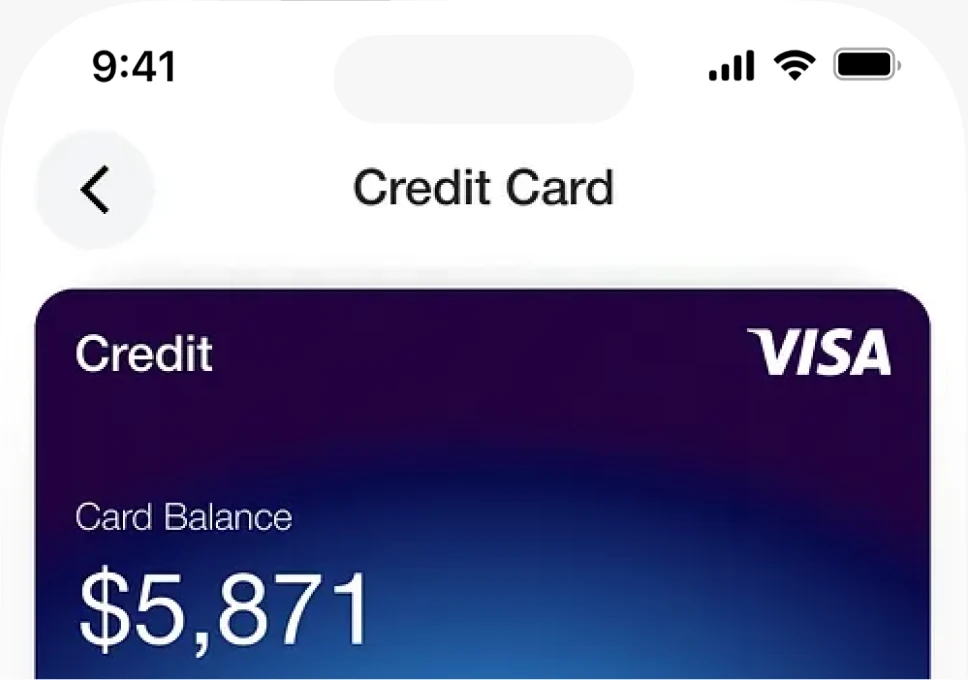
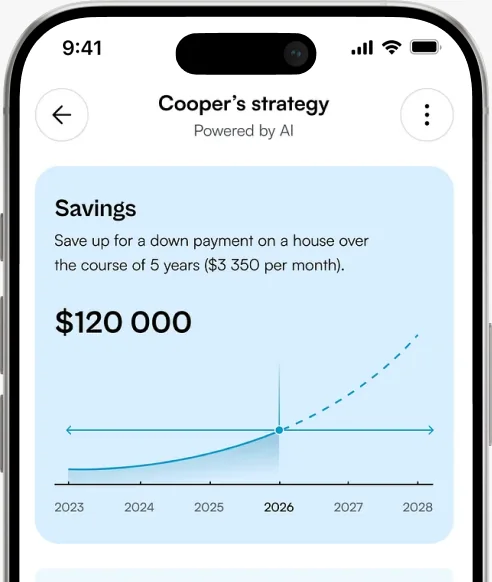
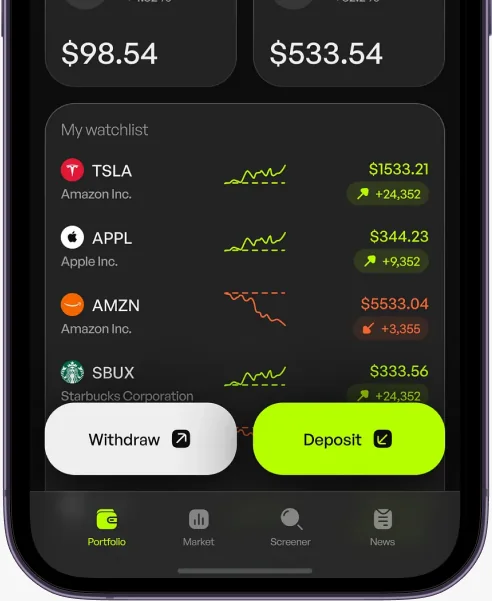
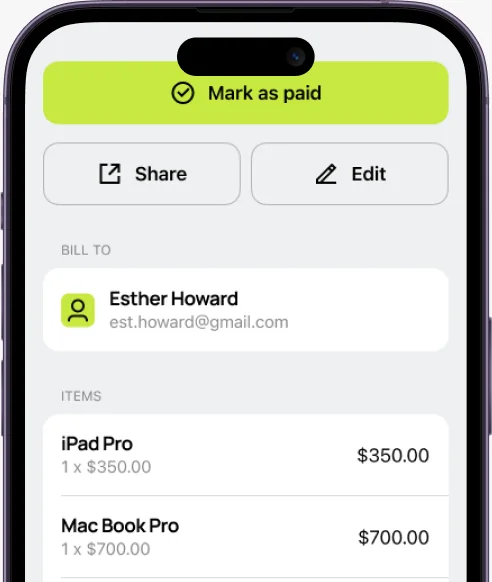
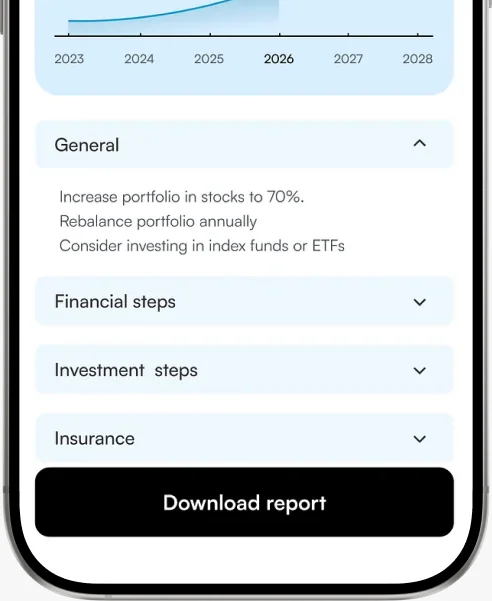
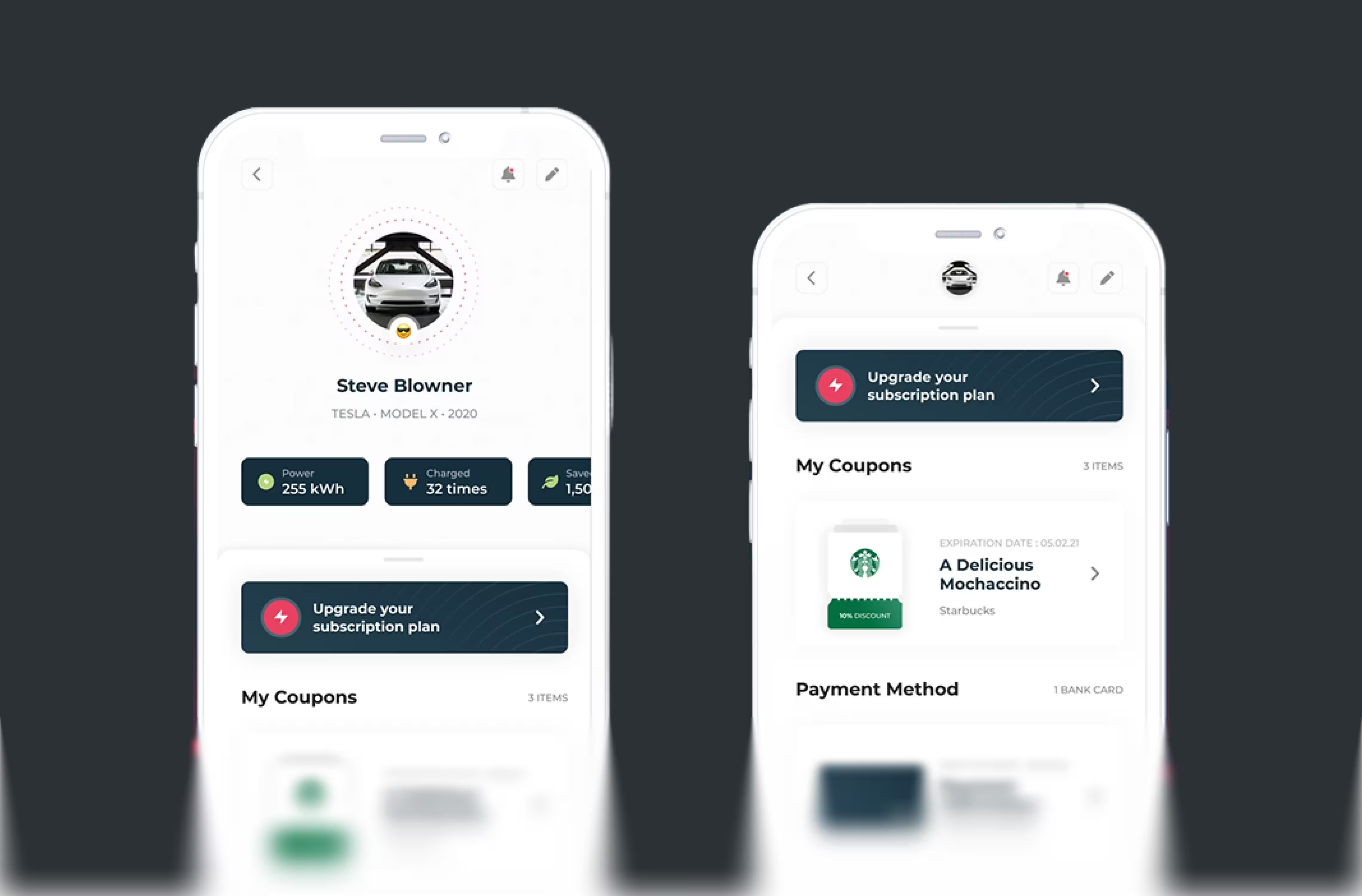
Banking app design for accounts, card controls, transaction history, spending insights and support, with the trust a main bank needs and the convenience people expect from a neobank.
Payment app design for P2P transfers, merchant checkout, multi-currency wallets, payment requests and recurring billing, built for fast completion and clear error recovery.
Portfolio dashboards, trade execution, risk profiling and goal tracking that give people the confidence to act, not just more data. Crypto app design too, like the CryptoGenie prediction platform.
Quote flows, policy management, claims and coverage comparison, designed to remove the anxiety people feel around insurance. Clarity sells policies.
Treasury management, spend analytics, financial reporting and multi-entity accounts for power users who need precision and speed. See also B2B UX design.
Our fintech design work spans consumer apps, enterprise platforms and everything in between.
Banking app design for accounts, card controls, transaction history, spending insights and support, with the trust a main bank needs and the convenience people expect from a neobank.
Payment app design for P2P transfers, merchant checkout, multi-currency wallets, payment requests and recurring billing, built for fast completion and clear error recovery.
Portfolio dashboards, trade execution, risk profiling and goal tracking that give people the confidence to act, not just more data. Crypto app design too, like the CryptoGenie prediction platform.
Quote flows, policy management, claims and coverage comparison, designed to remove the anxiety people feel around insurance. Clarity sells policies.
Treasury management, spend analytics, financial reporting and multi-entity accounts for power users who need precision and speed. See also B2B UX design.
A fintech design agency focuses on UX and UI for financial technology: banking, payments, lending, investing and B2B finance tools, where trust, compliance and data clarity matter more than in most products. Its designers understand regulation, security patterns and the behavior behind money decisions, not just the interface.
A fintech design agency focuses on UX and UI for financial technology: banking, payments, lending, investing and B2B finance tools, where trust, compliance and data clarity matter more than in most products. Its designers understand regulation, security patterns and the behavior behind money decisions, not just the interface.
UX in fintech means reducing friction and building trust across financial flows, so people finish onboarding, understand their money and act with confidence. It covers everything from the first screen to error states and edge cases like a rejected document or a failed payment.
UX in fintech means reducing friction and building trust across financial flows, so people finish onboarding, understand their money and act with confidence. It covers everything from the first screen to error states and edge cases like a rejected document or a failed payment.
End-to-end design of a financial product: research, flows, UI and a design system, shaped by real user behavior and regulatory constraints.
End-to-end design of a financial product: research, flows, UI and a design system, shaped by real user behavior and regulatory constraints.
We map every step the regulation requires, then remove everything it doesn’t. Clear instructions before document capture, specific error messages instead of “upload failed”, visible progress and a way to save and return do most of the work. We test the flow with real users before launch, including the rejection paths.
We map every step the regulation requires, then remove everything it doesn’t. Clear instructions before document capture, specific error messages instead of “upload failed”, visible progress and a way to save and return do most of the work. We test the flow with real users before launch, including the rejection paths.
Yes. Wallets, trading interfaces and analytics tools need the same trust work as banking, plus clear handling of volatility, fees and irreversible transactions. Our crypto work includes the CryptoGenie trend prediction platform.
Yes. Wallets, trading interfaces and analytics tools need the same trust work as banking, plus clear handling of volatility, fees and irreversible transactions. Our crypto work includes the CryptoGenie trend prediction platform.
A designer who specializes in financial products and understands compliance, trust, data density and the behavior behind money decisions, not just the UI. It’s a different skill set from general product design, and the difference shows up in metrics like onboarding completion and transaction rates.
A designer who specializes in financial products and understands compliance, trust, data density and the behavior behind money decisions, not just the UI. It’s a different skill set from general product design, and the difference shows up in metrics like onboarding completion and transaction rates.






We use cookies to see how the site is used and to measure our ads. You choose. Privacy Policy