We research in the field, not in a conference room
Logistics work doesn’t translate to interviews in a meeting room. We go to dispatch centers, warehouse floors and delivery routes.
Logistics software fails when it’s built for spreadsheets, not people. We design tracking, dispatch and supply chain tools that operators read at a glance and trust under pressure.


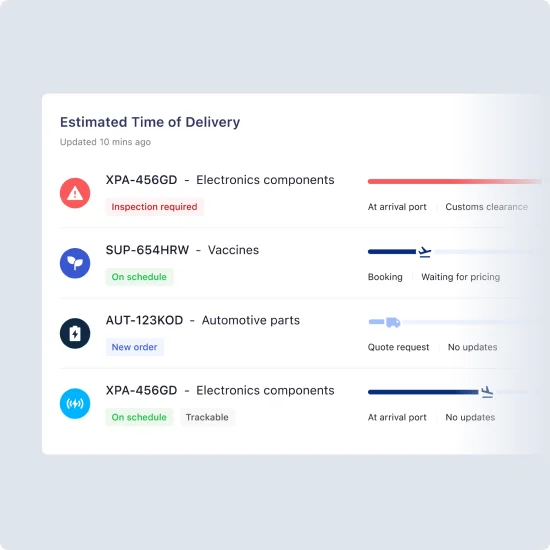
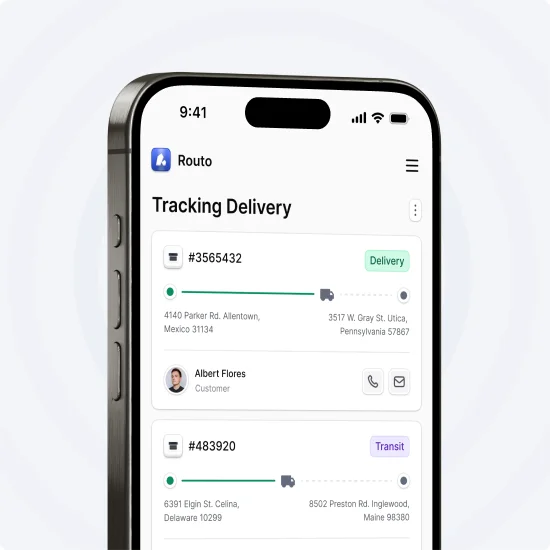
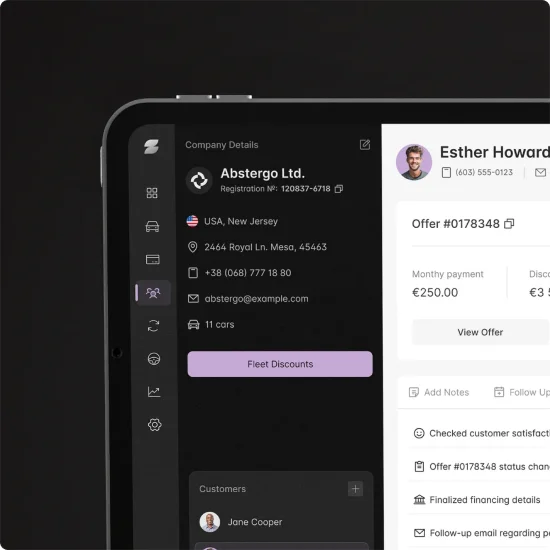
Speed has stakes. Decisions happen fast, and the cost of a wrong one compounds across the whole supply chain.
Small errors, big delays. A dispatcher misreads a status screen and reroutes the wrong truck. A warehouse worker can’t find a transfer order and a shipment slips.
Design affects operations. Good logistics software design changes operational accuracy, throughput and the stress level of the people running your operation.
In logistics, a confusing interface isn’t an inconvenience. It’s a missed delivery, a misrouted shipment or an hour of dispatcher time spent on software instead of routes.
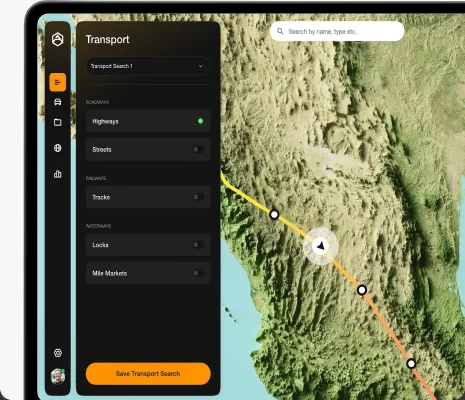
When a TMS buries key information under tabs and filters, experienced dispatchers build their own workarounds in spreadsheets, whiteboards and group chats. That’s a sign the design isn’t keeping up with the operation.
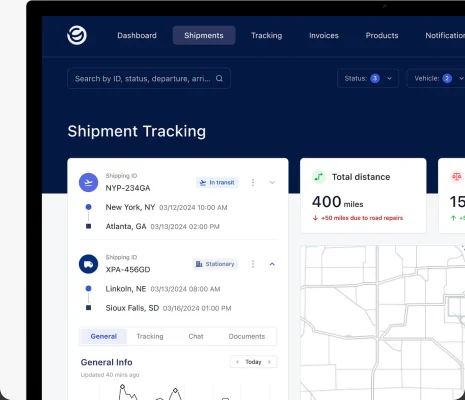
Warehouse software built for the office breaks on a handheld scanner or floor tablet. Small touch targets, dense tables and slow loading turn simple tasks into errors.
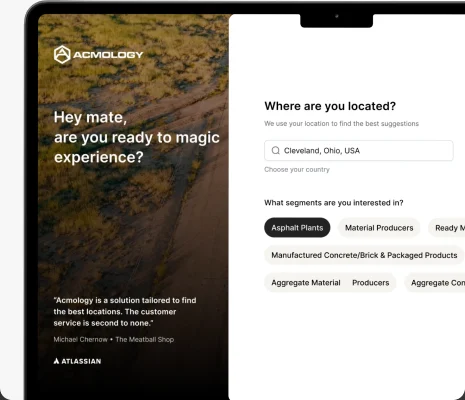
Turnover in logistics is high, and operations can’t stop for training. If basic tasks need days of onboarding, the software becomes a constant drag.
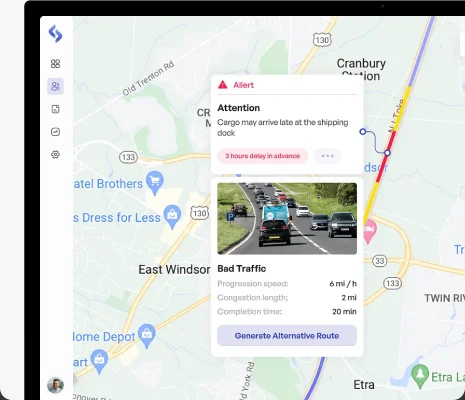
When a dashboard shows everything with the same weight, delayed shipments, compliance holds and capacity exceptions disappear among routine updates.
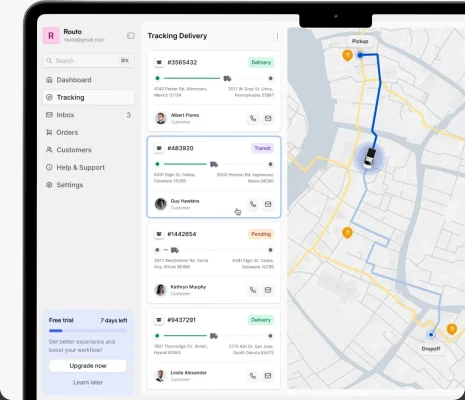
Most platforms have the data. What’s missing is logistics dashboard design that puts the right information in front of the right person: a driver needs something different from a dispatcher.
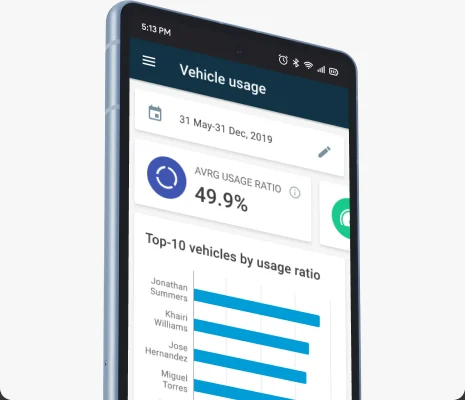
Drivers and field agents work entirely on mobile. An app that ignores glare, gloves and one-handed use creates friction at every stop on every route.
From TMS redesigns to driver apps built from scratch.
Ride-alongs with dispatchers, warehouse floor observation, driver interviews and usage data. Decisions not grounded in operational reality don’t survive a real warehouse at 6 AM.
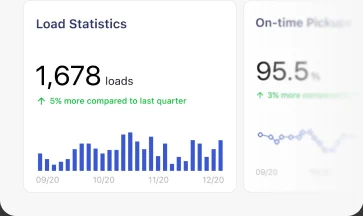
Route visualization, load planning, status tracking and exception management organized around how dispatchers think. We design for the person managing 40 active routes under pressure, not the demo version of that job.
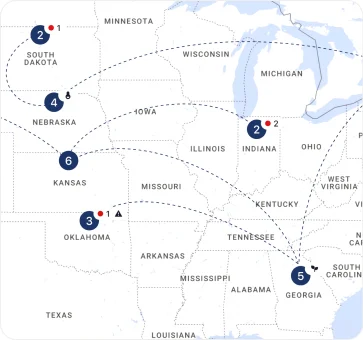
Warehouse management system UX for handheld scanners, floor tablets and shared workstations, with fewer pick errors, faster transfers and screens that hold up on weak connectivity. Every screen is tested on the real hardware.
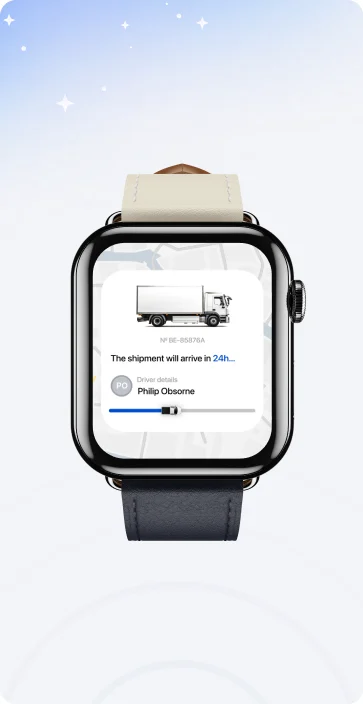
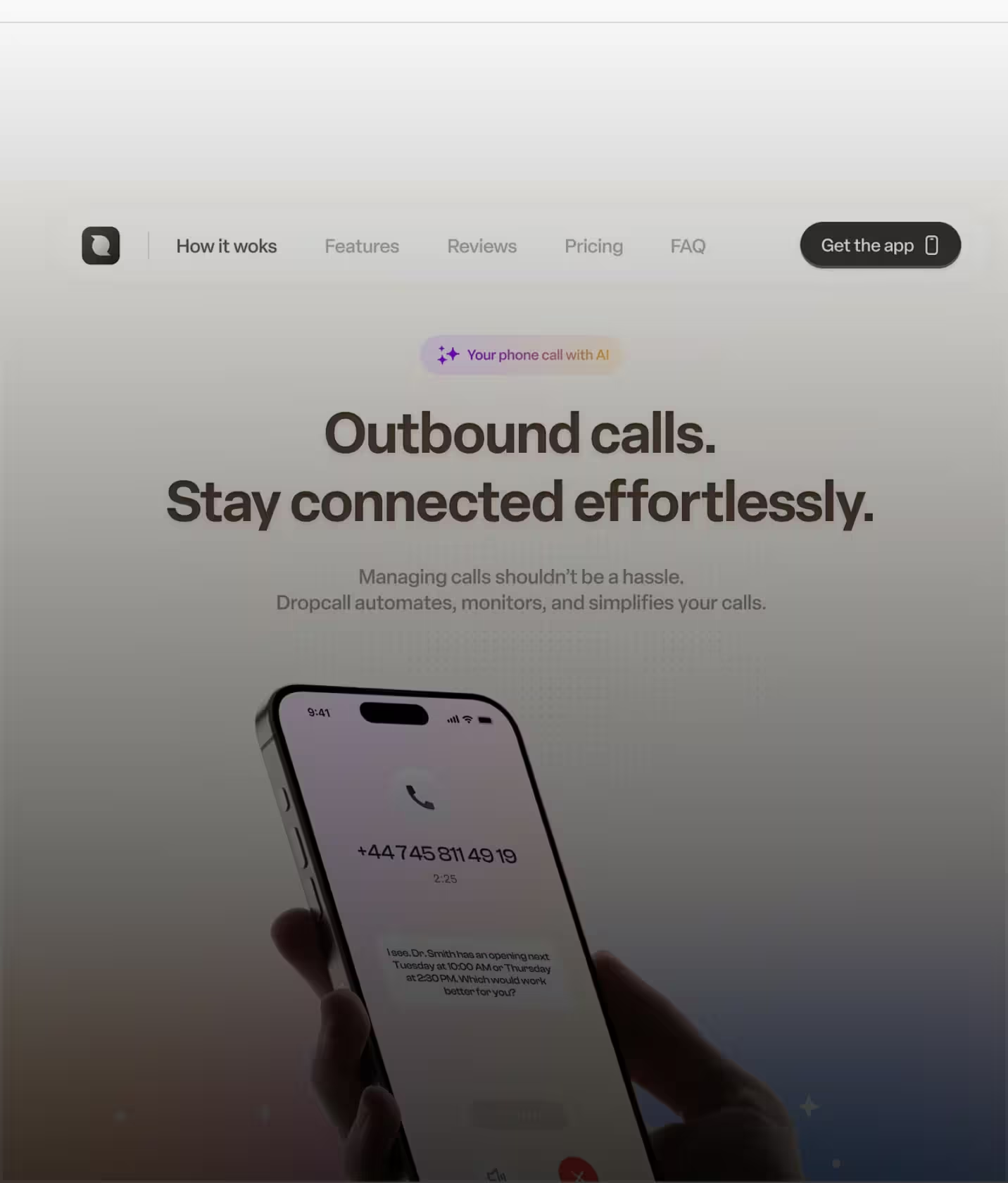
Delivery app design for drivers and field teams: large touch targets, offline mode, minimal input at the point of delivery and clean navigation handoff. A confusing confirmation screen at stop 47 of 60 is an operational problem.
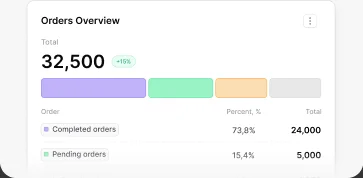
Fleet management app design and real-time asset tracking for the manager with 200 vehicles who needs to spot a problem before it becomes a delay. Alert priority and status hierarchy do the heavy lifting.
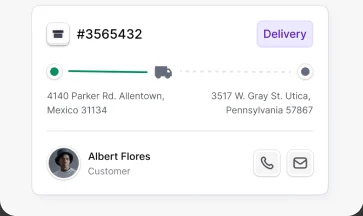
Shipper portals, tracking pages, booking flows and freight quoting tools that let customers serve themselves. A clear portal cuts support tickets and stands out in a commoditized market.
We design from what we see in the field, not from what we assume happens in an office.
We start where the work happens: dispatch centers, warehouse floors and delivery routes, looking for where software slows people down and where they’ve built workarounds.
Week 1Role-specific information architecture and workflow logic, settled before visual design, when changes are still cheap.
Weeks 2 to 3Prototypes built for the hardware each role uses: dispatch workstations, floor tablets, handheld scanners and driver phones, then tested in those settings.
Weeks 4 to 5A weekly sync plus async review. Your operations leads join at key milestones, especially flow validation, which they sign off before development.
Your timeA logistics design engagement usually runs 8 to 12 weeks. Projects with many user roles and hardware contexts can run longer.
Logistics work doesn’t translate to interviews in a meeting room. We go to dispatch centers, warehouse floors and delivery routes.
A logistics platform has at least five user types with different information needs, devices and tolerance for complexity. We design for all of them, not one at the others’ expense.

Logistics software tends to collect features until nobody can find anything. We design for clear hierarchy, fast loading and the discipline to surface what matters.
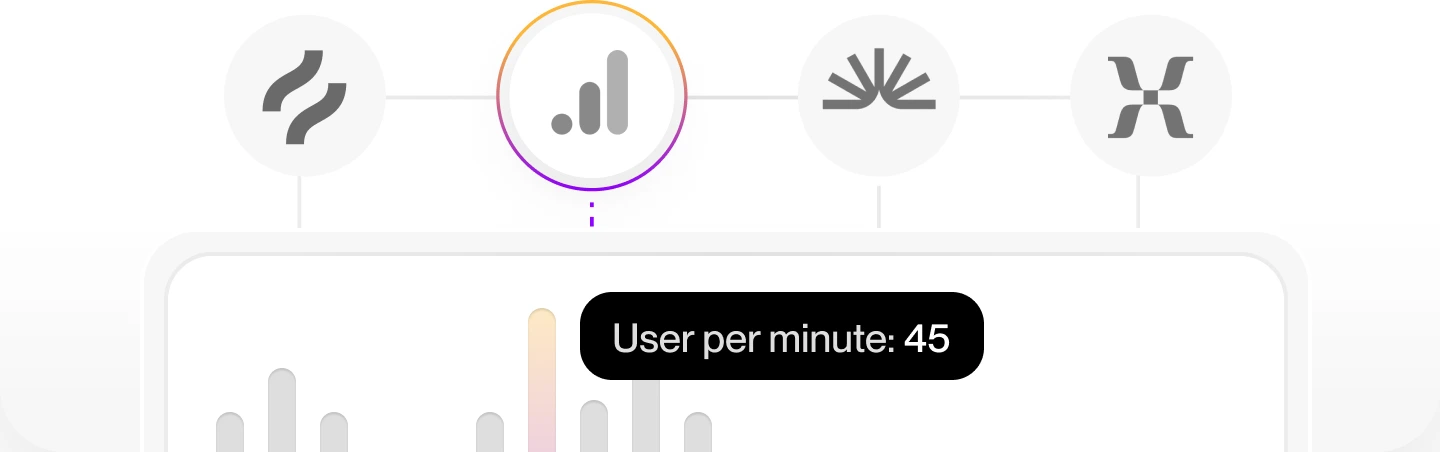
TMS platforms, WMS interfaces, fleet dashboards, last-mile apps and freight marketplaces, including Fleetchaser for construction fleets and the Routo logistics platform.
Driver apps and warehouse tools are designed for mobile from the start, not adapted from desktop, with real hardware, connectivity and field conditions in mind.
Logistics platforms pull from ERPs, telematics, carrier APIs and warehouse automation. We design with those integrations in mind, so the interface matches real data.
Research, UX strategy, logistics UI/UX design, prototyping, testing and handoff from one team, with no gaps between research and build.
Delays, failed deliveries and capacity shortfalls happen every day. Exception handling and error states are primary design work for us, not afterthoughts.
Every engagement leaves a documented component library your team can build on, one source of truth for every screen on the platform.


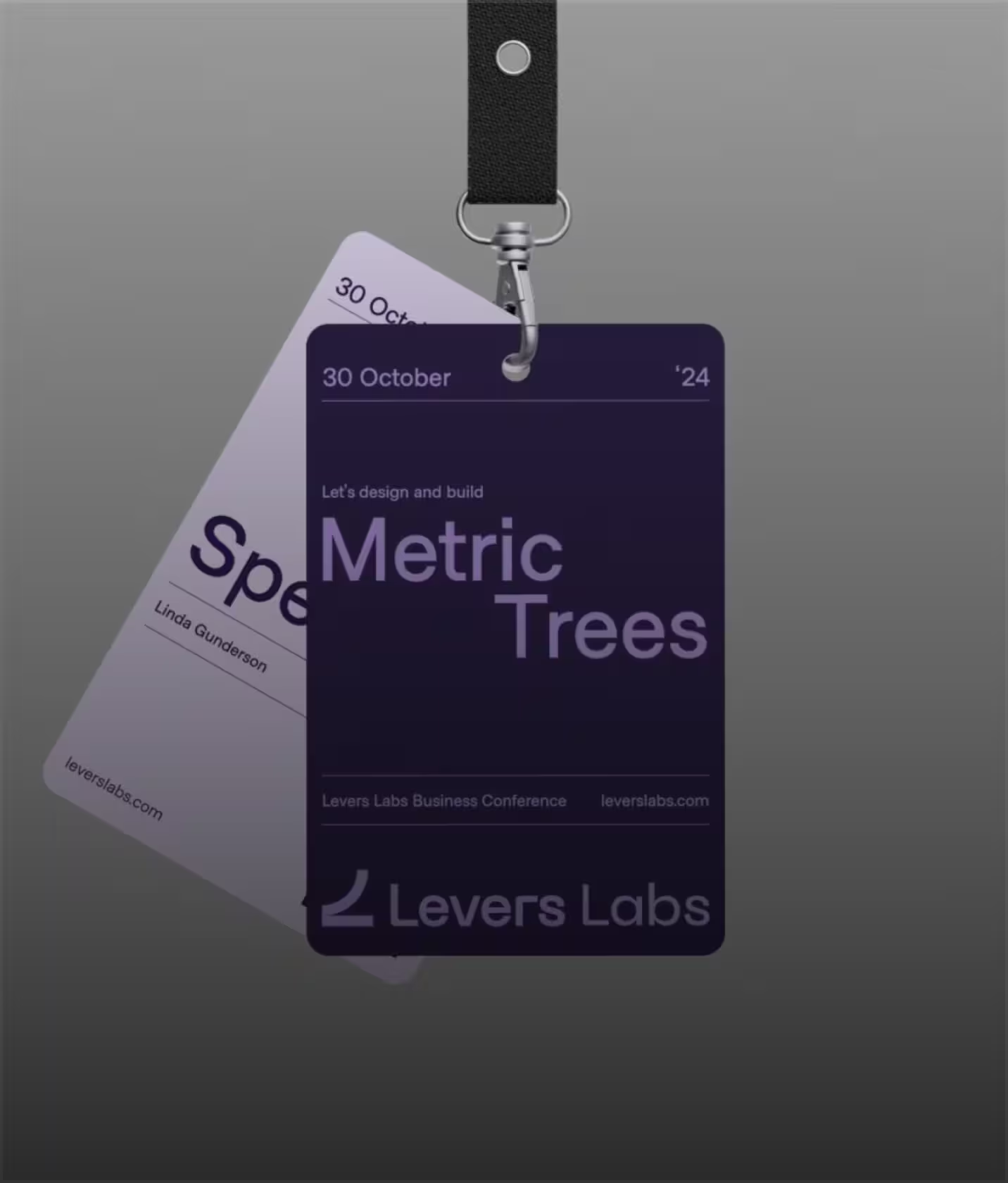


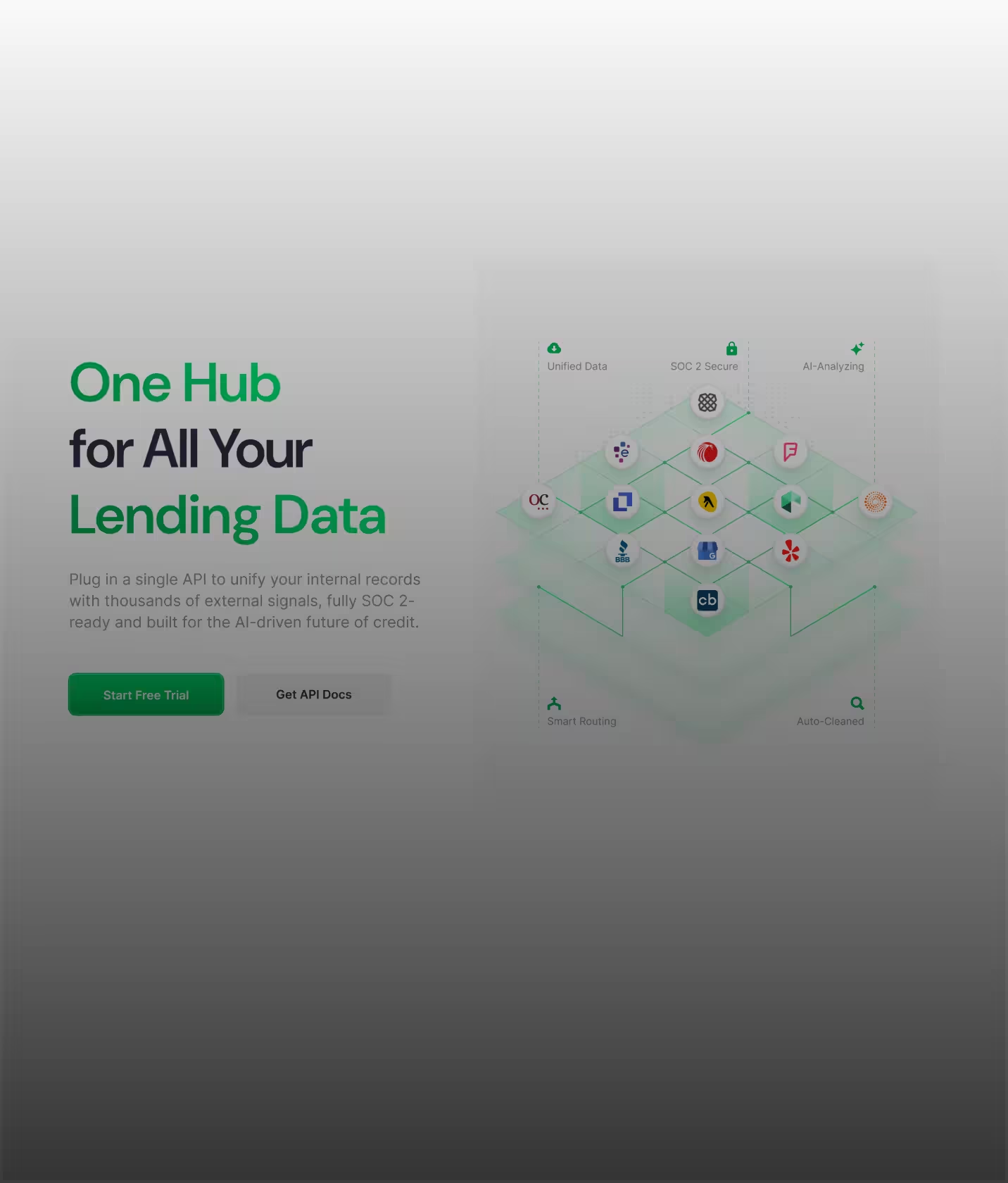


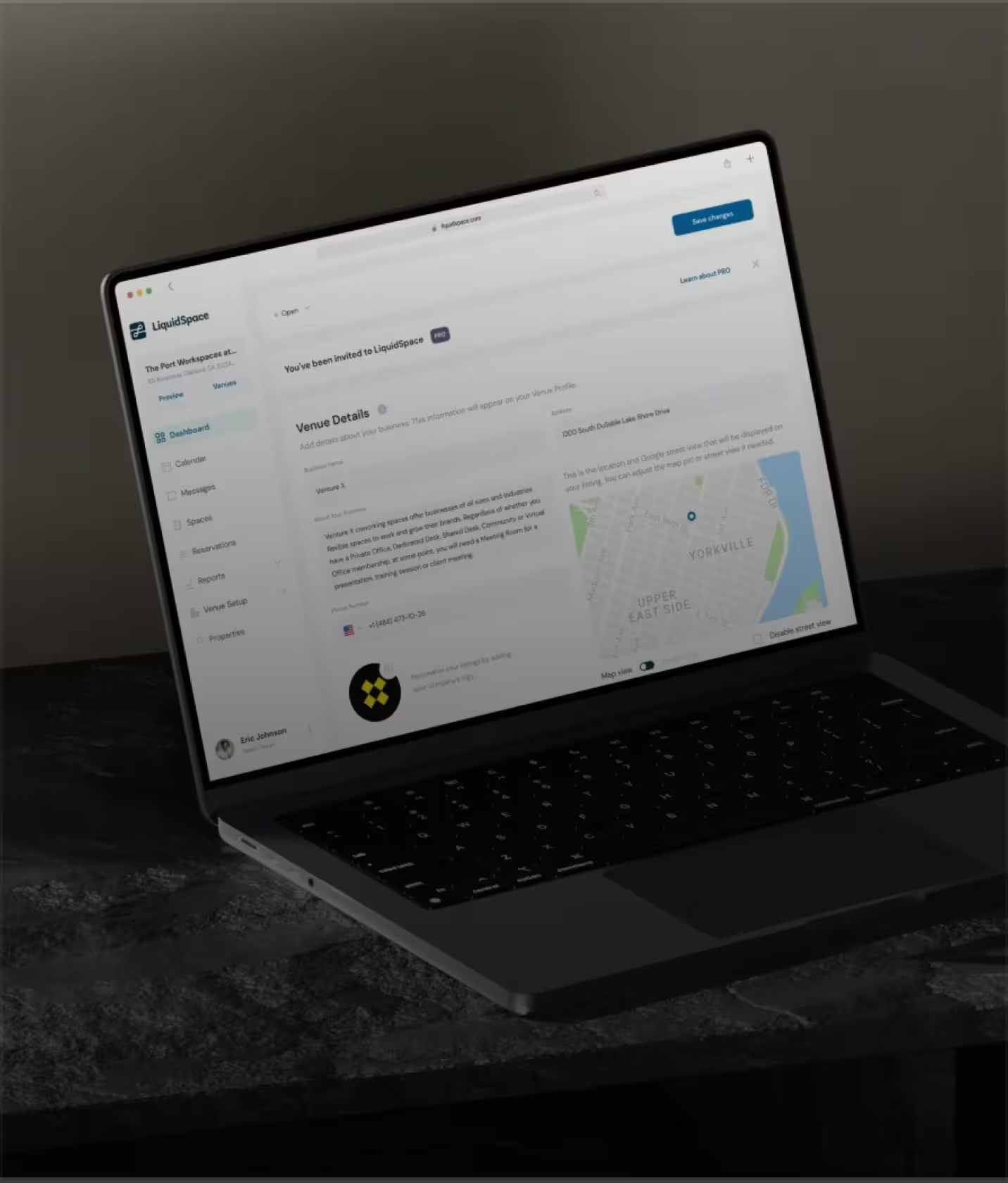


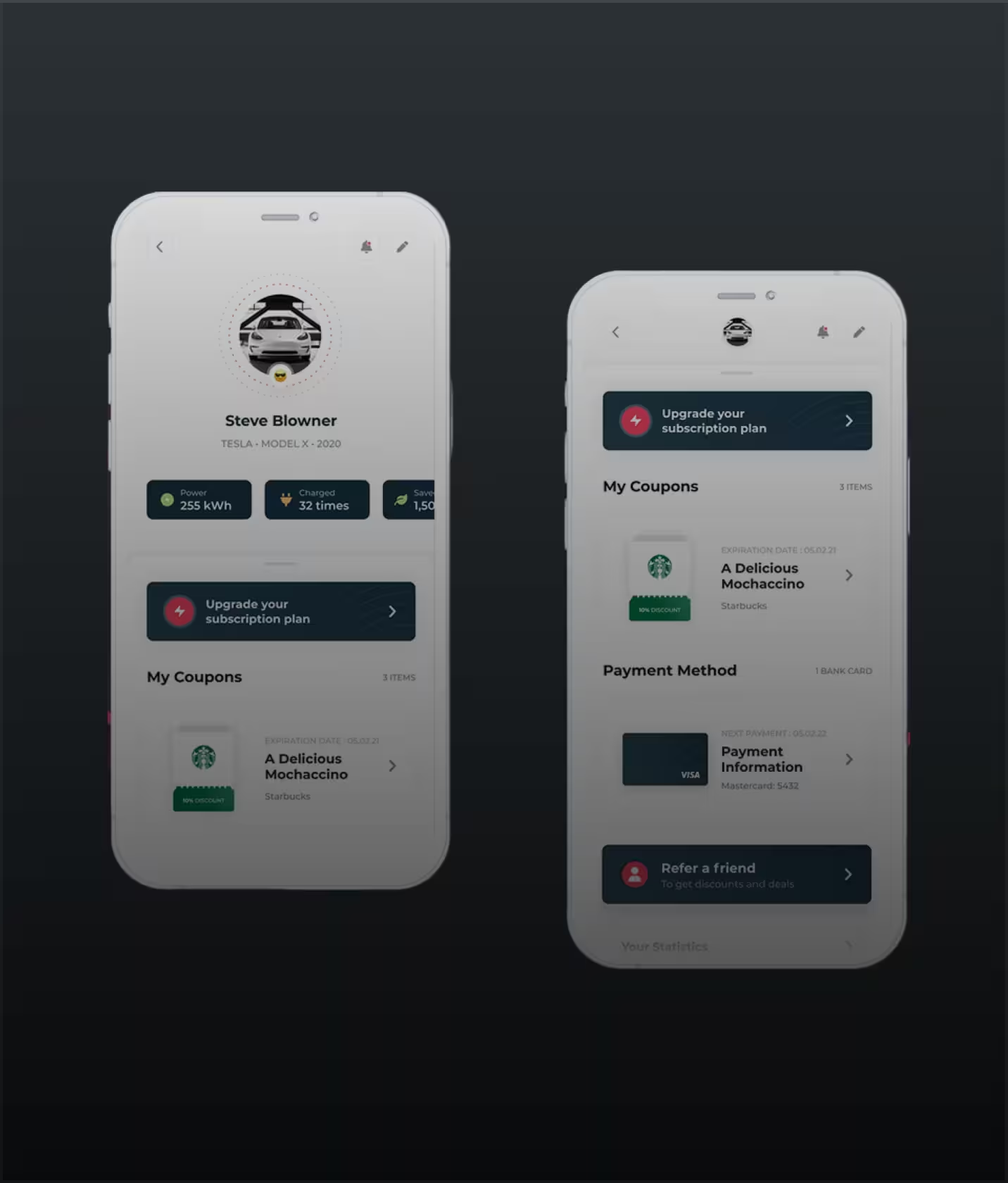



.jpeg)
From carrier-facing operations tools to the customer tracking experience.
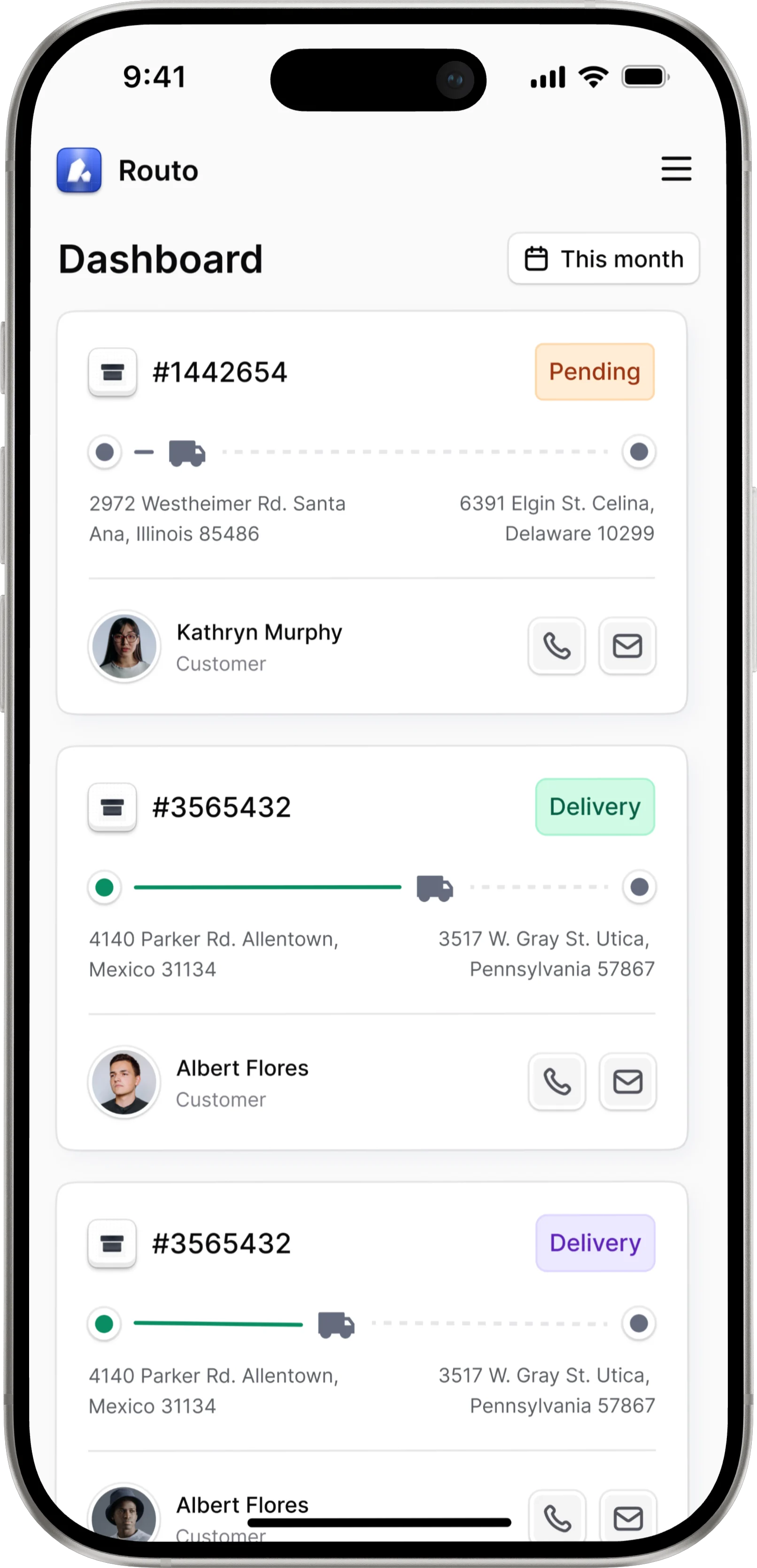
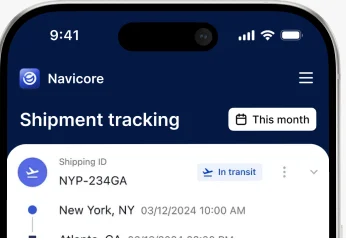
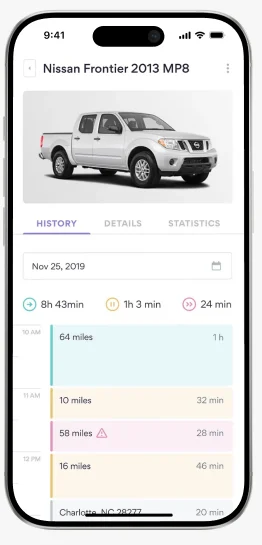
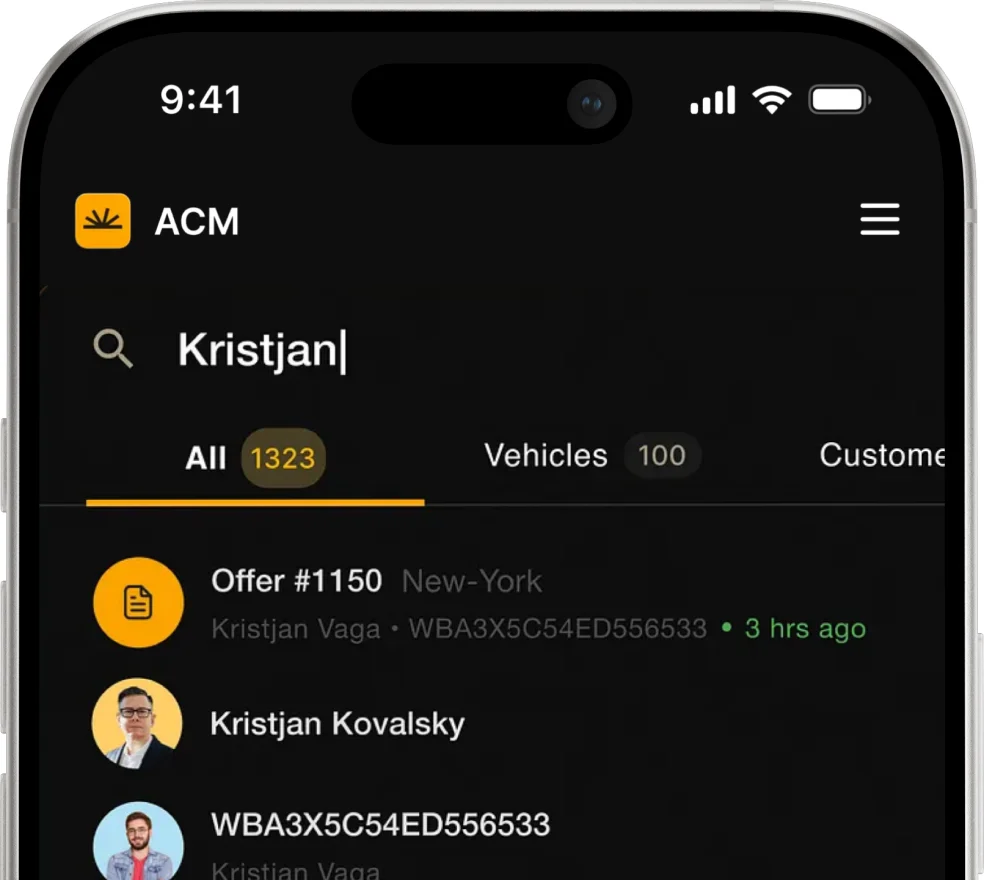
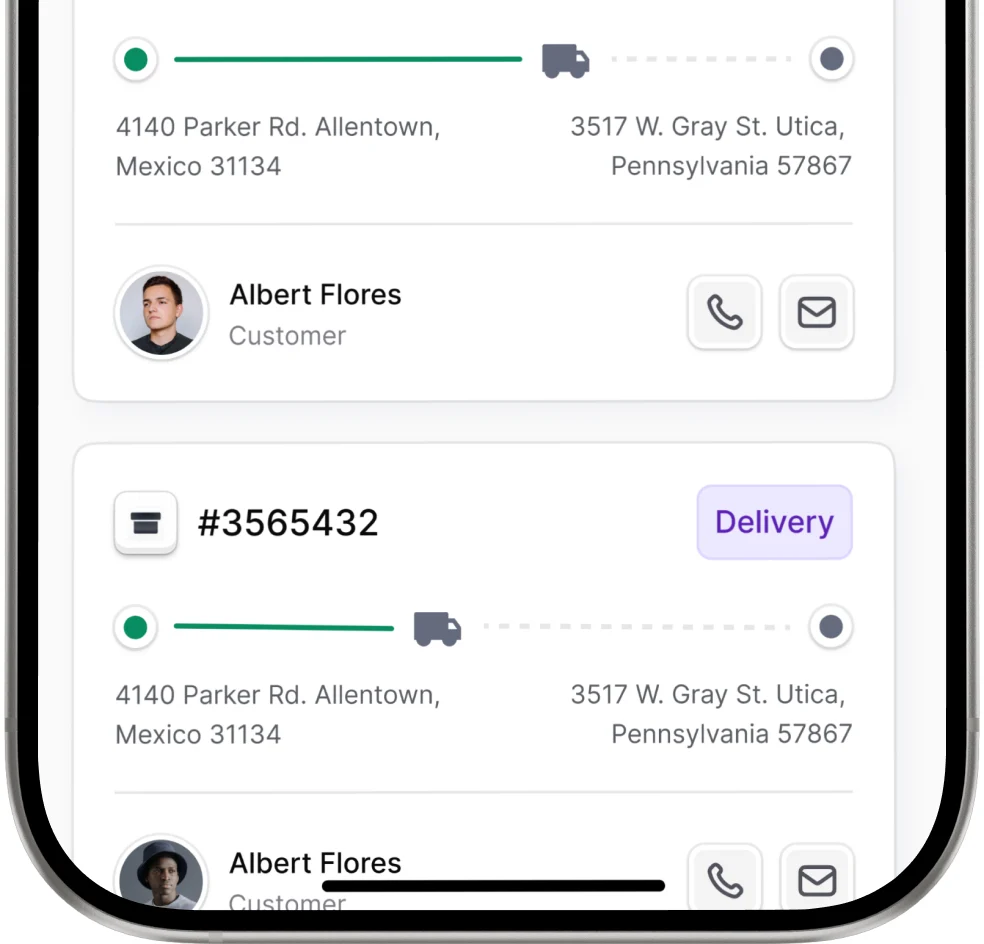
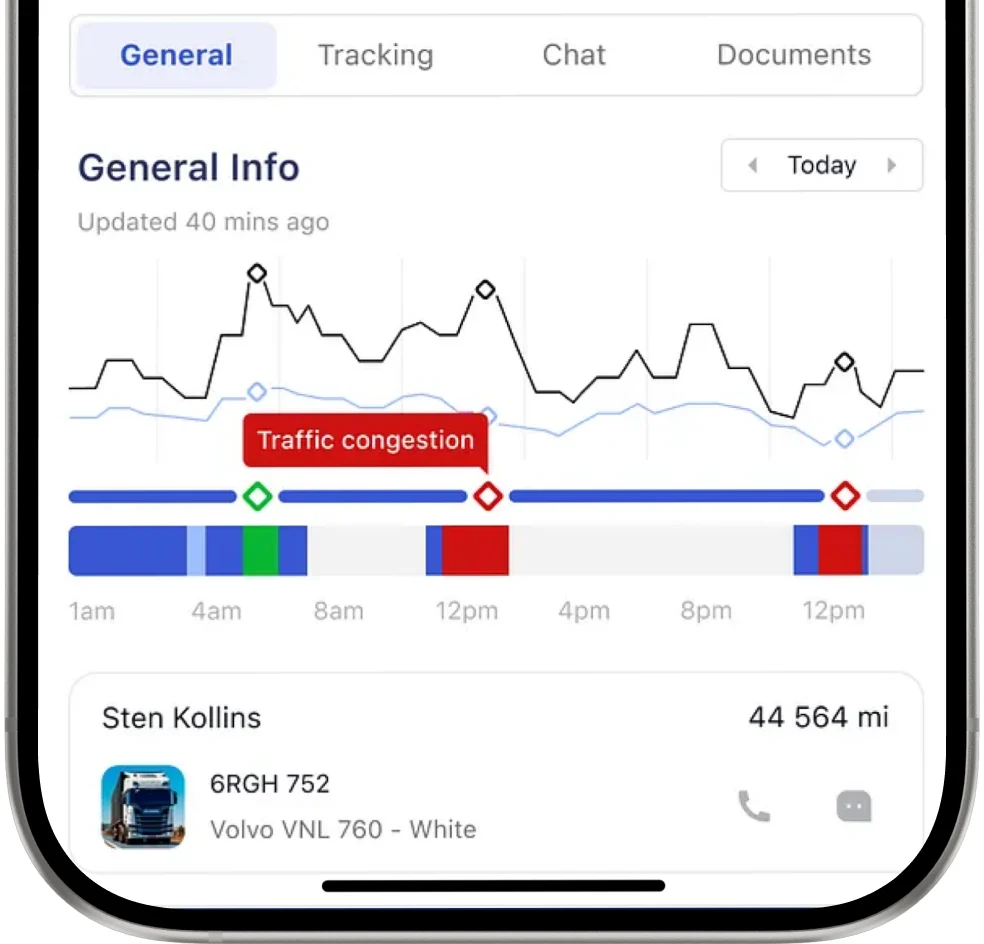
Transportation software UX for dispatch, load planning, carrier management and freight audit, built for the speed and data density transport operations demand.
Floor interfaces, inventory management, receiving and putaway workflows designed for the hardware and conditions of real warehouse work.
Real-time fleet visibility, driver performance and compliance tools for managers who need to see problems before they become delays.
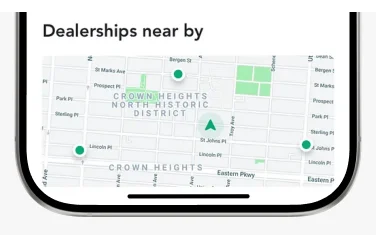
Logistics app design for last-mile delivery, route management and proof of delivery, built for mobile and patchy connectivity.
Self-service tracking, freight booking and reporting that reduce support volume and keep clients informed. For broader B2B platforms, see B2B UX design.
From carrier-facing operations tools to the customer tracking experience.
Transportation software UX for dispatch, load planning, carrier management and freight audit, built for the speed and data density transport operations demand.
Floor interfaces, inventory management, receiving and putaway workflows designed for the hardware and conditions of real warehouse work.
Real-time fleet visibility, driver performance and compliance tools for managers who need to see problems before they become delays.
Logistics app design for last-mile delivery, route management and proof of delivery, built for mobile and patchy connectivity.
Self-service tracking, freight booking and reporting that reduce support volume and keep clients informed. For broader B2B platforms, see B2B UX design.
Have a logistics platform that’s underperforming? Start with a UX audit
Role-specific information architecture, exception-first design, layouts tuned for each device, real-time data visualization and fast performance at operational data volumes. Together they separate supply chain UX design that works from generic enterprise software.
Role-specific information architecture, exception-first design, layouts tuned for each device, real-time data visualization and fast performance at operational data volumes. Together they separate supply chain UX design that works from generic enterprise software.
Yes, most logistics engagements cover more than one surface. We often design the dispatch web interface, the driver app and the customer portal together, so data looks and behaves the same everywhere.
Yes, most logistics engagements cover more than one surface. We often design the dispatch web interface, the driver app and the customer portal together, so data looks and behaves the same everywhere.
Yes. We redesign in stages, starting with the flows that cause the most errors or workarounds, and keep familiar patterns where people rely on them. Operations leads sign off on each flow before it goes to development, so nothing changes on the floor by surprise.
Yes. We redesign in stages, starting with the flows that cause the most errors or workarounds, and keep familiar patterns where people rely on them. Operations leads sign off on each flow before it goes to development, so nothing changes on the floor by surprise.
We design offline-first: drivers can see the route, capture proof of delivery and log exceptions without a signal, and the app syncs when the connection returns. Clear sync status and conflict handling are part of the design, not an engineering detail.
We design offline-first: drivers can see the route, capture proof of delivery and log exceptions without a signal, and the app syncs when the connection returns. Clear sync status and conflict handling are part of the design, not an engineering detail.
Yes. We’ve worked on TMS and WMS interfaces, fleet dashboards, last-mile apps and freight marketplaces, including Fleetchaser, a construction fleet management platform, and Routo, a logistics platform.
Yes. We’ve worked on TMS and WMS interfaces, fleet dashboards, last-mile apps and freight marketplaces, including Fleetchaser, a construction fleet management platform, and Routo, a logistics platform.
Usually 8 to 12 weeks. Projects with many user roles and hardware contexts, like a dispatch platform plus a driver app plus a warehouse tool, can take longer. You get a timeline before work starts.
Usually 8 to 12 weeks. Projects with many user roles and hardware contexts, like a dispatch platform plus a driver app plus a warehouse tool, can take longer. You get a timeline before work starts.






We use cookies to see how the site is used and to measure our ads. You choose. Privacy Policy