MVP design that wins
your first users, not just your first release

Turn a SaaS or AI idea into a launch-ready product built to learn, convert, and grow from day one.

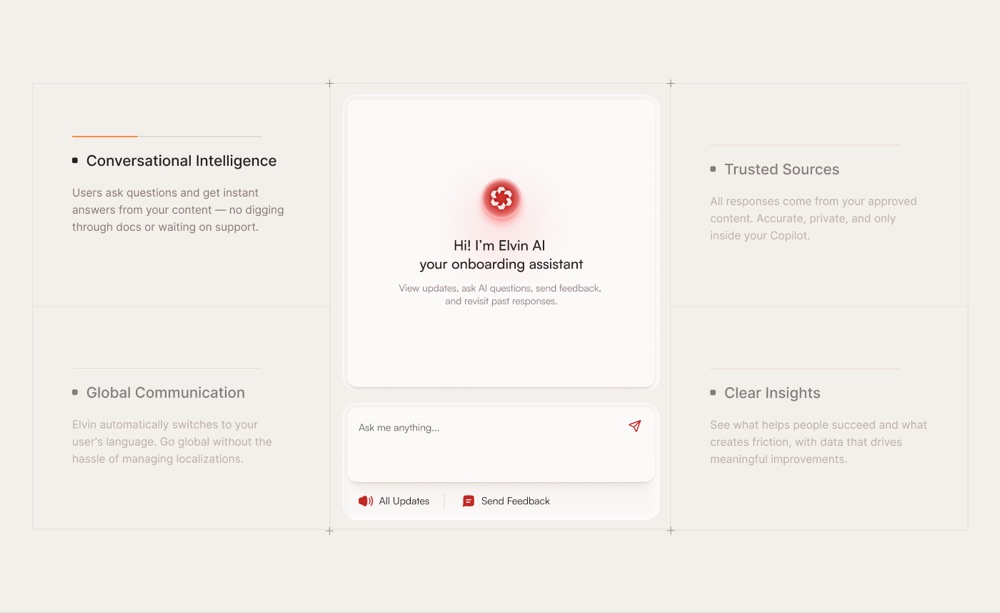
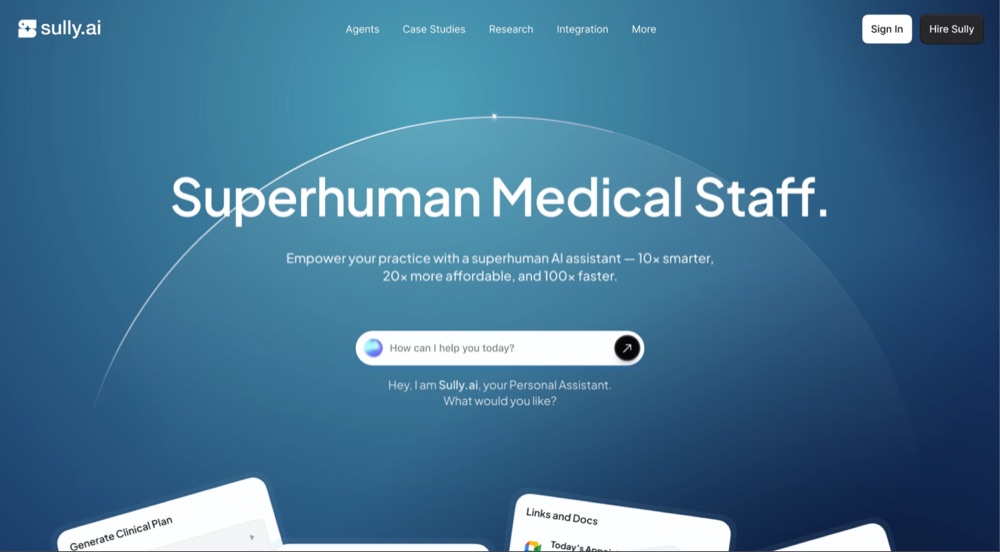
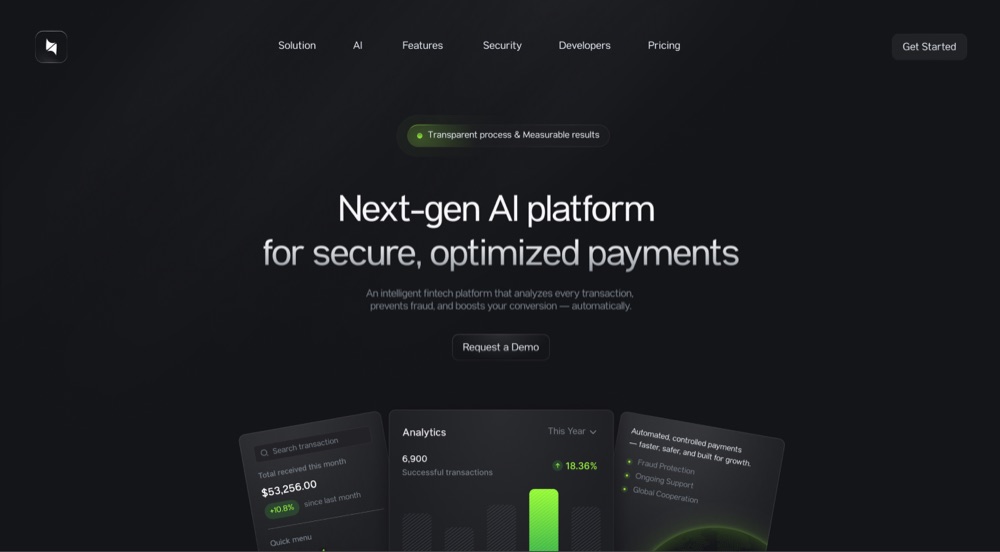
Trusted by 60+ foundersAI product MVPSaaS onboarding flow
Trusted by 60+ founders$1B+ raised by startups we’ve designed for11 products shipped

An MVP is the right format
when this sounds like you

You need to validate before you build

Investing a development budget in an unvalidated idea is the most expensive way to learn. We shape the idea into something testable first.

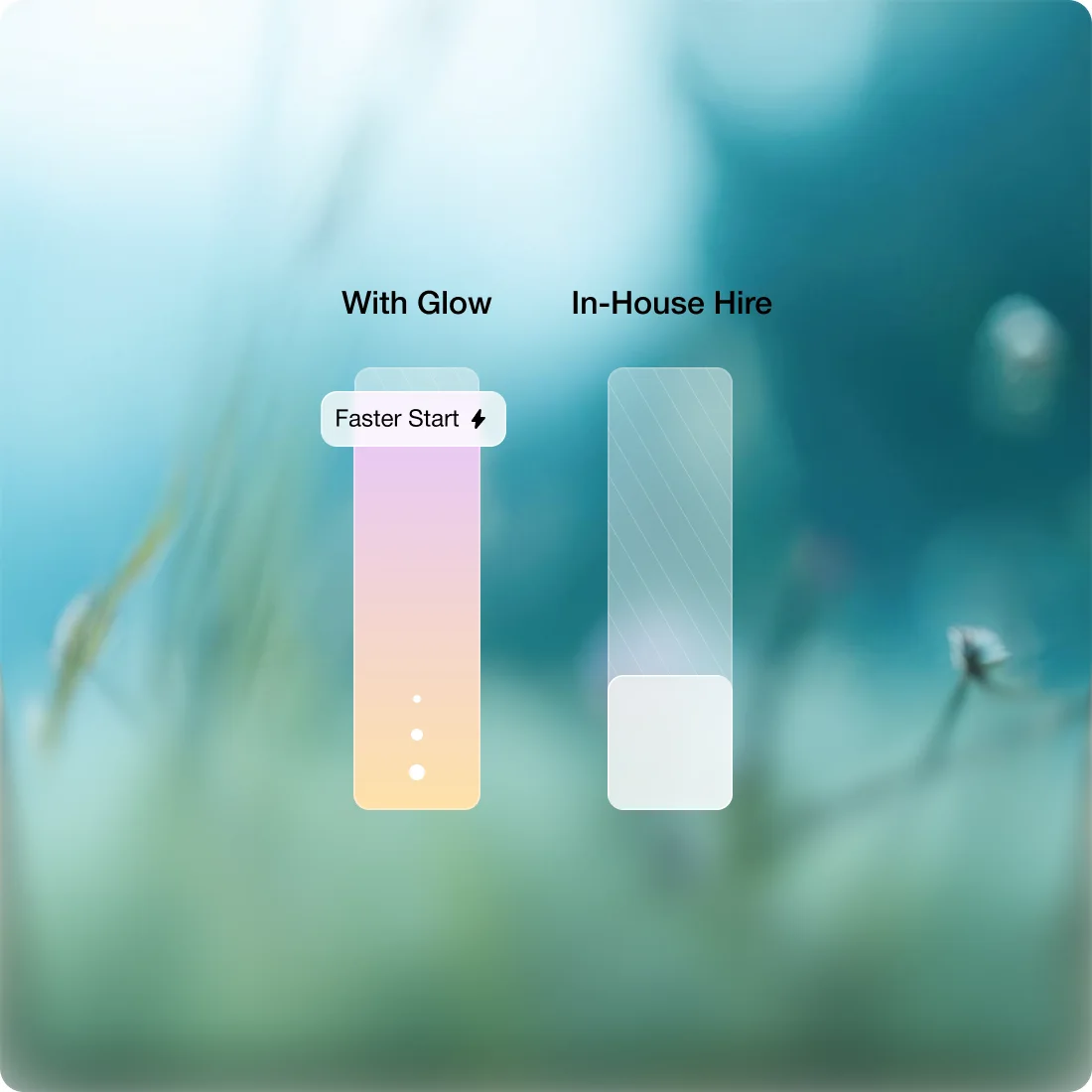
You want to launch faster

A lean, dev-ready product — or a vibe-coded MVP — beats a perfect roadmap. We design for what ships this quarter, not next year.

Activation decides your fate

The core journey has to be designed around activation and early conversion, because a first release lives or dies on whether people get to value.

You need real behaviour to act on

The MVP should generate usage data you can read — so the next release is a decision, not a guess.

What’s included in
an MVP engagement

One team, from the first workshop to the developer handoff.

Product Discovery

Goals, audience, competitors and the one job your product must do. We leave with a scope you can build, not a wishlist.

Core User Flows

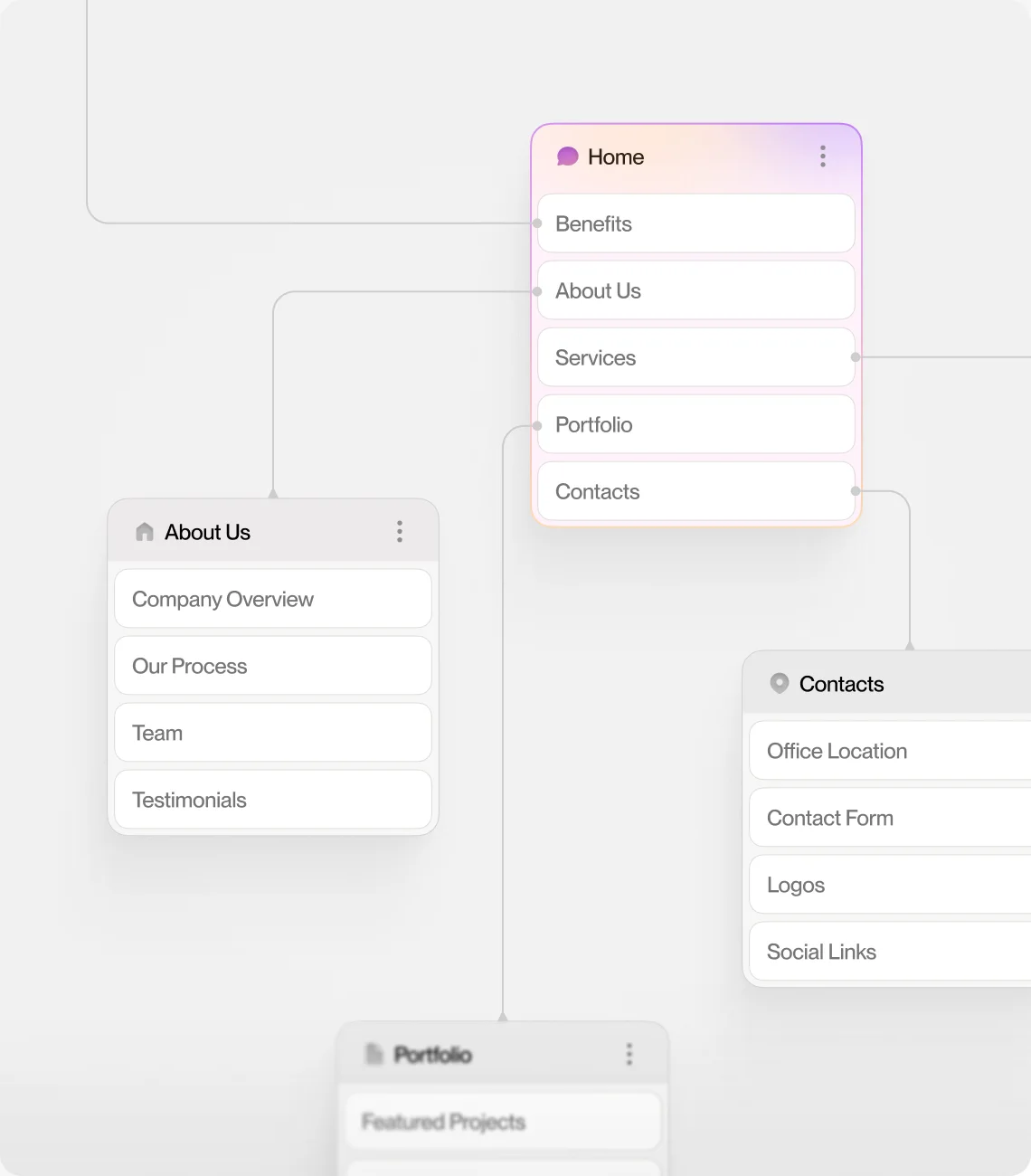
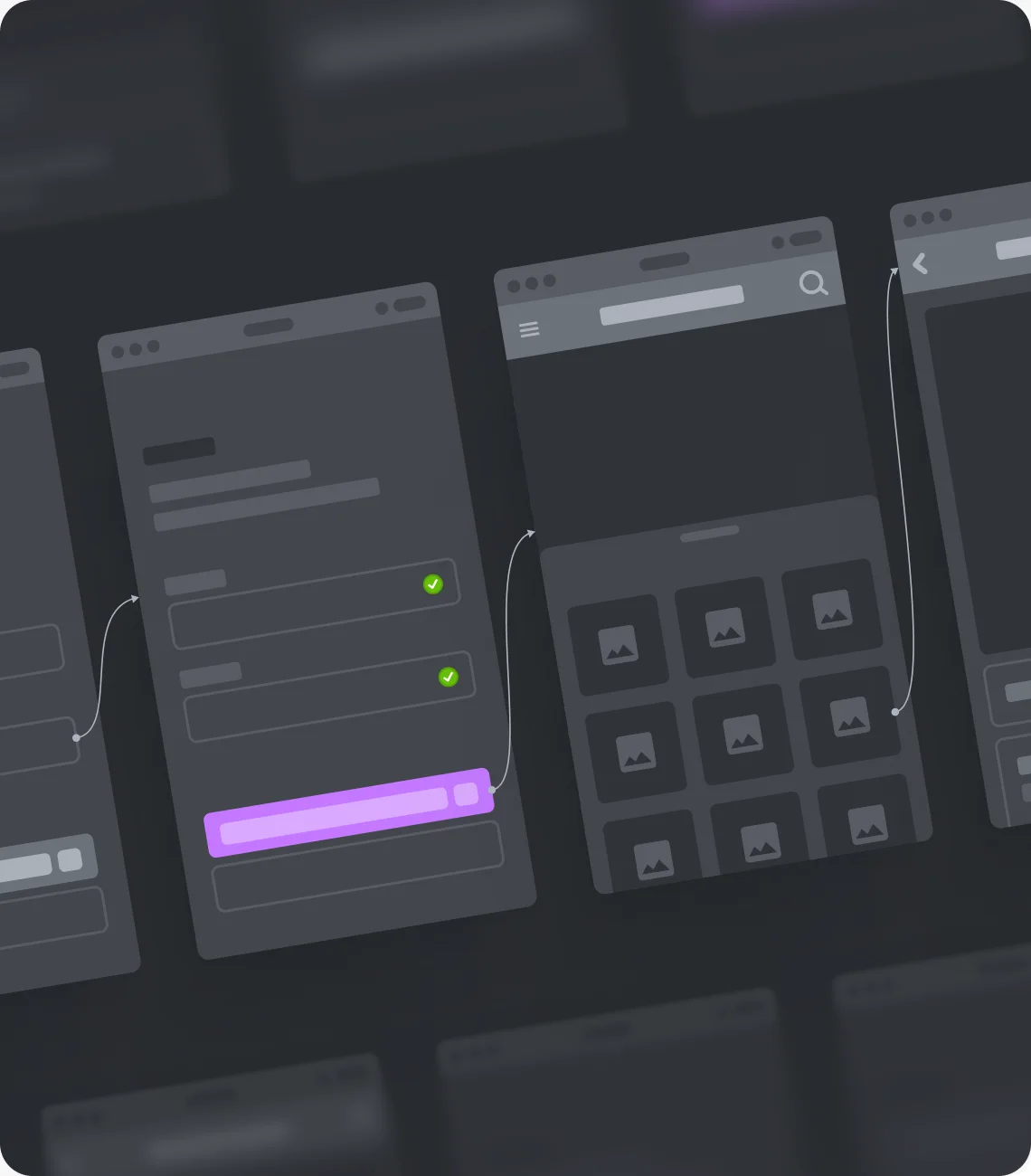
The journeys that matter — signup, activation, the core loop — mapped end to end before a single screen is designed.

UI Design & Design System

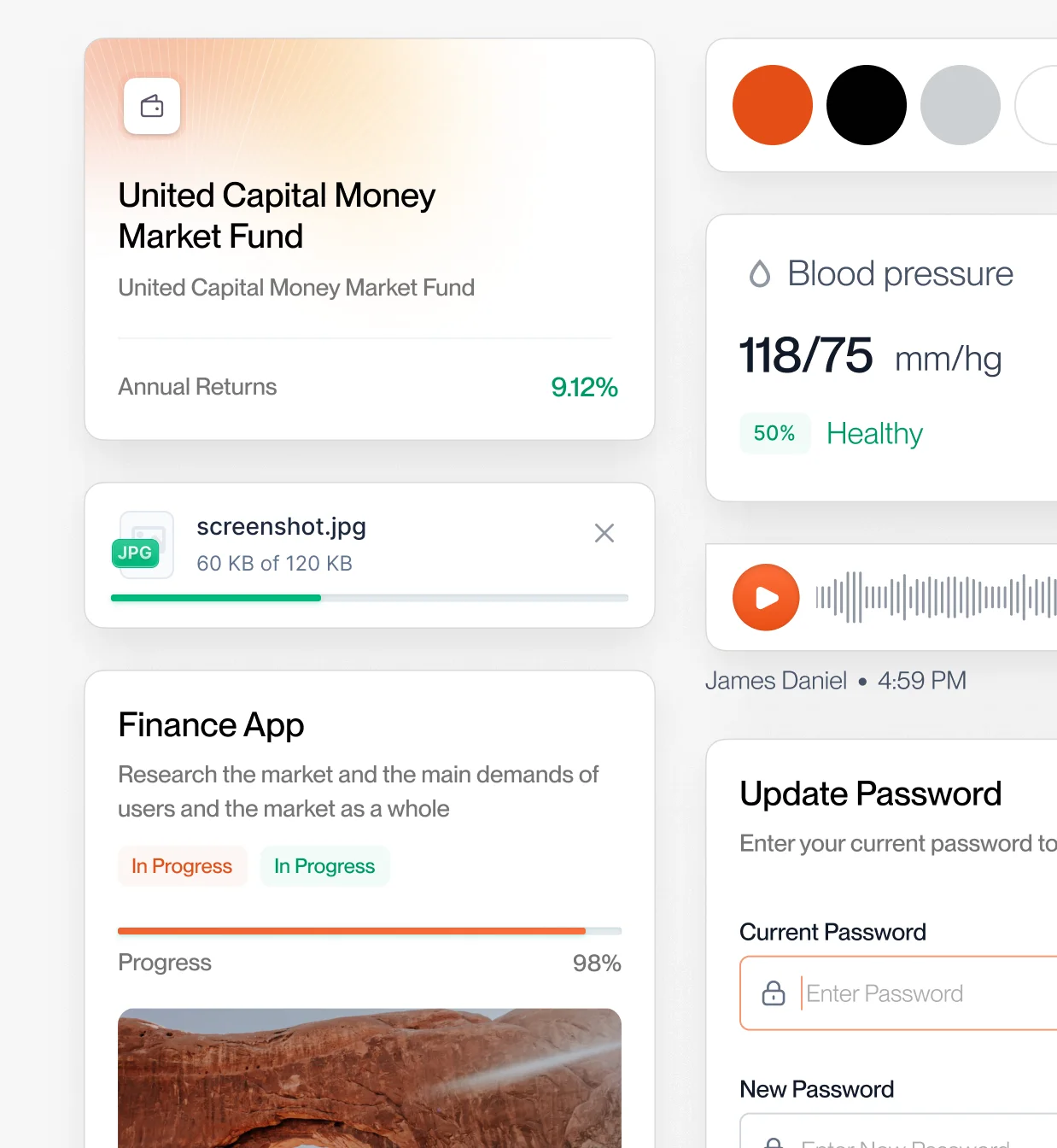
Every screen designed on a small, consistent system, so the product looks finished and the next feature costs less to add.

Clickable Prototype

A prototype real enough to test with users and to show investors — long before there is anything to install.

Developer-Ready Handoff

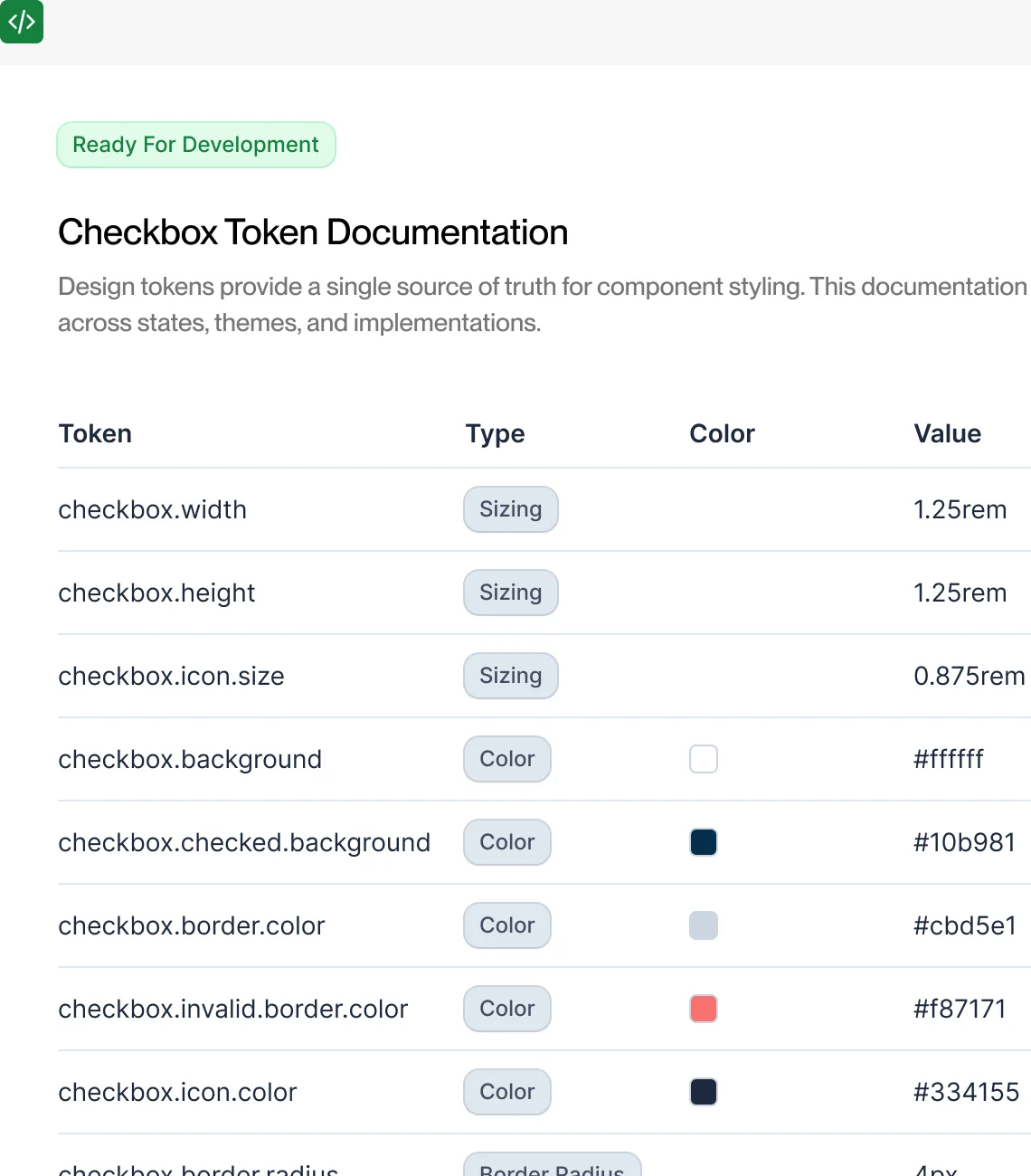
Specs, states, edge cases and assets your engineers can build from without a single "what happens if…" call.

Launch Support

We stay through the build: design QA, the gaps nobody scoped, and the small fixes that decide how the launch feels.

Six to eight weeks,
reviewed every week

You’ll always know what’s happening — and what comes next.

1

Discovery & Scope

We align on the goal, the audience and the single outcome the MVP has to prove — then cut the scope to what serves it.

Week 1

Flows & Wireframes

Core journeys mapped and wireframed, reviewed with you weekly. Structure is agreed before any visual design starts.

Weeks 2–3

UI Design & Prototype

Full UI on a lean design system, assembled into a clickable prototype you can test with real users and show to investors.

Weeks 4–6

Dev-Ready Handoff

Specs, states and assets handed to your team — with us on hand through the build for design QA.

Handoff

A typical MVP runs 6–8 weeks from kickoff to a developer-ready handoff.

“About a week ago, we went a bit viral with 10k users in 2 days and we received a lot of positive feedback about the design - so thank you Glow for that!”
Israel Benarousse
CEO, Dropcall
“Glow Design Agency delivered high-quality UX/UI designs that enabled the client to close more deals. Their animated video and design gained the client almost 500+ new LinkedIn followers. The team executed work on time and within budget.
Doug Marinaro
CEO, Riptide
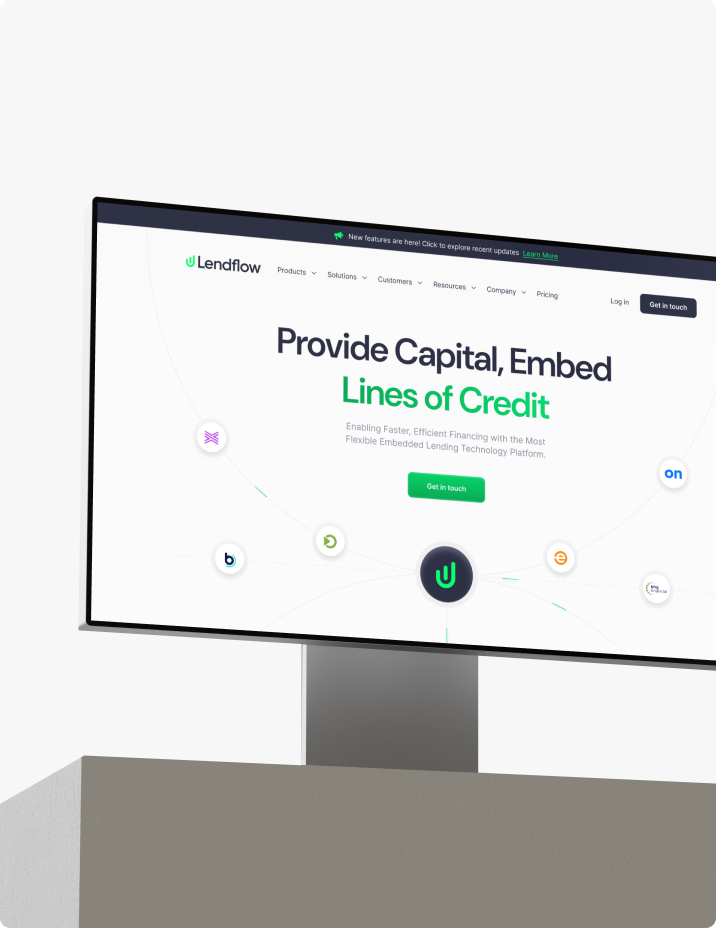
"The design work provided by Glow Design Agency completely exceeded project stakeholder expectations in terms of both quality and delivery. Their team was organized and communicative throughout the process, breaking down complex industry concepts and translating them into a sleek and useable UI."
Jon Fry
CEO & Founder at Lendflow (YC W21)
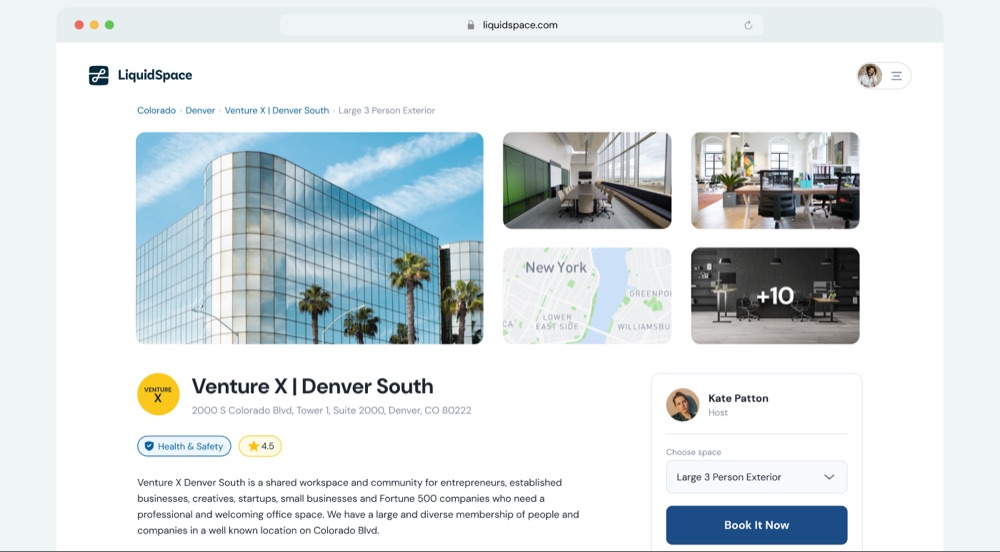
"Glow Design provided UI/UX design for a office space provider and has since expanded their role to include design updates for the site's front- and backend as well as social media visuals and animations."
Eric Zellhart
VP Product at LiquidSpace
"Glow Design Agency provided UI and UX design services for e-cars charging market company. They were tasked with designing the UX and UI of the app's prototype."
Max Grollmann
Managing Director
"Glow was hired by an e-commerce platform for their UI/UX design services. They redesigned website and provided support. After the new website was launched, the client saw a significant increase in conversions."
Vinicius Rodrigues
CTO at E-Commerce Platform

Frequently
asked questions

How long does an MVP engagement take?

A typical MVP runs 6–8 weeks from kickoff to a developer-ready handoff. Products with heavy workflows or several user roles take longer — we scope every project before we start.

A typical MVP runs 6–8 weeks from kickoff to a developer-ready handoff. Products with heavy workflows or several user roles take longer — we scope every project before we start.

What do I need to have ready before we start?

An idea and a decision-maker. Anything else — research, competitor notes, a half-finished spec — helps, but discovery week exists precisely so you do not need it up front.

An idea and a decision-maker. Anything else — research, competitor notes, a half-finished spec — helps, but discovery week exists precisely so you do not need it up front.

Do you also build the product?

We design it and stay through the build. Development is handled by your team or by a partner we can introduce you to; we run design QA either way.

We design it and stay through the build. Development is handled by your team or by a partner we can introduce you to; we run design QA either way.

What if my idea changes halfway through?

It usually does — that is what an MVP is for. Scope is reviewed weekly, and changes that serve the outcome go in; changes that only add surface do not.

It usually does — that is what an MVP is for. Scope is reviewed weekly, and changes that serve the outcome go in; changes that only add surface do not.

Can I use the prototype to raise?

Yes. The clickable prototype is built to be shown — to users, to your team and to investors — well before there is anything to install.

Yes. The clickable prototype is built to be shown — to users, to your team and to investors — well before there is anything to install.

What happens after launch?

Most founders move onto a design retainer so the product keeps improving weekly. If you only need one more defined push, a focused project fits better.

Most founders move onto a design retainer so the product keeps improving weekly. If you only need one more defined push, a focused project fits better.