Sales and CRM UX design
for the tools reps live in
Reps spend their whole day in your product, and every extra click comes out of selling time. We design CRMs, dialers and sales tools that get out of the way, so deals move faster and reporting tells the truth.


Our clientshave raised $1B+ combined
Why UX/UI design matters
for sales platforms
A sales platform is judged on two numbers: how much time it gives back to the team and how many deals move forward. Whether you’re improving a CRM, building lead management or cleaning up sales workflows, good CRM design is where both numbers change.
Boost conversions with user-centered design
A sales funnel only converts as well as the path through it. We design that path around what the buyer is trying to do, so fewer of them stall on a step that made sense internally and nowhere else.
Enhance sales team efficiency
Tracking a lead, finding a contact and moving a deal forward should take one screen and no training. That’s where the hours go back to the team.
Improve customer engagement
When a platform is easy to move through, customers use it instead of emailing someone. Asking a question, comparing an option or placing an order stops being a task they postpone.
NORTHLINE · BOOK A DEMO
The formwhat sales ops wanted to knowwhat the buyer will fill in
NORTHLINE · PIPELINE
Moving a deala form for every stageone drag
KITE RETAIL · PORTAL · ORDERS
Ordering againan email and a waittwo clicks
Our approach to sales UX/UI design
From what you’re trying to sell to a system that keeps working as the team and the market grow.
- Step 1: Understanding your sales goals. We start from the numbers you’re judged on. And the deals you lose today, not in theory.
- Step 2: Designing for sales efficiency. Lead capture, pipeline and customer records. Reporting your team reads without exporting it.
- Step 3: Creating scalable solutions. A system that holds a new feature or market. Components your developers extend, not redraw.
Sales platforms
we specialize in
CRM systems
CRM system design that keeps lead generation, tracking and customer communication in one flow instead of three, with a CRM dashboard design leadership actually reads.
Sales enablement tools
The material, pricing and answers a seller needs at the moment of the call, not filed somewhere they’ll look later.
Call & conversation intelligence
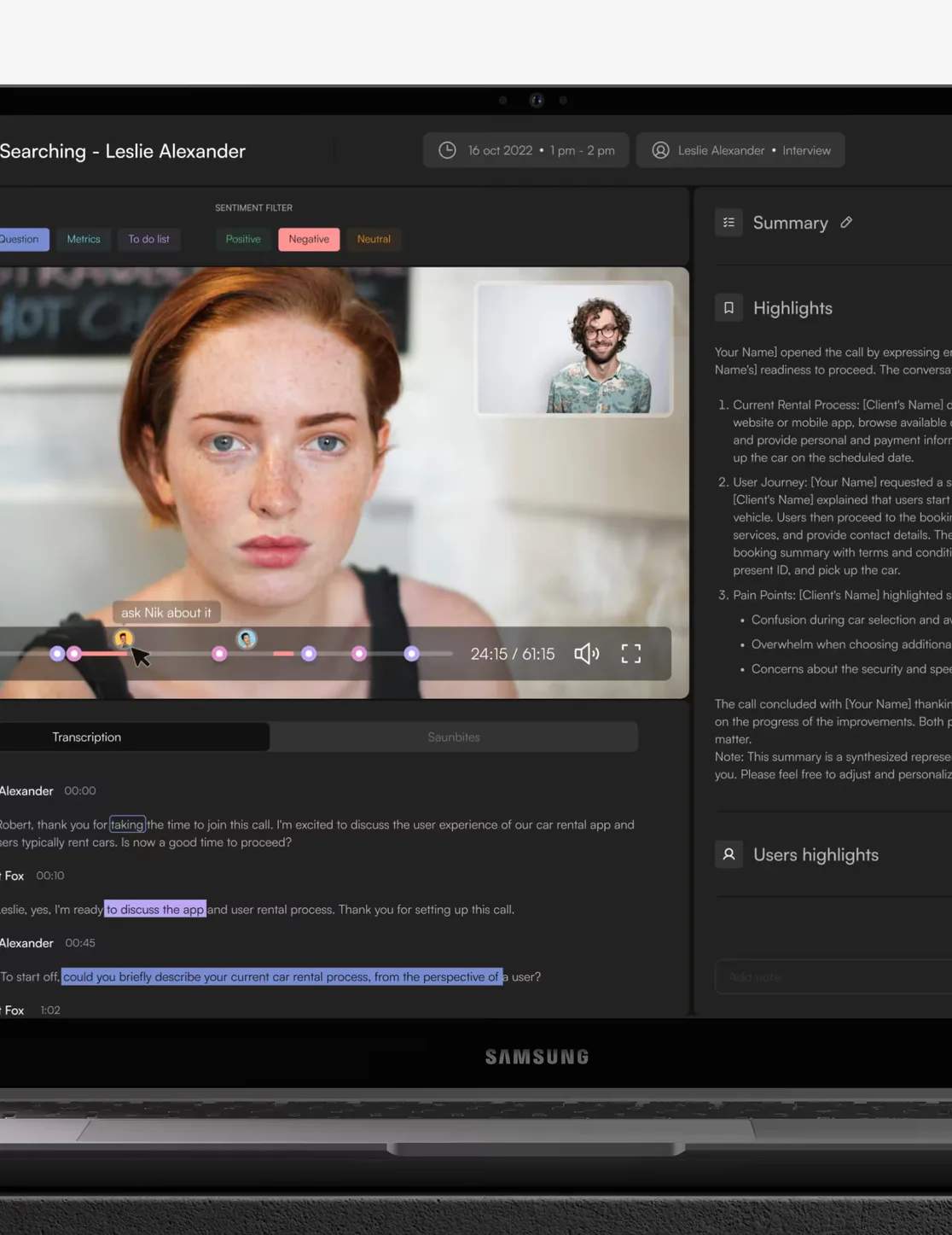
Dialers, call recording and meeting insights that turn every conversation into notes, next steps and coaching, without extra admin for the rep.
Lead management platforms
Capture, qualify and nurture in one place, so a lead gets followed up because the system made it obvious, not because someone remembered.


Products we’ve designed
for teams that sell


%20(1).jpg)



Why choose Glow for
sales UX/UI design
Expertise in sales platforms
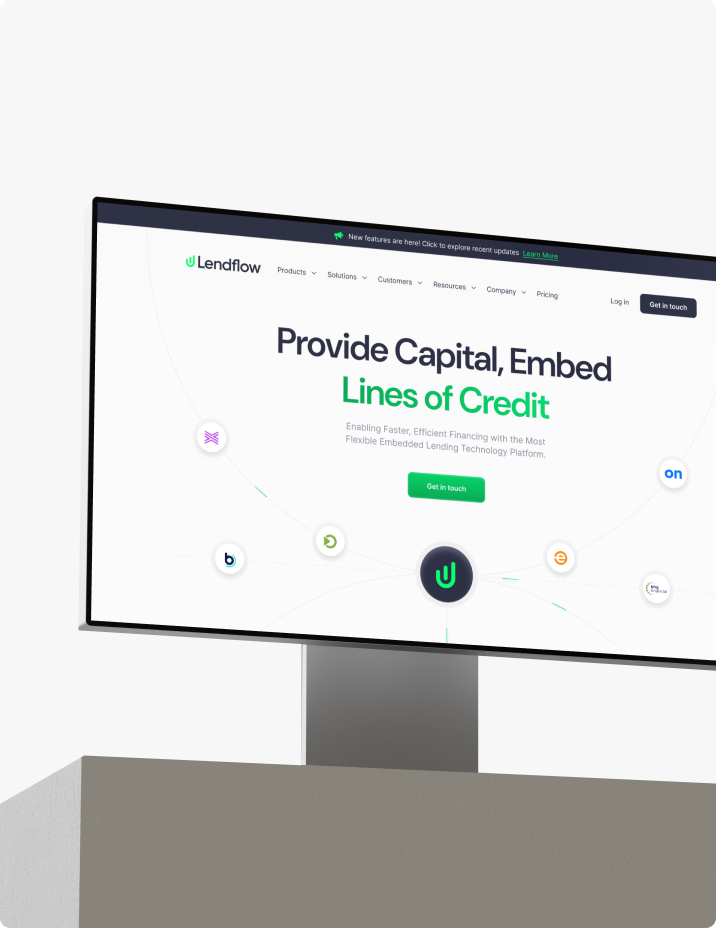
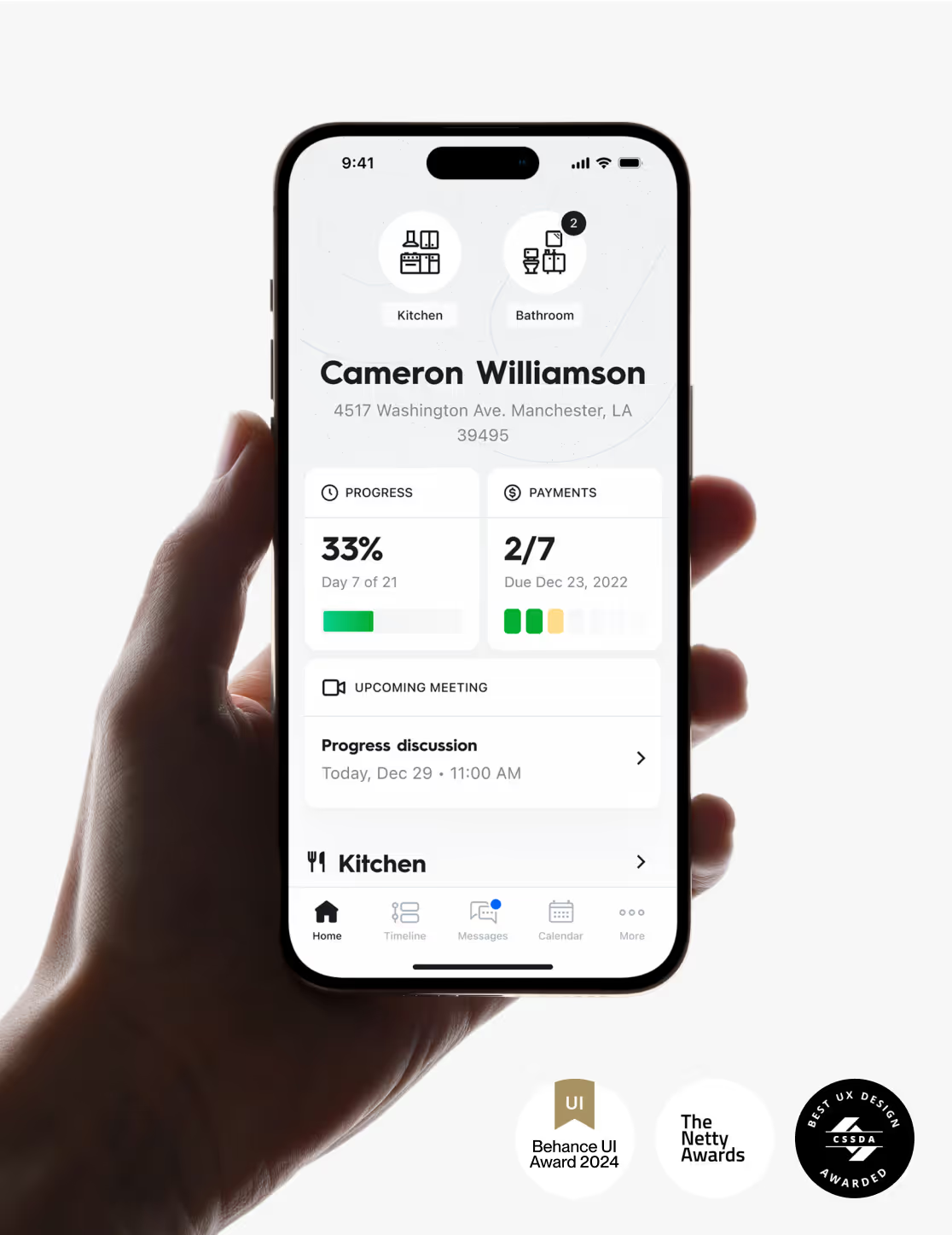
Our sales software design covers the tools teams work in every day: outbound calling, call intelligence, embedded lending and product adoption, where the interface is the working day.
Designs judged on business results
At the start we agree which numbers the work should move (conversion, adoption, time to close) and report against those, not against screens delivered.
Usability and conversion, not one or the other
An interface that’s pleasant but doesn’t sell has failed, and so has one that converts by tricking people. We design for both to hold.
Frequently
asked questions
Both, and the honest answer usually comes out of a short review. Rebuilding a CRM your team already knows is expensive and risky, and the wins often sit in three or four screens people touch fifty times a day. When the data model itself is the problem, a redesign is the cheaper route, and we’ll say so.
Both, and the honest answer usually comes out of a short review. Rebuilding a CRM your team already knows is expensive and risky, and the wins often sit in three or four screens people touch fifty times a day. When the data model itself is the problem, a redesign is the cheaper route, and we’ll say so.
Yes, the parts around it. Most teams run their own layer on top: a quoting tool, a partner portal, a dashboard leadership actually reads, an onboarding flow for new reps. That layer is where the friction lives, and we can design it without touching the platform underneath.
Yes, the parts around it. Most teams run their own layer on top: a quoting tool, a partner portal, a dashboard leadership actually reads, an onboarding flow for new reps. That layer is where the friction lives, and we can design it without touching the platform underneath.
A sales platform has an inside user and an outside one, and they want opposite things: the seller wants density, the customer wants clarity. We design them as two surfaces on one system instead of compromising into an interface that suits neither.
A sales platform has an inside user and an outside one, and they want opposite things: the seller wants density, the customer wants clarity. We design them as two surfaces on one system instead of compromising into an interface that suits neither.
That’s the normal case. You get dev-ready files with specs and components and a design system your team extends rather than redraws. We work in your sprint cadence, so handover is a conversation, not an event.
That’s the normal case. You get dev-ready files with specs and components and a design system your team extends rather than redraws. We work in your sprint cadence, so handover is a conversation, not an event.
It depends on scope, and you get the timeline with the price after a short review, before anything starts. One flow or one module takes weeks. A platform with several roles and a reporting layer takes longer.
It depends on scope, and you get the timeline with the price after a short review, before anything starts. One flow or one module takes weeks. A platform with several roles and a reporting layer takes longer.
You do, from day one: files, source and design system, with no clause that keeps any of it with us.
You do, from day one: files, source and design system, with no clause that keeps any of it with us.