Designer and Developer Collaboration: How to Make It Work


Why designer developer collaboration breaks down, and the mindset, practices, and tools that turn handoff friction into a shared workflow.
Every product team has felt it. The designer hands off a polished file, the developer builds something that looks 80% right, and a week of back-and-forth follows over spacing, states, and "that is not what I meant." Good designer developer collaboration is what turns that friction into a shared workflow, where the two roles build the product together instead of throwing it over a wall. It is less about better handoff files and more about how the two teams talk, when they get involved, and whether they see themselves as opponents or partners.
This guide covers why collaboration breaks down, the mindset shift that fixes it, and the specific practices and tools that make it stick. At Glow we plug our designers into client engineering teams for a living, so these are the patterns we have watched work across very different setups.
Why designer developer collaboration breaks down
The tension between designers and developers is common enough to be a cliche, but the causes are specific and worth naming. Nielsen Norman Group's writing on the developer-designer relationship traces most of it to a few roots, and they match what we see in practice.
Past experience shapes a lot of the friction. A developer who has been handed unbuildable designs before comes in defensive. A designer whose work has been quietly "simplified" in the build comes in controlling. Neither is reacting to the person in front of them; they are reacting to the last team that burned them.
Power dynamics pile on top. Arguments over who has the final say tend to surface at the worst moment, when design will not sign off because changes landed late without moving the deadline, or when development declares a "simple" screen will eat a month of cycles and forces a redesign. Underneath both is often low team maturity: when finger-pointing replaces ownership, trust erodes, and developers stop giving feedback in design reviews only to air every objection during the build. The deepest cause, though, is usually process. Bring developers in only after user testing and stakeholder sign-off, and they inherit decisions they had no chance to shape. Rework and resentment follow.
The mindset that fixes it: co-owning the outcome

The single biggest shift is moving from "your part and my part" to shared ownership of the result. The designer owns the design. The developer owns the code. Both co-own the product experience the user actually gets. That framing sounds soft, but it changes behavior in concrete ways. When a designer treats a developer as a co-owner, they bring them the problem early instead of a finished solution to implement. When a developer treats a designer as a co-owner, they raise a feasibility concern in week one, not week five.
A few habits make co-ownership real rather than a poster on the wall. Build a genuine relationship with one person on the other team first, so you have someone to sanity-check tradeoffs with outside of tense meetings. Communicate to understand, not to win; repeating back what you heard ("what I hear you saying is...") sounds awkward and prevents a surprising number of rebuilds. And acknowledge invisible work, the added complexity a tiny design tweak creates, or the backlog grooming nobody sees. A simple thank you does more for velocity than most process changes.
Practices that actually improve collaboration
Mindset sets the direction, but daily practices are what people can act on. These are the ones with the highest payoff.
Involve developers from the first sketch
It is never too early to bring a developer in. A wireframe, a rough flow, even a gut check on feasibility, all improve when an engineering perspective arrives before the design is locked. Early involvement catches the "this will be expensive to build" problems while they are still cheap to change, and it gives developers a stake in decisions instead of a fait accompli. This is also the fix for the biggest process failure: designs that reach engineering only after everyone else has already blessed them.
Build a shared vocabulary
Designers and developers routinely use different words for the same thing, or the same word for different things. One team says "breakpoint," the other says "responsive behavior." One means something specific by "component" that the other does not. Agreeing on language early removes a whole category of misunderstanding. When a term is ambiguous, define it once and use it consistently. Skipping jargon on both sides, and explaining the point plainly, keeps everyone in the room able to follow along instead of nodding through confusion.
Make a design system the single source of truth
A shared design system is the most reliable bridge between design and code. When colors, spacing, typography, and components live in one documented place that both teams reference, handoff stops being a translation exercise. Developers build against known tokens and patterns instead of eyeballing a mockup, and designers stop respecifying the same button on every screen. The system also enforces consistency the product would otherwise lose as it grows. Building and maintaining that shared foundation is a core part of our UI/UX design services, precisely because it does so much of the collaboration work quietly in the background.
Treat handoff as a conversation, not a wall
The word "handoff" is misleading. The best teams do not hand designs over and walk away; they treat the transition as an ongoing conversation. Designers stay reachable during the build, review implementation as it takes shape, and expect questions rather than resenting them. Developers flag ambiguity early instead of guessing. The old model, where design finishes and development starts as separate phases, is where most of the rework hides. A continuous back-and-forth, ideally with designers watching the build progress, keeps small deviations from compounding into big ones.
Communicate the why, not just the what
A mockup shows what the interface looks like. It rarely shows why a decision was made, and that gap is where faithful implementation dies. When a developer knows that a form was cut to one field because testing showed users abandoning the longer version, they protect that decision under pressure instead of quietly adding fields back. Annotated files, short rationale notes, and design reviews that explain intent give developers the reasoning they need to build the product you actually meant, and to make good calls when they hit a case the mockup did not cover.
Tools that support the workflow
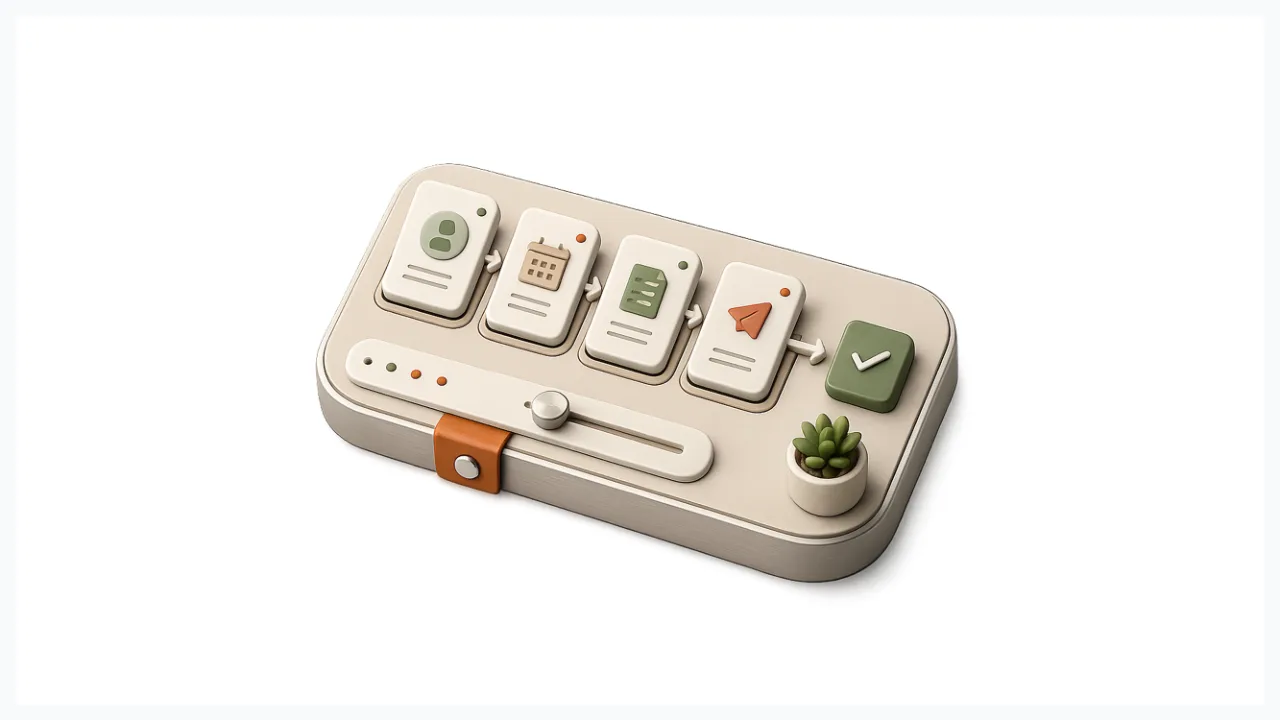
Tools do not create collaboration, but the right ones remove friction. Figma's Dev Mode lets developers inspect spacing, tokens, and generated code directly from the design file, so specs stay in sync with the source instead of drifting in a separate document. A component library in Storybook gives both teams a live, coded reference for how each element actually behaves in the browser. Shared boards in Jira or Linear keep design and build work visible in one backlog rather than two disconnected lists.
The principle behind all of them is a single source of truth. When design specs, coded components, and task tracking each live in one agreed place, nobody wastes time reconciling three versions of reality. Pick tools that both teams will actually open, keep them current, and resist the urge to maintain the same information in five places.
Collaborating across time zones and remote teams
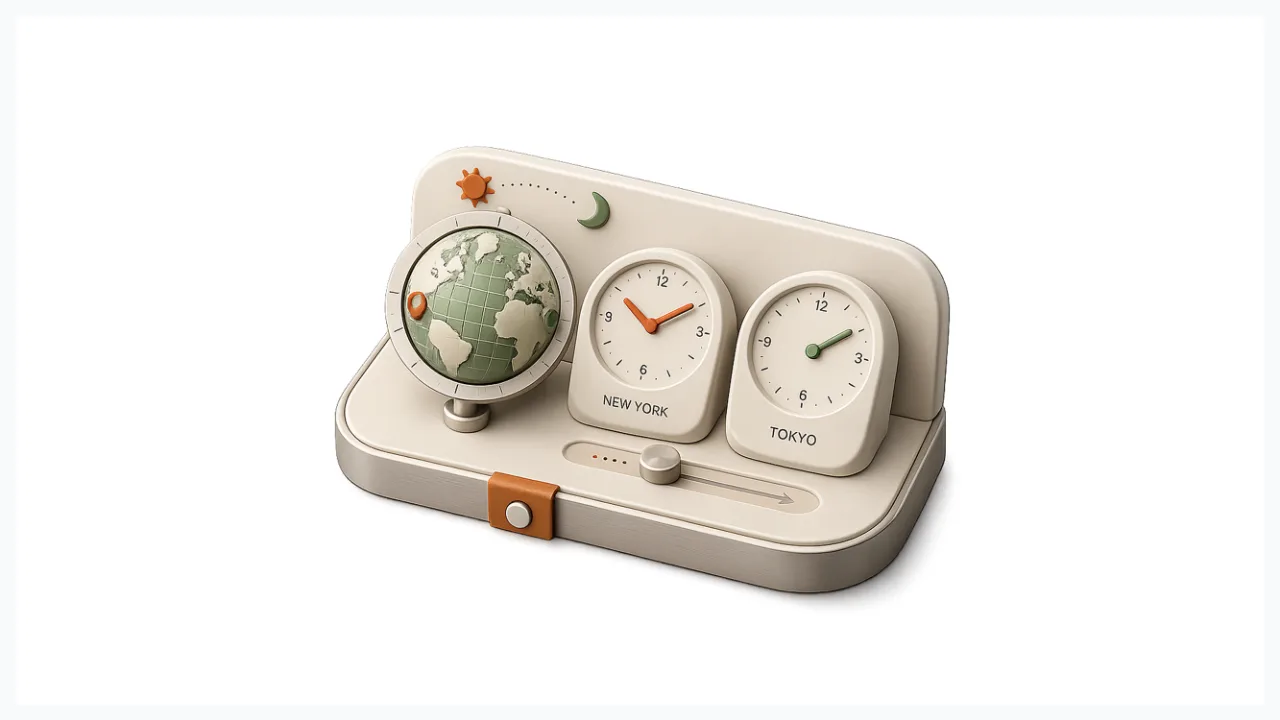
Distributed teams raise the stakes on everything above, because you cannot lean over and ask a quick question. When a designer in one time zone and a developer in another share only a few overlapping hours, ambiguity that would take thirty seconds to clear in person can cost a full day. That is why remote collaboration leans harder on written clarity: thorough annotations, a well-kept design system, and rationale captured in the file rather than in someone's head.
Asynchronous work can actually be an advantage when the foundations are solid. A designer records a short walkthrough of a flow before logging off, and the developer picks it up with full context the next morning. Overlapping hours get reserved for the conversations that genuinely need to be live, like working through a tricky tradeoff, rather than routine clarifications. Working this way across time zones is normal for us at Glow, and our team has learned that the products that stay smooth are the ones where the shared references are strong enough that nobody is blocked waiting for an answer. You can see how that plays out across our work with distributed product teams.
How to tell your collaboration is working
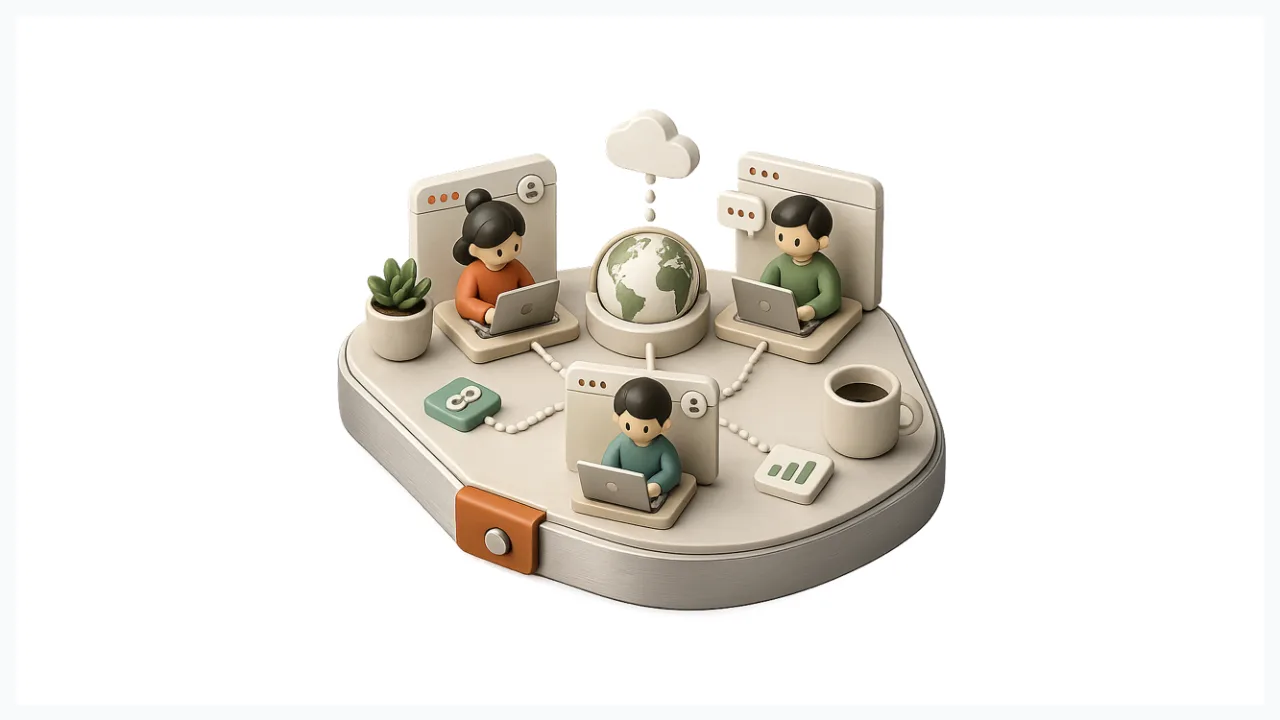
You do not need a survey to know whether design and development are actually collaborating. The signals are in the work. Rework drops, because fewer designs come back for feasibility fixes late in the build. Velocity climbs, since designs move to shipped with fewer roadblocks. Developers start speaking up in design reviews instead of saving objections for the build phase, and designers accept "this will take a while" without a fight, because trust has replaced suspicion.
The clearest tell is the tone of the conversation. When tradeoff discussions feel like two people solving one problem rather than two teams defending turf, the collaboration is healthy. When they feel like negotiations between adversaries, something upstream, usually process or trust, still needs work.
Frequently Asked Questions
Why is designer developer collaboration important?
Because the user experiences the built product, not the mockup. When designers and developers collaborate well, decisions survive the build, rework drops, and the product ships faster and closer to intent. When they do not, teams lose weeks to misunderstandings and the final product drifts from what was designed and tested.
What causes conflict between designers and developers?
Usually a mix of past bad experiences, unclear authority over final decisions, low trust, and process that brings developers in too late. Most of these are structural rather than personal. Involving engineering early, agreeing on shared language, and treating both roles as co-owners of the outcome removes most of the friction.
What is a design handoff?
A design handoff is the point where finished designs move to the development team to build. The better framing is that it is not a single moment but an ongoing conversation: designers stay available during the build, developers ask questions as they arise, and both track implementation together rather than treating design and development as separate phases.
How can I improve design to development handoff?
Involve developers before designs are locked, keep a shared design system as the single source of truth, annotate the reasoning behind decisions, and use tools like Figma Dev Mode so specs stay in sync with the source file. Above all, keep the designer reachable during the build instead of disappearing after handoff.
What tools help designer developer collaboration?
Figma Dev Mode for inspecting specs and tokens, a component library in Storybook for a live coded reference, and shared boards in Jira or Linear so design and build work sit in one backlog. The tool matters less than the discipline of keeping one agreed source of truth that both teams actually use.
How do designers and developers work together on remote teams?
Remote and cross-time-zone teams rely on written clarity: strong annotations, a maintained design system, and rationale captured in the file. Short recorded walkthroughs let work continue asynchronously, while the limited overlapping hours get saved for the tradeoff conversations that genuinely need to happen live.
Better designer developer collaboration is rarely about a new tool or a stricter handoff checklist. It comes from involving both roles early, sharing a language and a design system, and treating the product as something the two teams own together. If your designs keep drifting between the file and the finished build, that gap is usually a collaboration problem worth fixing at the root. Get a quote from Glow or start our 3-day free trial, no charge and no commitment, and see how a design team that works well with developers changes what your product ships.

.svg)

Related Articles Prompted by Glow















Get weekly glow prompts—
insights from the frontline of product design
Check your inbox for future updates.

No spam.
Just sharp insights that make you better at design & AI.
Want results like this? Book a call
Let's talk through your product in 20 minutes — no briefs, no fluff. Just a real conversation.