Users do not understand what they are signing
Hex strings and gas fees in ETH mean nothing to mainstream users, so they do not sign. When a transaction fails, a cryptic error leaves them stranded instead of guiding them through what went wrong.
Blockchain technology is powerful. Most people still cannot use it. We design Web3 products where the complexity of the underlying technology becomes invisible to the user - and what remains is a product that works.


Most Web3 products are designed by and for people who already understand blockchain. That is a tiny fraction of the potential user base. The products that win in Web3 will be the ones that translate complex decentralized systems into interfaces that feel as simple and trustworthy as the products users already depend on. That translation is a design problem - and it is the one we specialize in.
Blockchain complexity handled in the interface, not dumped on the user
Trust signals designed for users unfamiliar with decentralized systems
Multi-step transaction flows simplified without sacrificing transparency
Wallets, signing flows, and gas UX made accessible to first-time crypto users
Web3 products have a higher UX barrier than almost any other product category. Every friction point is an opportunity for users to give up - and most Web3 UIs have dozens of friction points.
Hex strings and gas fees in ETH mean nothing to mainstream users, so they do not sign. When a transaction fails, a cryptic error leaves them stranded instead of guiding them through what went wrong.
For most new Web3 users, connecting a wallet is the hardest part of using any decentralized product, and the biggest conversion barrier. The next billion users will meet it on their phones.
Slippage tolerance, liquidity pools and APY shown without context leave users afraid to act. Unclear ownership proofs, fees and bidding flows undermine confidence at the moment of purchase.
Real products, real users, real conversion improvements.
From DeFi protocols to NFT platforms - design that makes decentralized products usable for everyone.
Interviews and usability tests on real dApps show how your users think about crypto, where they hesitate and where they get stuck.
Pools, staking, yield and swaps shown with the context people need, so users who are not DeFi experts act with confidence.
Wallet setup, assets, confirmations and cross-chain moves made simple, for first-time users and power users alike.
Clear ownership, transparent fees and bidding flows that earn trust at the moment people spend real money.
Signing, contract approvals and governance votes designed so users know exactly what they are authorizing.
One documented component library for wallet states, transactions, assets and Web3 errors, built to scale across chains.
ARCLIGHT · SIGN TEST · 12 INTERVIEWS
Signingguessing what feels safeasking people new to crypto
ARCLIGHT · POOL · USDC / ETH
DeFi poolsix terms before one depositwhat you put in, and what it earns
ARCLIGHT WALLET · ASSETS
Walleta network switch for every chainevery chain in one list
TIDEPOOL · iOS · CHECKOUT
NFT checkouta price and a Buy buttonthe maker, every fee, what you own
TIDEPOOL · WALLET · SIGNATURE
setApprovalForAll( 0x1E0049…3d7a, true)Lets Tidepool Market move all 14 of your NFTsUntil you revoke it in SettingsDecodedSpender verifiedRevocableRejectSignContract approvalraw calldata and a Sign buttonwhat it lets the app do, in plain words
ARCLIGHT DESIGN SYSTEM · TX STATES
No shared ruleEach screen says “pending” its own way<TxStatus state="pending" eta={15} />Plain words · time left · a link to the explorer · never a raw hashPending stateevery team writes it its own wayone component, one rule
We understand the pace of Web3 development. We move with it. A Web3 product design engagement typically runs 6-10 weeks. Products with complex DeFi mechanics or multi-chain requirements may run 10-14 weeks.
The Web3 products that grow beyond early adopters are the ones that do not require users to be crypto experts. We design for the mainstream - without dumbing down the product for the users who already understand it.
Gas fees, wallet states, transaction pending states, smart contract approval flows, multi-chain interactions - we design for the full complexity of decentralized product development, not a simplified version of it.
In Web3, every design decision either builds or erodes user trust. We design trust signals, transparency mechanisms, and error recovery flows that make users feel safe at every step.
The next billion crypto users are coming through mobile. We design Web3 products mobile-first - because the future of Web3 adoption depends on it.
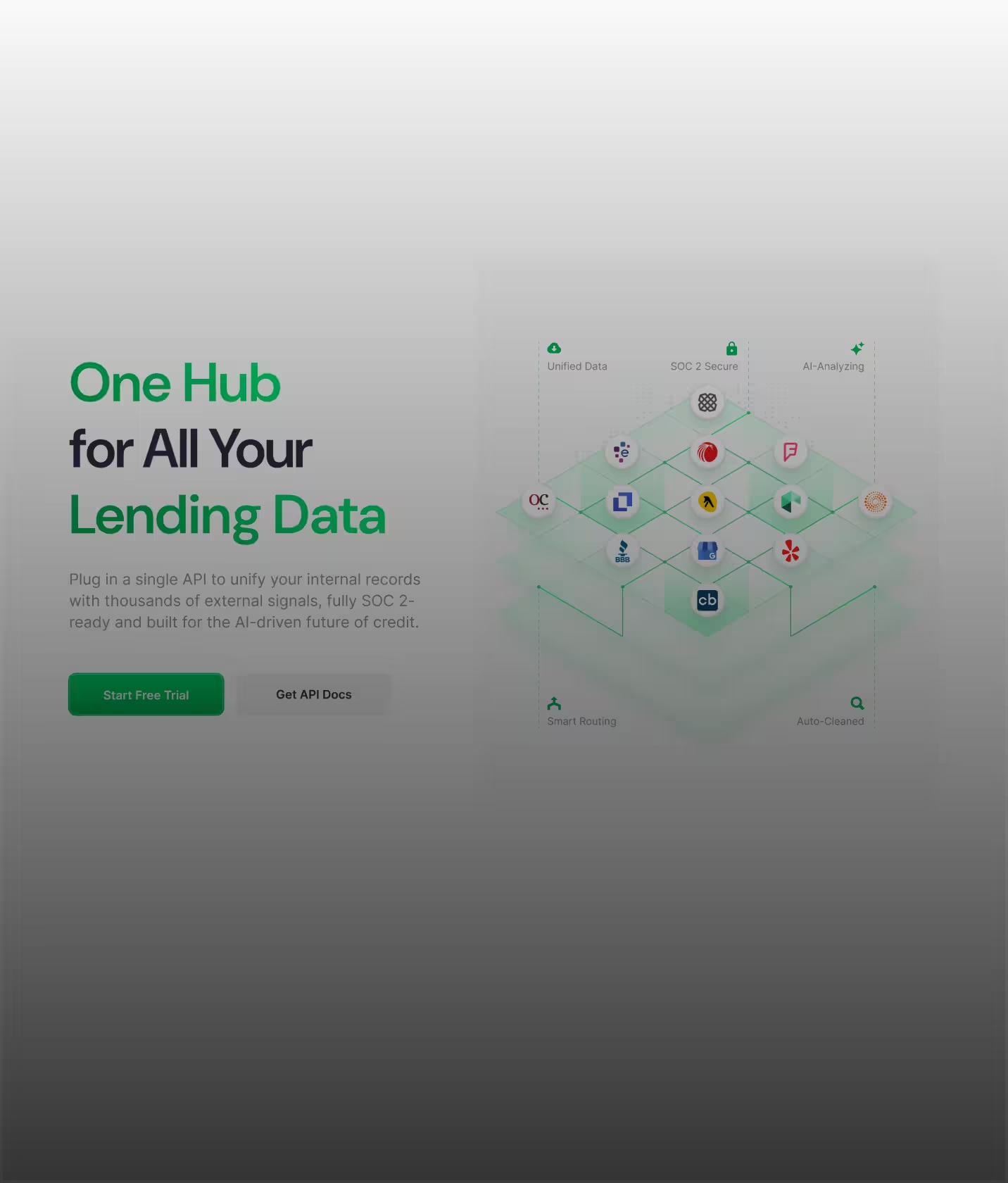

"The design work provided by Glow Design Agency completely exceeded project stakeholder expectations in terms of both quality and delivery. Their team was organized and communicative throughout the process, breaking down complex industry concepts and translating them into a sleek and useable UI."
Jon Fry·CEO & Founder at Lendflow (YC W21)
View story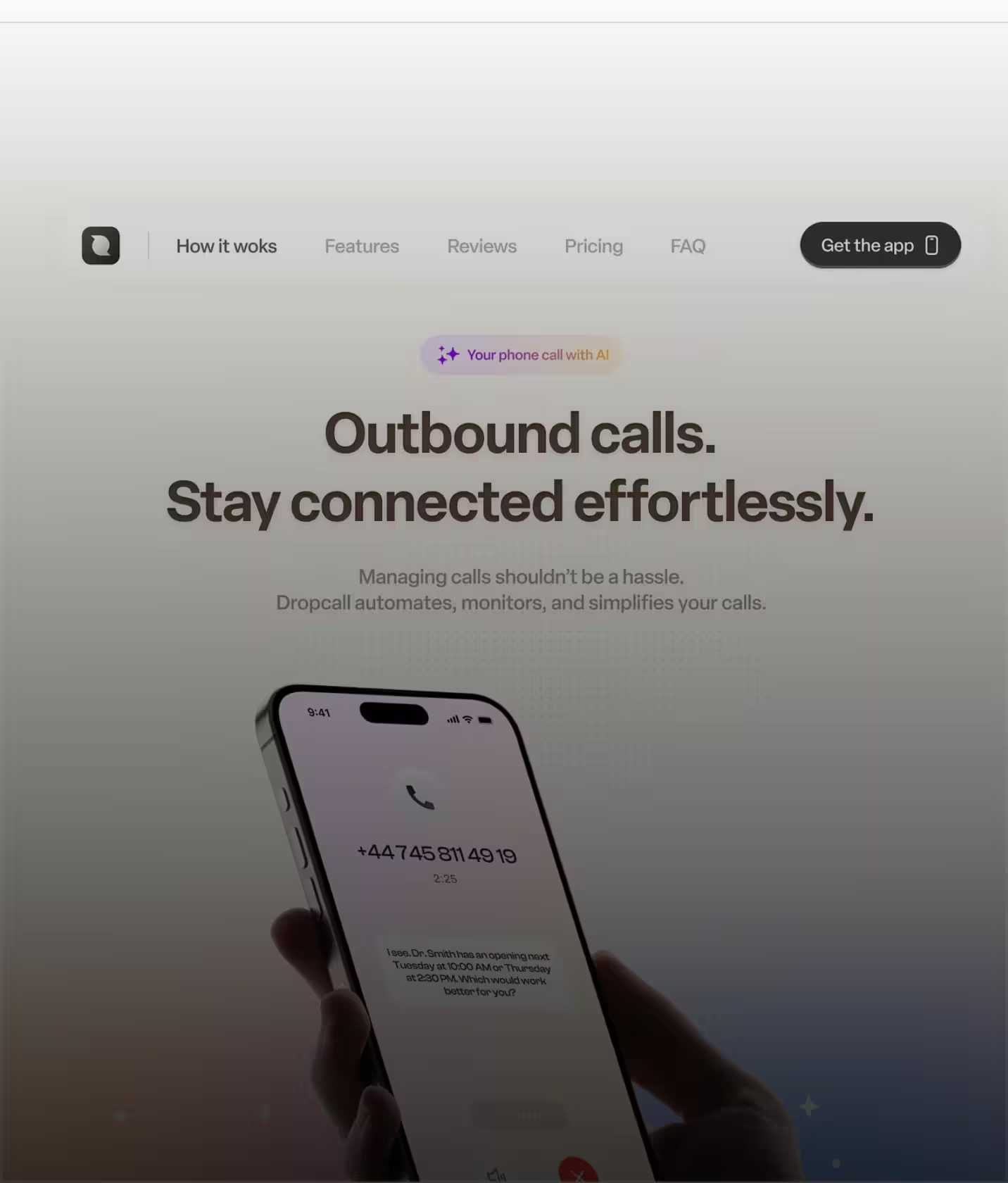

“About a week ago, we went a bit viral with 10k users in 2 days and we received a lot of positive feedback about the design - so thank you Glow for that!”
Israel Benarousse·CEO, Dropcall
View story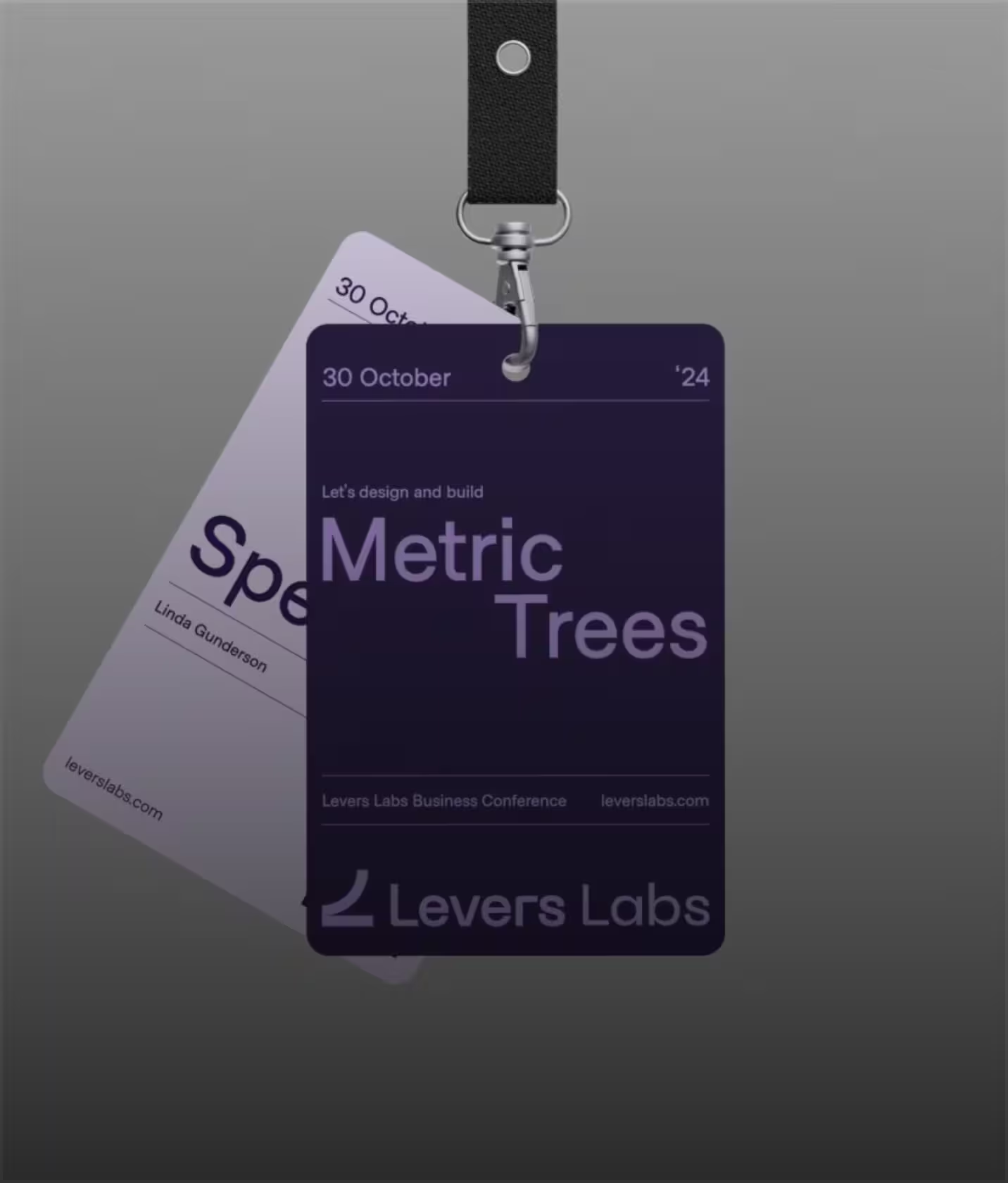

“Glow Design Agency delivered high-quality UX/UI designs that enabled the client to close more deals. Their animated video and design gained the client almost 500+ new LinkedIn followers. The team executed work on time and within budget.
Doug Marinaro·CEO, Riptide
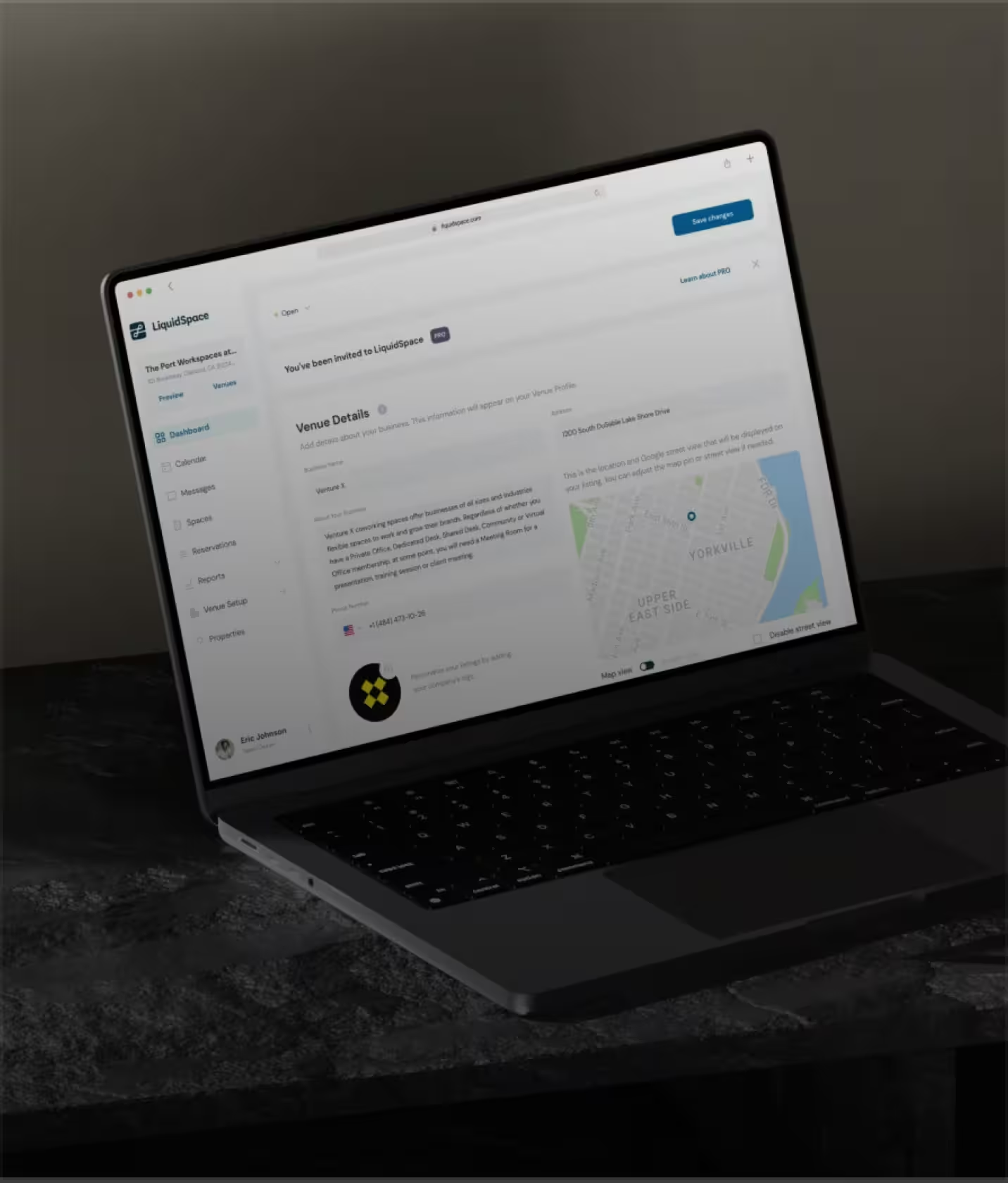

"Glow Design provided UI/UX design for a office space provider and has since expanded their role to include design updates for the site's front- and backend as well as social media visuals and animations."
Eric Zellhart·VP Product at LiquidSpace
View story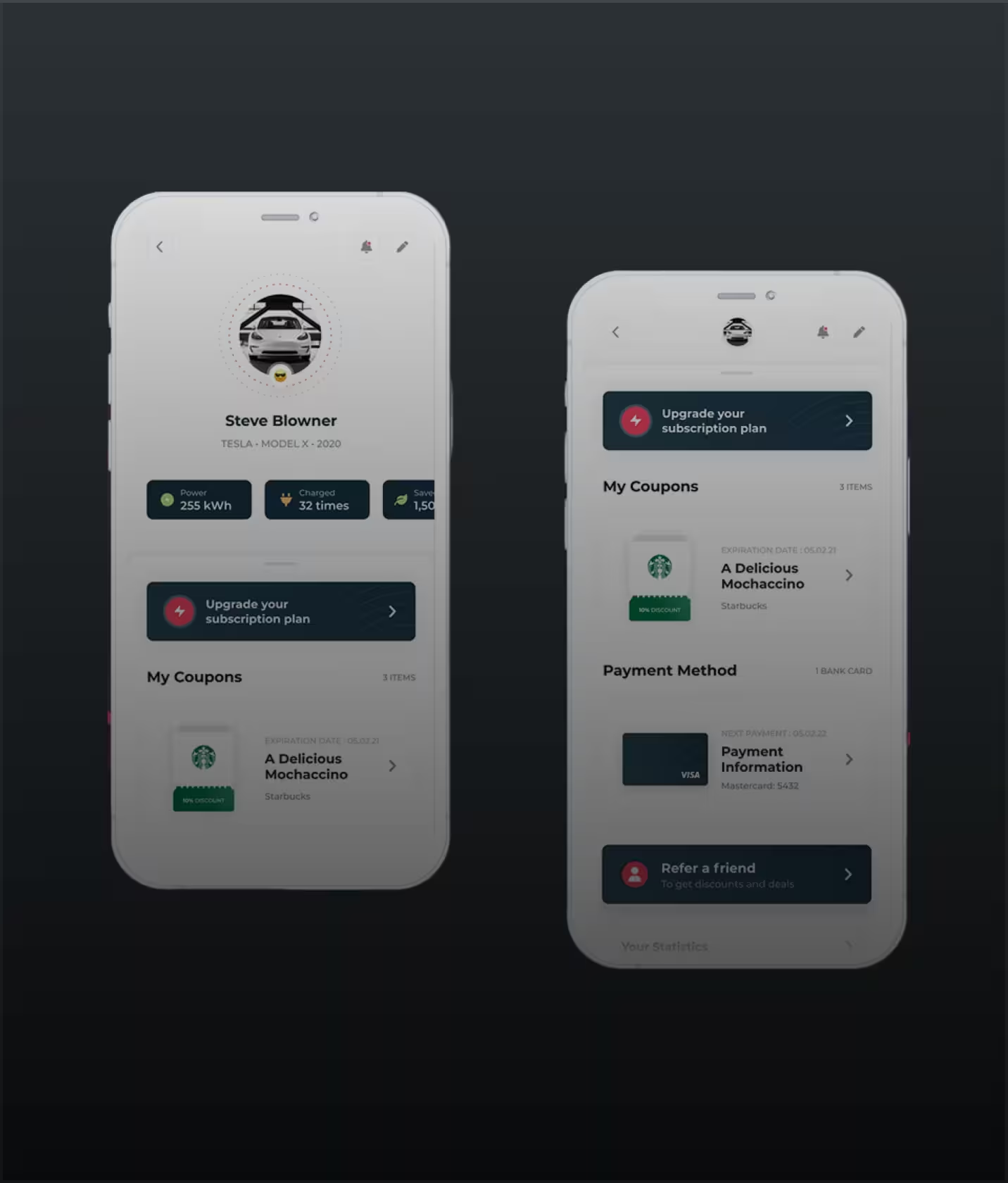

"Glow Design Agency provided UI and UX design services for e-cars charging market company. They were tasked with designing the UX and UI of the app's prototype."
Max Grollmann·Managing Director
View story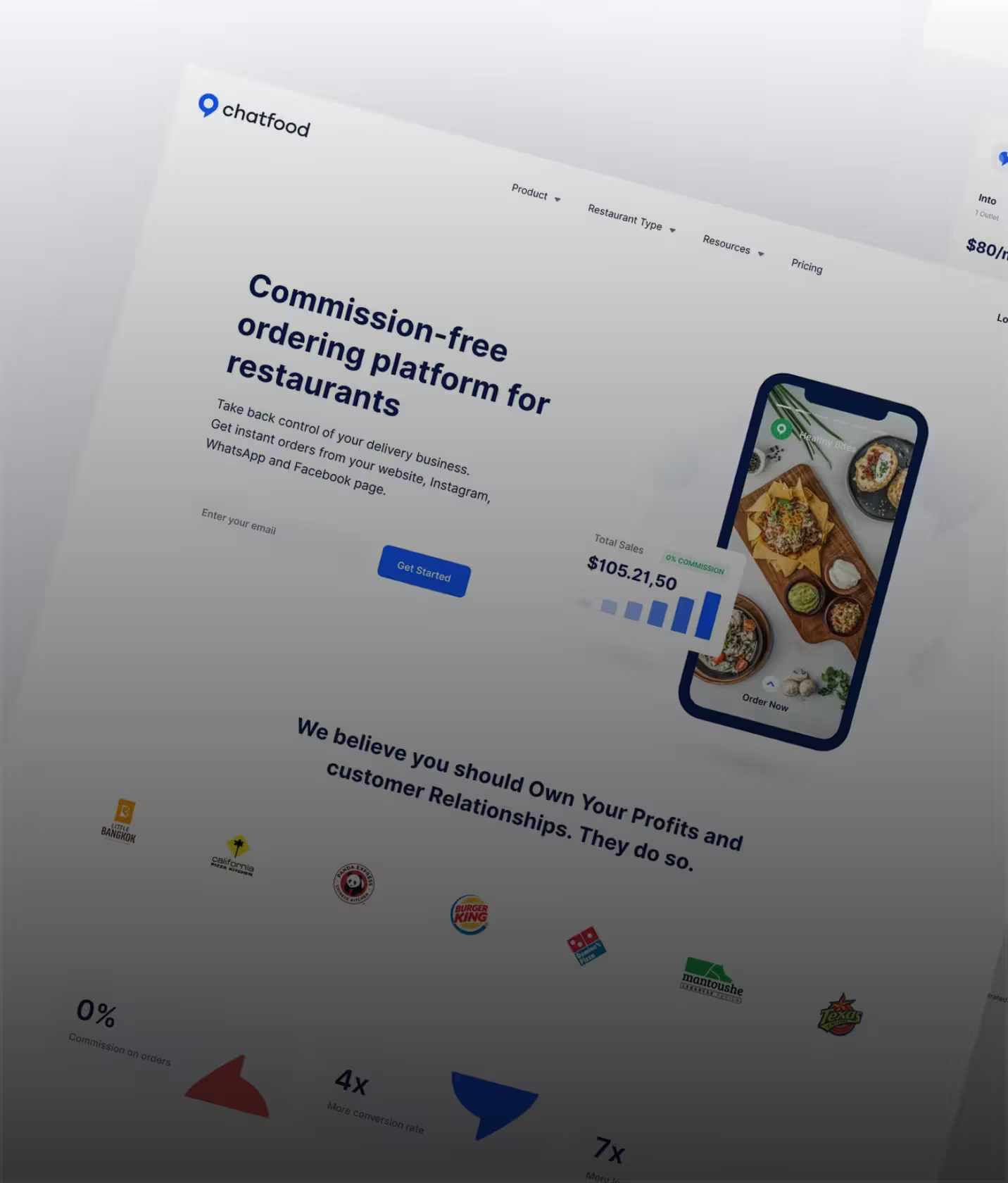

"Glow was hired by an e-commerce platform for their UI/UX design services. They redesigned website and provided support. After the new website was launched, the client saw a significant increase in conversions."
Vinicius Rodrigues·CTO at E-Commerce Platform
From DeFi protocols to NFT platforms - our Web3 design expertise covers every type of decentralized product.
Decentralized finance interfaces - DEXs, lending protocols, yield aggregators, and staking platforms - designed to make complex financial operations feel clear and trustworthy.
Non-custodial and custodial wallet interfaces for web and mobile - from first wallet setup through advanced multi-chain asset management.
NFT minting, trading, and collection platforms designed to build trust at the moment of digital asset purchase - and make the ownership experience clear and satisfying.
Decentralized governance interfaces - proposal creation, voting flows, and treasury management - designed to make community governance accessible to token holders of every technical level.
B2B Web3 tools, developer platforms, and blockchain infrastructure products - designed for the technical users who build on top of decentralized protocols.
Want to audit your current dApp or Web3 product before redesigning?
Web3 design is the practice of designing user interfaces and experiences for decentralized products - blockchain applications, DeFi protocols, NFT platforms, crypto wallets, and DAOs. It requires understanding both standard UX principles and the specific constraints and conventions of decentralized systems: wallet connections, transaction signing, gas fees, smart contract interactions, and the trust dynamics of non-custodial products.
Web3 design is the practice of designing user interfaces and experiences for decentralized products - blockchain applications, DeFi protocols, NFT platforms, crypto wallets, and DAOs. It requires understanding both standard UX principles and the specific constraints and conventions of decentralized systems: wallet connections, transaction signing, gas fees, smart contract interactions, and the trust dynamics of non-custodial products.
Web3 products have specific UX challenges that do not exist in traditional software: users need to understand what they are signing before transactions execute, errors can be financially consequential, the underlying technology is often invisible and confusing, and the user base spans from crypto natives who want full control to mainstream users who need guidance. Designing for this range requires specific research and specific design patterns.
Web3 products have specific UX challenges that do not exist in traditional software: users need to understand what they are signing before transactions execute, errors can be financially consequential, the underlying technology is often invisible and confusing, and the user base spans from crypto natives who want full control to mainstream users who need guidance. Designing for this range requires specific research and specific design patterns.
Yes - and early is the best time to involve design. We regularly work with Web3 teams who have a smart contract under development but no product UI. We help define the user flows, design the interfaces, and validate with real users before engineering begins building the front end.
Yes - and early is the best time to involve design. We regularly work with Web3 teams who have a smart contract under development but no product UI. We help define the user flows, design the interfaces, and validate with real users before engineering begins building the front end.
We design for products built on any blockchain - Ethereum, Solana, Base, Polygon, or others. The UX patterns for wallet connection, transaction confirmation, and error handling have similarities across chains, but each has specific conventions we design around.
We design for products built on any blockchain - Ethereum, Solana, Base, Polygon, or others. The UX patterns for wallet connection, transaction confirmation, and error handling have similarities across chains, but each has specific conventions we design around.
We research and design for both explicitly. We identify the tasks that need to work for new users - onboarding, first transaction, understanding what they own - and the tasks that need to work for power users - advanced settings, multi-chain operations, position management. Progressive disclosure lets us serve both without compromising either.
We research and design for both explicitly. We identify the tasks that need to work for new users - onboarding, first transaction, understanding what they own - and the tasks that need to work for power users - advanced settings, multi-chain operations, position management. Progressive disclosure lets us serve both without compromising either.
High-fidelity Figma files covering all screens and Web3-specific states (connecting, pending, failed transaction, gas estimation, etc.), a component library with Web3 UI patterns, developer specs, research findings, and a usability test report from testing with real users.
High-fidelity Figma files covering all screens and Web3-specific states (connecting, pending, failed transaction, gas estimation, etc.), a component library with Web3 UI patterns, developer specs, research findings, and a usability test report from testing with real users.





We use cookies to see how the site is used and to measure our ads. You choose. Privacy Policy