Only power users can operate the platform
When it takes training to run a campaign and SQL to build a segment, junior marketers wait for ops, personalization goes unused and the tool becomes the bottleneck.
Marketing software is used by some of the most data-driven, results-oriented professionals in any company. When the tools do not keep up, marketers build their own workarounds - and the product you built becomes part of a patchwork instead of the center of the workflow.


$1 billion+
Marketing technology products accumulate features faster than any other software category. Every new channel, new data source, and new automation capability adds to an interface that was already complex. The result is marketing platforms that only power users can navigate, campaign builders that require training to operate, and analytics tools that take an analyst to interpret. Marketing software designed for the full marketing team - not just the most technical member - wins adoption, retention, and expansion.
Designed for the full marketing team, not just the marketing operations specialist
Campaign workflows that match how marketers actually plan and execute - not how software vendors think they do
Multi-channel marketing interfaces that maintain clarity as complexity grows
Analytics and attribution displays that non-analysts can interpret and act on
Marketing software UX problems show up in adoption rates, the number of people who actually use the tool, and the amount of time spent on tools versus on marketing work.
When it takes training to run a campaign and SQL to build a segment, junior marketers wait for ops, personalization goes unused and the tool becomes the bottleneck.
If building a campaign takes longer in the platform than manually, marketers do it manually. Integration complexity on the screen creates as much work as it removes.
Attribution that needs an analyst does not help a CMO decide. Channels shown as separate silos add to the fragmentation the product was supposed to solve.
Real marketing platforms, real adoption improvements.
From campaign builders to attribution platforms - design that makes marketing software work for the full marketing team.
Workflow observation and campaign shadowing show how your marketers plan, measure and collaborate, and where tools force workarounds.
Builders and automations organized by audience, message, channel, timing and goal, so a campaign takes minutes, not training.
Attribution and channel dashboards a CMO, demand gen lead or brand manager can read and act on without an analyst.
Visual segment builders so any marketer builds precise audiences without SQL, and personalization becomes the default.
Email, paid, social and organic in one campaign view, with each channel’s detail a click away instead of in another tool.
One documented library for campaign builders, audiences, charts, statuses and integration states across your product.
PULSE · BUILDER TEST · 12 MARKETERS
Campaign builderguessing how marketers planwatching them plan
PULSE · CAMPAIGN · Q4 WEBINAR
Campaign buildersix engine settings firstaudience, message, goal
PULSE · PIPELINE · Q3
Attributiona request to the analysteach channel’s share, right here
PULSE · AUDIENCE · WEBINAR
SELECT * FROM contacts WHERE plan = 'pro' AND opened_30d = 1 AND customer = 012,400 Pro users who opened an email in MayAnd are not customers yetNo SQLUpdates dailySynced to adsPinUseSegmenta query for marketing opspeople, in plain words
PULSE · iOS · Q4 WEBINAR
All channelsone tab per channelevery channel in one view
PULSE DESIGN SYSTEM · STATUS
No shared ruleEach screen says “live” its own way<CampaignStatus state="live" since="Mon 9:00" />One word · since when · the same everywhere · never a codeCampaign statusevery team writes it its own wayone component, one rule
We understand the pace of marketing software development. We move with you. A marketing product design engagement takes 3 to 12 weeks. Products covering multiple channels, user roles or complex automation capabilities sit at the long end.
Marketing product design requires understanding how marketing professionals actually work - which is very different from how software teams assume they work. We research with practitioners across campaign management, demand gen, content, and brand.
Marketing platforms need to work for marketing ops specialists who configure the system and demand gen managers who run campaigns and CMOs who review performance. We design for all three without building three different products.
Campaign builders that require users to think in system logic instead of marketing logic create friction. We design campaign interfaces that match how marketers think - audience, message, channel, goal - not how the automation engine works.
Marketing analytics that only analysts can interpret is analytics that does not move the business. We design reporting interfaces for the actual decision-makers who need to act on the data - and make the analyst-level detail available without making it mandatory.
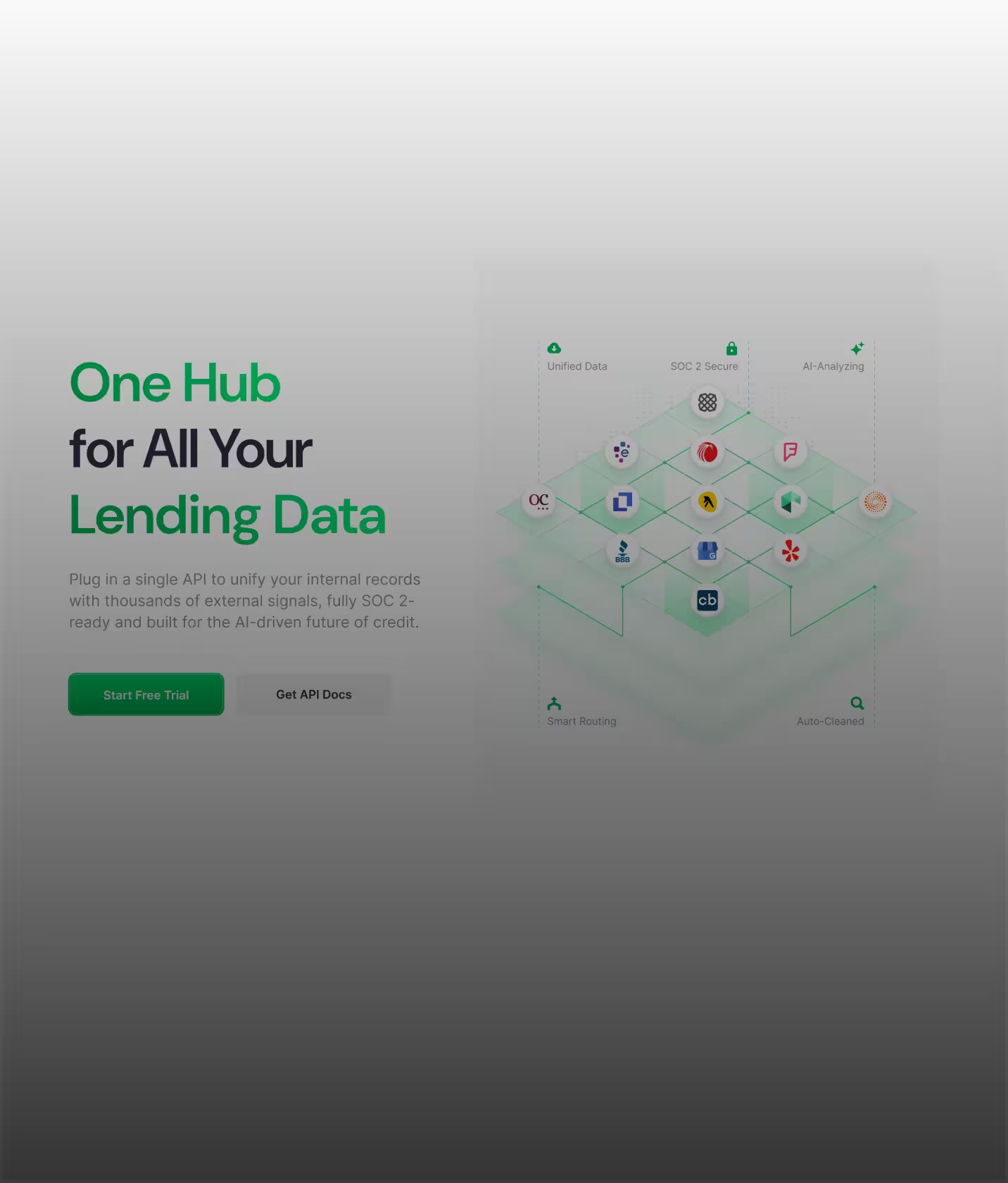

“I have been very impressed by Glow Design Agency’s attention to detail and their deep understanding of our brand.”
Beth Gunn·Head of Marketing, Lendflow·on Clutch
View Story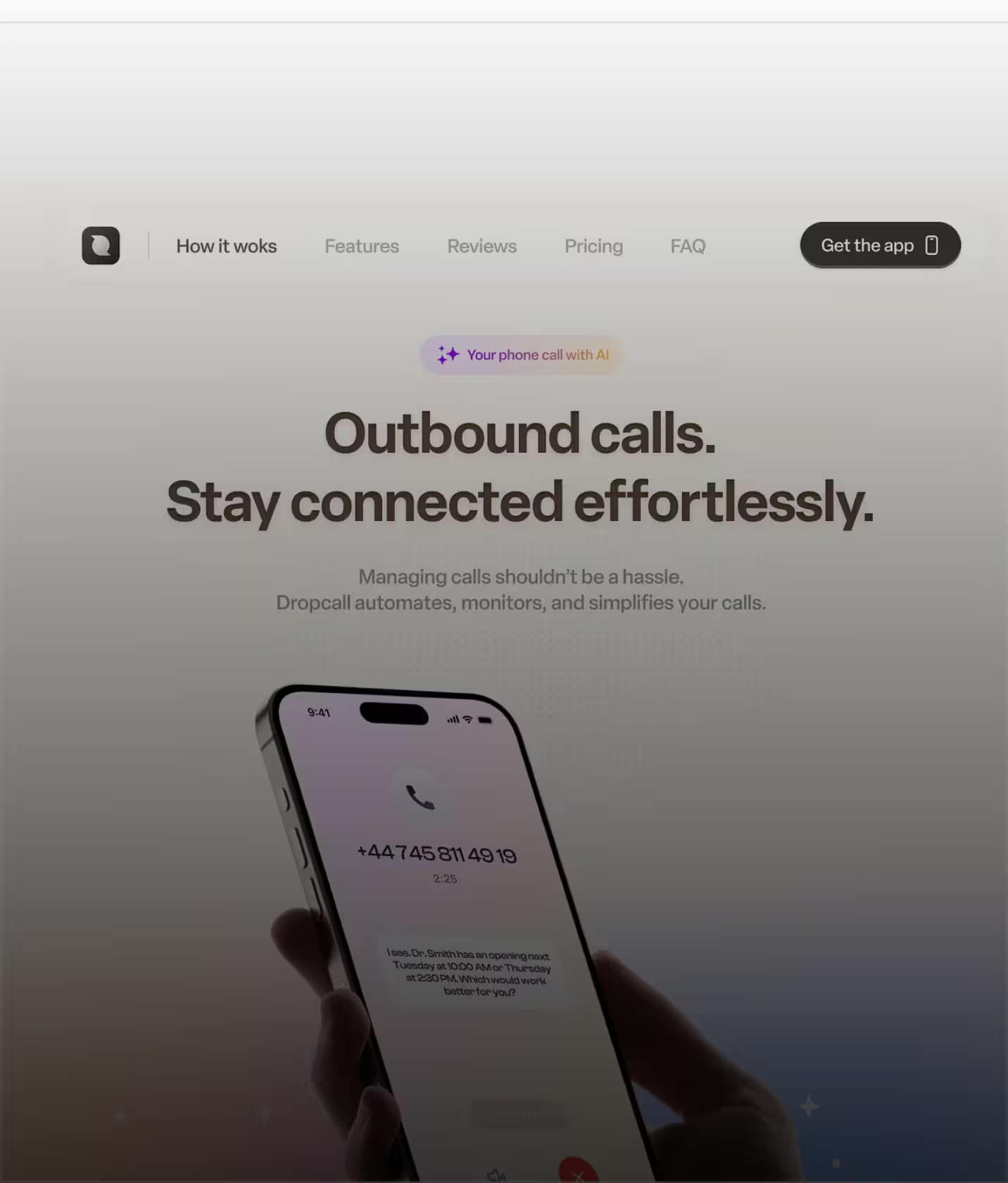

“They consistently delivered clean, modern, and user-friendly designs.”
Israel Benarousse·Founder & CEO, Dropcall·on Clutch
View Story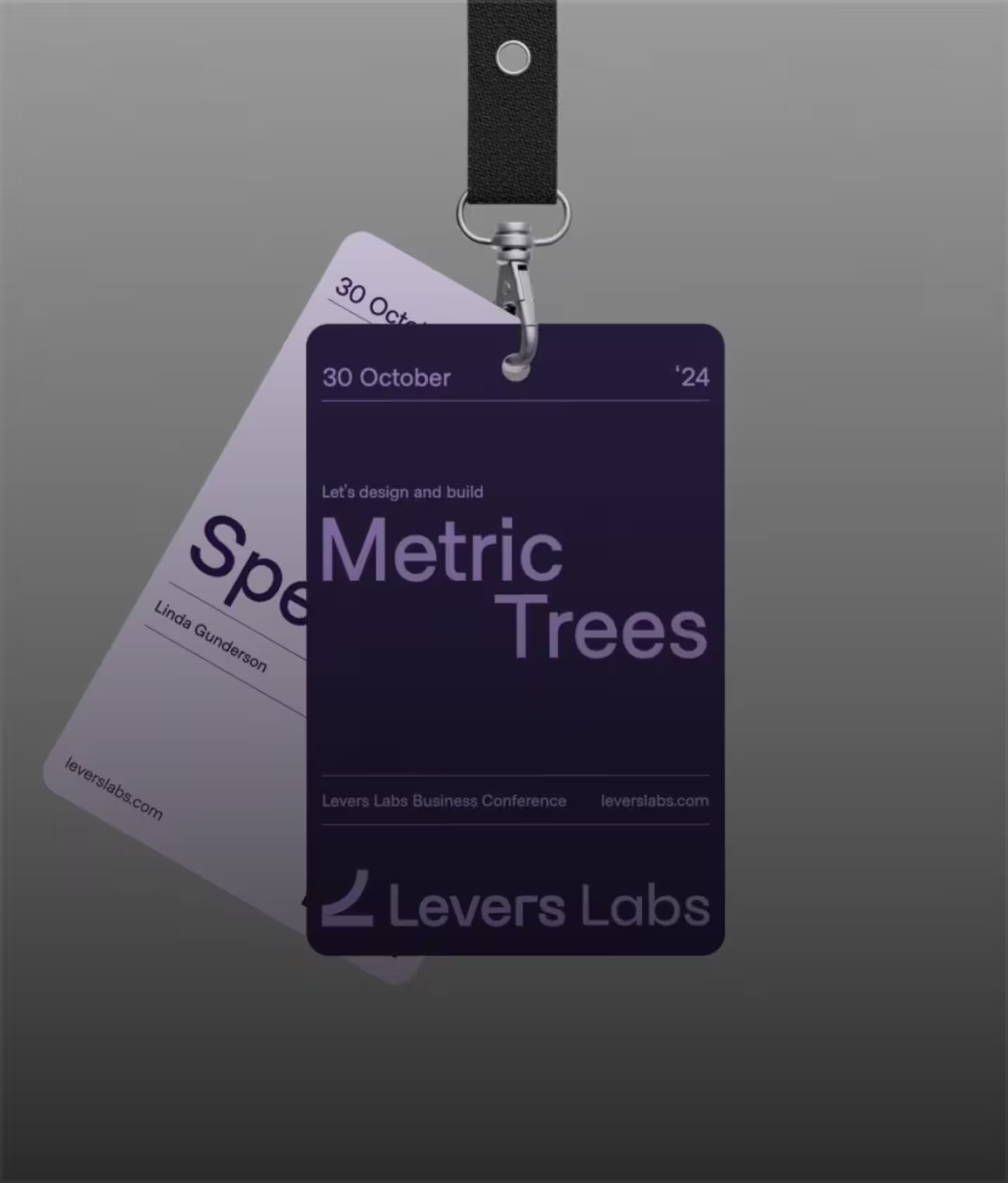

“They quickly developed a solid understanding of the many layers of our complex product.”
Doug Marinaro·CEO, Riptide·on Clutch
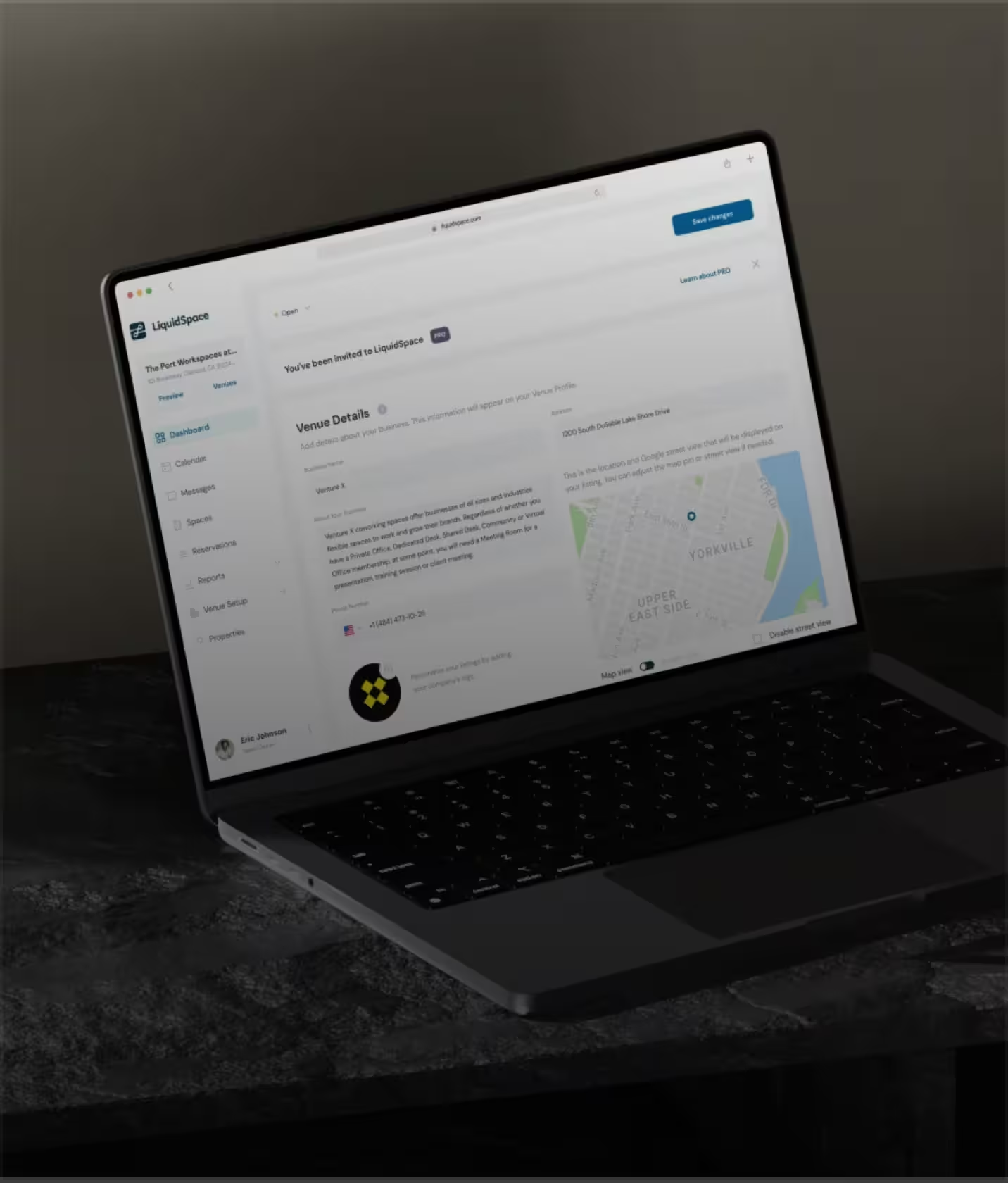

“I’m truly impressed by the organized and disciplined design process that they brought to our projects.”
Eric Zellhart·VP Product, LiquidSpace·on Clutch
View Story

“Their team’s ideas, design skills, experience, and state-of-the-art thinking were impressive.”
Managing Director·JUCR·on Clutch
View Story

“We were impressed by their product design experience, attention to detail, and problem-solving skills.”
Vinicius Rodrigues·CTO, E-Commerce Platform·on Clutch
From campaign automation to marketing analytics - our marketing product design work covers every type of MarTech.
Campaign creation, automation workflows, and multi-channel execution interfaces designed for marketing teams - not just marketing operations specialists.
Attribution platforms, campaign analytics tools, and marketing performance dashboards designed for the decision-makers who need to act on the data.
Audience segmentation, contact management, and behavioral targeting interfaces designed so every marketer can build precise audiences without technical support.
Content calendars, campaign management tools, and creative workflow platforms designed for the speed and collaboration demands of modern content marketing teams.
Paid media management, ad creative tools, and bidding platforms designed for the performance marketers who optimize campaigns across multiple ad platforms simultaneously.
Want to see why your marketing platform has low adoption?
It is the practice of designing software interfaces specifically for marketing professionals and marketing workflows. It requires understanding how marketing teams actually plan and execute campaigns, measure performance, and collaborate - and designing tools that match that reality instead of imposing a different workflow.
It is the practice of designing software interfaces specifically for marketing professionals and marketing workflows. It requires understanding how marketing teams actually plan and execute campaigns, measure performance, and collaborate - and designing tools that match that reality instead of imposing a different workflow.
A marketing product design engagement takes 3 to 12 weeks. One core workflow sits at the short end; a full marketing platform covering multiple channels, user roles and a complete design system at the long end.
A marketing product design engagement takes 3 to 12 weeks. One core workflow sits at the short end; a full marketing platform covering multiple channels, user roles and a complete design system at the long end.
Yes - and this is one of the most important design challenges in marketing software. We design role-appropriate views and progressive complexity that let marketing ops specialists access full functionality while giving demand gen managers and brand marketers the simplified paths they need to be productive.
Yes - and this is one of the most important design challenges in marketing software. We design role-appropriate views and progressive complexity that let marketing ops specialists access full functionality while giving demand gen managers and brand marketers the simplified paths they need to be productive.
We have designed products covering email, paid social, paid search, SEO, content, and account-based marketing. We understand the channel-specific workflows and data types that shape interface decisions for each.
We have designed products covering email, paid social, paid search, SEO, content, and account-based marketing. We understand the channel-specific workflows and data types that shape interface decisions for each.
We research the specific questions different marketing roles need to answer from their analytics, design visualizations appropriate for those questions, and use plain language throughout the interface. Power user access to raw data is available but never required for the common analytical tasks non-technical marketers perform daily.
We research the specific questions different marketing roles need to answer from their analytics, design visualizations appropriate for those questions, and use plain language throughout the interface. Power user access to raw data is available but never required for the common analytical tasks non-technical marketers perform daily.
Figma files covering all screens and marketing-specific states, a marketing component library with campaign builder components and analytics patterns, developer specs, research findings from marketer workflow studies, and usability test results from testing with marketers across experience levels.
Figma files covering all screens and marketing-specific states, a marketing component library with campaign builder components and analytics patterns, developer specs, research findings from marketer workflow studies, and usability test results from testing with marketers across experience levels.
Yes. Start with a free 3-day trial: one real screen from your product in 3 working days. No card, no contract.
Yes. Start with a free 3-day trial: one real screen from your product in 3 working days. No card, no contract.





We use cookies to see how the site is used and to measure our ads. You choose. Privacy Policy