Web Design Agency Pricing in 2026: What a Website Really Costs


AI Summary. What’s included?
This guide explains what web design agencies charge and why prices vary so widely. It covers the main pricing models, including fixed project price, hourly rate, time and materials, monthly retainer, design subscription and value-based pricing, then compares hourly rates by region, freelancers with studios and agencies, and agencies with in-house designers. The guide also covers what drives the price up, how AI tools affect pricing, cost by project phase, ongoing costs after launch, budgets by startup stage and how to read a proposal.
Web design agency pricing in 2026: what sites cost by type, hourly rates by region, pricing models, ongoing costs and what to budget at each startup stage.
Web design agency pricing ranges from a few thousand dollars for a simple site to well over $100,000 for a large custom build. According to Clutch's web design pricing guide, which is based on verified client reviews, the average web design project costs about $38,000, most projects come in under $10,000, and US agencies typically charge $100 to $149 an hour.
That spread is the problem with "average" prices. A five-page site and a 60-template marketing site with integrations are both "a website". This guide breaks down what drives the number, how agencies charge, and what to budget for your situation. We're an agency ourselves, so where it helps we show our own pricing as one reference point.
How much does a web design agency charge?
The clearest way to compare is by type of site. The ranges below come from Dribbble's agency pricing guide; the timelines are typical for a professional agency.
Template-based sites from freelancers or website builders can cost far less, often a few hundred to a few thousand dollars. That's why Clutch sees most projects under $10,000 even though its average sits near $38,000: a small number of large builds pull the average up.
Web design agency pricing models
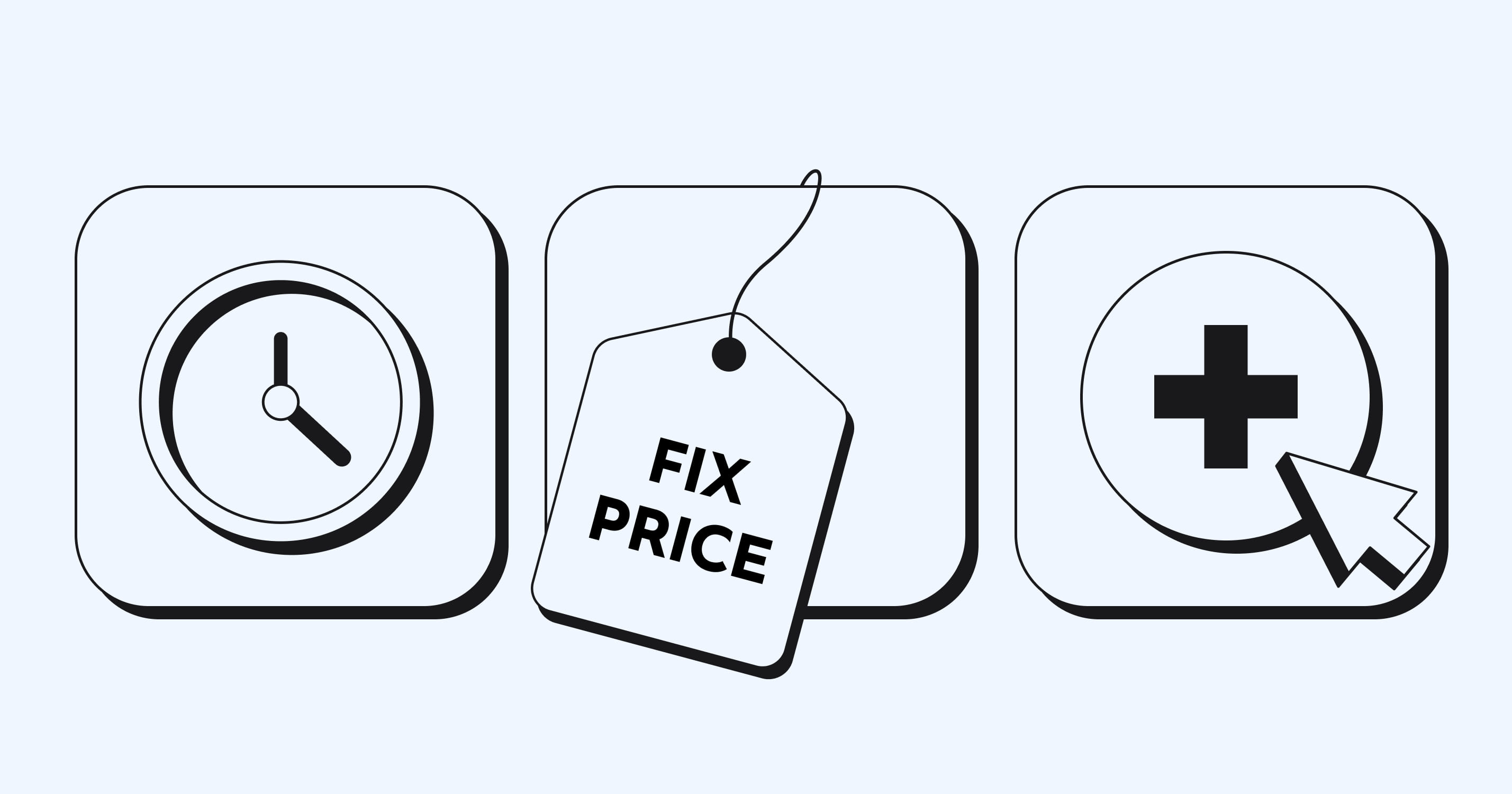
The pricing model affects your risk as much as the total. Here's how the common ones compare.
Fixed project price
Most agencies quote websites this way. You agree on scope (pages, templates, features, rounds of revisions), and the agency commits to a price and timeline. It's predictable, which is why founders and finance teams like it. The catch is in the scope document: anything not written down will be a change request. A good fixed quote lists templates, not just "pages", because ten blog posts on one template cost far less than ten unique pages.
Hourly rate
Hourly billing suits small jobs, such as fixing a template or adding a section, where scoping would cost more than the work. For a full website it shifts all the risk to you. If you do go hourly, ask for an estimate in hours and a cap that requires your approval to exceed.
Time and materials
A hybrid: the agency estimates the effort, then bills against actual hours, usually with regular budget reports. It works for bigger projects where you expect to learn and adjust along the way, such as a redesign that starts with research. It needs a client who reads the reports.
Monthly retainer
You pay a fixed monthly fee for a dedicated team or a block of capacity. It's the most common model for ongoing work: landing pages for each campaign, product UI, steady site improvements. At Glow, our design retainer is $12,000 a month, which suits startups that need design every week rather than one website every two years.
Design subscription
Subscription services charge a flat monthly fee and work through a queue of requests. ManyPixels lists plans in the range of roughly $700 to $2,600 a month. They're good value for ads, social graphics and small page updates, but a full website needs strategy, structure and one accountable team, which a request queue rarely provides.
Value-based pricing
Some agencies price on the expected business result, such as a site meant to support a funding round or a major launch. It can be fair when the stakes are high, but it makes quotes hard to compare. Ask what's included in hours and deliverables so you can sanity-check the number.
Agency hourly rates by region
Location still has a big effect on rates. Clutch's data on average agency hourly rates:
Lower rates don't automatically mean lower total cost. A senior team at $60 an hour can be cheaper than a junior team at $35 if it needs half the hours and fewer revision rounds. Many US startups work with teams in Eastern Europe for exactly this balance of rate and seniority, while keeping time-zone overlap for calls.
Freelancer vs small studio vs established agency

Dribbble's guide puts freelancers at roughly $2,000 to $8,000 for a small site ($50 to $150 an hour), small agencies at $10,000 to $35,000, and established agencies at $40,000 to $100,000 or more.
A freelancer is the right call for a simple site with clear content, where you can manage the project yourself. A small studio adds a team (strategy, design, copy, development) and more reliability if someone is sick or busy. An established agency brings process, research and capacity for complex projects and large organizations, and charges for the overhead that comes with it.
The question that decides it is usually how much of the thinking you want done for you. If you already know your positioning, sitemap and messaging, you need hands. If you don't, you need a team that can work those out, and that's most of what a higher price buys.
Agency vs in-house designer
Some founders compare an agency quote with the cost of hiring a designer. The comparison is less direct than it looks. One in-house designer gives you steady capacity and deep product context, but they rarely cover strategy, copy, illustration, development and SEO alone, and you pay salary, benefits and recruiting time before any work starts.
An agency costs more per hour and less per outcome for a defined project like a website. It brings a full team for a few months, then steps back. The common pattern for startups is agency first, for the site and the initial design system, then an in-house hire once there's enough ongoing work to keep a designer busy, sometimes with a retainer bridging the gap.
What drives the price up
Number of templates. Agencies price by unique page designs, not total page count. A site with a home page, product page, pricing page, blog template and case study template has five templates, whether it publishes 10 pages or 200.
Custom design vs a theme. A purchased theme adapted to your brand costs a fraction of a custom design. Custom work pays off when the site has to explain a complex product or stand out in a crowded category.
Copywriting and content. Often the most underestimated cost. If the agency writes the copy, expect it to add a meaningful share to the budget and time to the schedule. If you write it, delays in your content become delays in launch.
Research and strategy. Interviews, competitor analysis and positioning work add cost upfront and usually save money later, because the site doesn't need a redesign six months after launch.
Platform. Webflow and Framer let marketing teams edit pages without developers, which suits most startups. WordPress has the biggest ecosystem. Custom code makes sense when the site is closely tied to the product. The platform changes both the build cost and who can maintain it.
Integrations and features. CRM forms, product data, multiple languages, gated content, calculators and interactive demos each add design and development time.
Timeline. A rushed deadline means more people working in parallel, and agencies price that in.
How AI tools are changing web design pricing
AI has changed the low end of the market more than the high end. Website builders now generate a draft site from a prompt, and design and coding assistants speed up production work like resizing layouts, writing first-draft copy and building standard components. For simple sites, that pushes prices down, and some small businesses now skip the designer entirely.
For custom work, the effect is different. Agencies spend less time on repetitive production and more on the parts AI can't settle for you: what the company should say, to whom, and in what order. So the share of the budget that goes to strategy, messaging and design decisions grows, while production takes less of it. If an agency quote hasn't changed at all from what you'd have seen a few years ago, it's fair to ask how they use these tools and where the time goes.
Where the money goes: cost by project phase

Dribbble estimates how a typical agency budget splits across phases: discovery takes about 10 to 15 percent, UX and wireframes 15 to 20 percent, visual design 20 to 25 percent, development 30 to 40 percent, and QA and launch 5 to 10 percent.
This is useful when comparing proposals. If one agency's quote is much cheaper, check which phase is missing. Usually it's discovery and wireframes, which is the part that decides whether the site works.
Ongoing costs after launch
The build is only part of the cost. A common rule of thumb, cited in Dribbble's guide, is to budget 10 to 20 percent of the build cost per year for maintenance and updates. On top of that come the platform or hosting plan, a domain, any paid plugins or integrations, and the cost of new pages and campaigns.
For a startup, the bigger ongoing cost is usually change, not maintenance. Positioning shifts after a funding round, new features need new pages, and paid campaigns need landing pages. That's why many teams move to a retainer after launch rather than starting a new project each time.
What to budget at each startup stage

Pre-seed. You need one clear page that explains what you do and collects sign-ups or demo requests. A focused landing page from an agency typically costs $5,000 to $10,000 and takes two to three weeks; our landing page design projects run on that timeline. A template is fine at this stage if the copy is sharp.
Seed. Now the site has to support sales and hiring: product pages, pricing, customers, careers, blog. A marketing site with 8 to 15 templates on Webflow or Framer usually sits in the $15,000 to $35,000 range and takes six to ten weeks.
Series A and beyond. Expect a redesign or rebrand as the company moves upmarket, plus a steady flow of new pages. Budgets grow, and the work often splits into a project (the new site) and a retainer (everything after). For larger companies, our enterprise engagements start at $20,000 a month.
Whatever the stage, the cheapest way to get an accurate quote is a clear brief. Our guide to writing a web design brief covers what to include, and it lets you compare agencies on the same scope.
How to read an agency proposal
Before signing, make sure the proposal answers these questions: How many templates are included, and which ones? Who writes the copy? How many revision rounds are there per phase? Which platform will the site be built on, and who owns the accounts? What does post-launch support include, and for how long? What happens, and what does it cost, if the scope changes?
Red flags are a price given before any questions about your business, a scope described only as "a 10-page website", no mention of discovery or wireframes, and vague ownership of the domain, code or design files. A very low quote isn't a red flag by itself, but it should explain what's been left out.
For reference, Glow quotes web design projects by scope after a discovery call, with 30 days of post-launch monitoring included, and offers a free 3-day trial so you can see how the team works before committing.
Web design agency pricing makes sense once you compare like with like: the same templates, the same content responsibilities and the same phases. Get that right in the brief and the quotes become much easier to judge.
Frequently asked questions
How much should I pay someone to design a website?
It depends on who and what. Freelancers often charge $2,000 to $8,000 for a small site, small agencies $10,000 to $35,000 for a custom marketing site, and established agencies $40,000 or more. Clutch reports an average web design project cost of about $38,000, with most projects under $10,000.
How much should a full website design cost?
For a custom marketing website from an agency, $10,000 to $35,000 is a common range. Ecommerce sites usually start around $20,000, and web apps or platforms often exceed $50,000. Template-based sites cost much less.
Is $1,500 a good price for a website?
For a simple template-based site from a freelancer, $1,500 can be reasonable. It's not enough for custom design, copywriting and strategy from an agency. At that budget, expect a theme adapted to your brand and content you provide.
Is web design still worth it in 2026?
Yes, for businesses whose site has to explain something complex, build trust or convert visitors into leads. Website builders and AI tools handle simple sites well, so professional design is worth the cost mainly where positioning, clarity and conversion matter.
Can ChatGPT create a website?
AI tools can generate code, copy drafts and simple page layouts, and builders now include AI site generators. They're useful for prototypes and simple pages. They don't replace the strategy, positioning and design decisions that make a site work for a specific business and audience.
----- END DOC CONTENT -----



Related Articles Prompted by Glow














Get weekly glow prompts—
insights from the frontline of product design
Check your inbox for future updates.

No spam.
Just sharp insights that make you better at design & AI.
Want results like this? Book a call
Let's talk through your product in 20 minutes — no briefs, no fluff. Just a real conversation.